

UNESCO recognizes Vietnam's Đắk Nông Geopark as a global geopark
The Đắk Nông Geopark, in Vietnam's Central Highlands, was established in 2015 and covers more than 4,700 km2 — over two-fifths of the natural area of the former Đắk Nông province (now part of Lâm Đồng province) — stretching across 6 of the province's 8 former districts and towns. The park is home to 65 geological and geomorphological heritage sites, including a system of nearly 50 caves with a combined length of more than 10,000 meters, as well as volcanic craters, waterfalls and more.
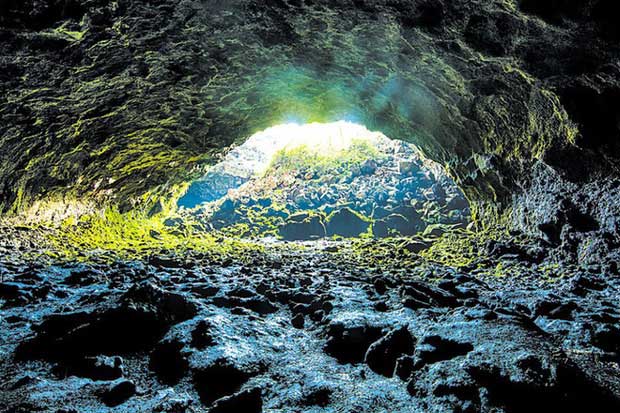
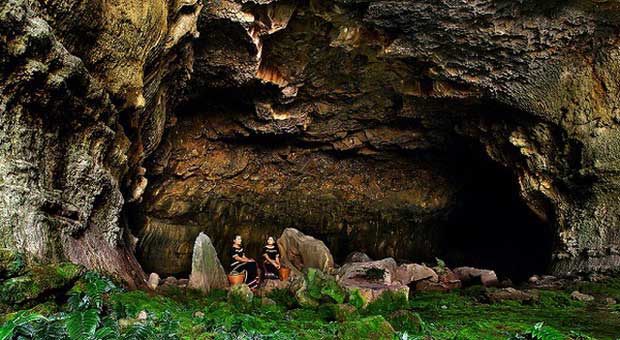
The Đắk Nông Geopark.
Beyond that, the Đắk Nông Geopark is known as a fertile red-soil region with tropical forest ecosystems. It harbors many distinctive biodiversity values and unique cultural, geological and natural features — notably traces of prehistoric human activity. Tourism has long flourished here, drawing visitors with its majestic, sweeping natural scenery.
In 2020, the park received good news — both for the Đắk Nông Geopark itself and for Vietnamese tourism as a whole: it has been recognized as a global geopark.
Specifically, on July 7, 2020, the Programme and External Relations Commission of the Executive Board of the United Nations Educational, Scientific and Cultural Organization (UNESCO) approved the decision of the UNESCO Global Geoparks Council to recognize Vietnam's Đắk Nông Geopark as a UNESCO Global Geopark. With this decision, the Đắk Nông Geopark became the third site in Vietnam to receive global geopark status, after the Đồng Văn Karst Plateau Global Geopark (in the former Hà Giang province, now part of Tuyên Quang) and the Non Nước Cao Bằng Global Geopark (Cao Bằng province).
