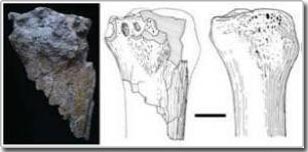
Ancient Roman sewer uncovered at Herculaneum reveals clues to daily life
An ancient sewer system and several skeletons recently uncovered by archaeologists in the city of Herculaneum, Italy, are shedding light on the diet and daily life of Romans who lived 2,000 years ago.
The ancient sewer stretches 86 m. Beneath the drain lay many pieces of pottery, including oil lamps (the Romans' lighting devices), along with 60 coins, a necklace and a gemstone ring worn as jewelry. The archaeologists also recovered 750 sacks of material made of a very durable substance.
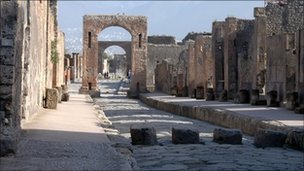
The Roman sewer system as a whole
After analyzing skulls found beneath the sewer system, the scientists concluded that Romans of this period had fairly high white blood cell counts. Infections were likely common and posed a frequent threat to their lives. The experts also say the Romans relied mainly on green vegetables for their diet.
Archaeologists, working together with geologists, analyzed the sewer system and explained how it came to be built.
The Pompeii area and the city of Herculaneum were engulfed by volcanic material in A.D. 79, when the eruptions of Mount Vesuvius buried the region's inhabitants.

Skulls and other objects belonging to the Romans
Archaeologists are continuing to investigate these fascinating discoveries about the lives of the ancient Romans.