Vietnam's only museum not for the faint of heart
The Parasite Museum at the National Institute of Malariology, Parasitology and Entomology is the only place in Vietnam that displays hundreds of specimens of parasites that pose a threat to humans.
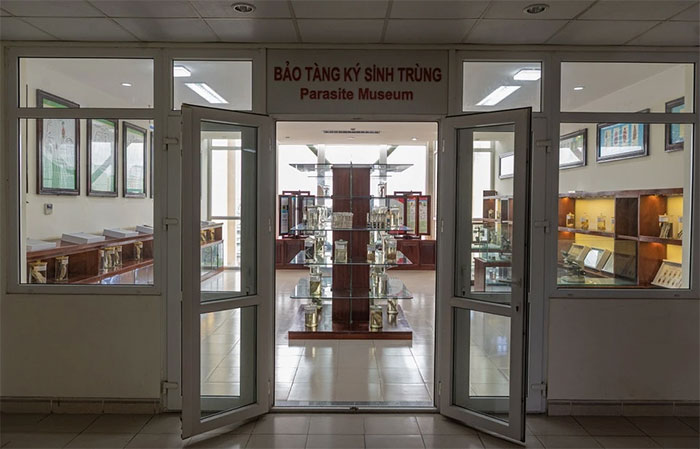
The Parasite Museum is located on the 9th floor of the main building of the National Institute of Malariology, Parasitology and Entomology (Viện Sốt rét - Ký sinh trùng - Côn trùng Trung ương) in Hanoi. It displays 345 specimens, including roundworms, hookworms, flukes and tapeworms, and intermediate hosts that transmit disease… all preserved in glass jars, tanks and dishes filled with formalin.
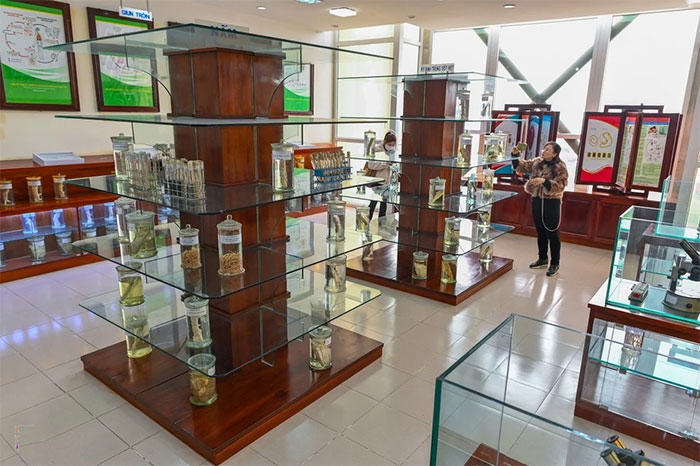
First conceived in 2010 and officially established in 2013, the museum showcases the diversity and life cycles of parasites that are dangerous to humans and animals.
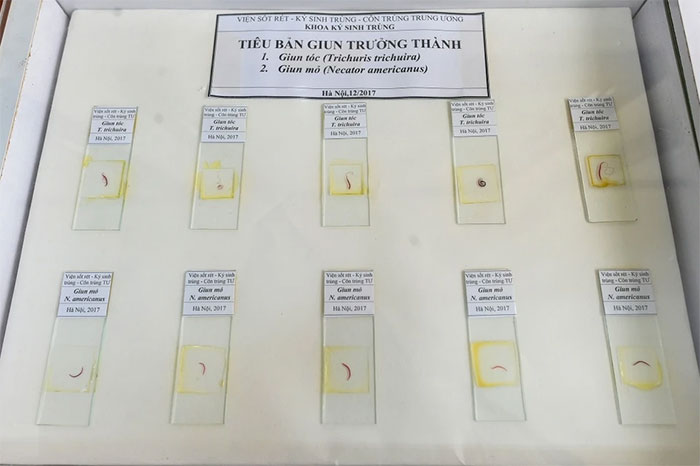
The exhibits are preserved under strict procedures: worms and flukes are stained with carmine and mounted in dry specimen boxes, while adult tapeworms are mounted on glass plates and preserved in formalin.
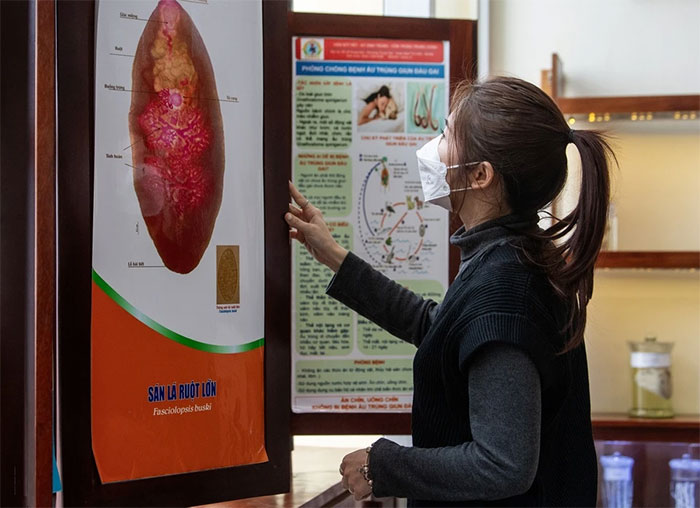
Alongside the specimens of parasites that affect humans, the museum also displays photographs showing the damage these parasites cause to the human body.
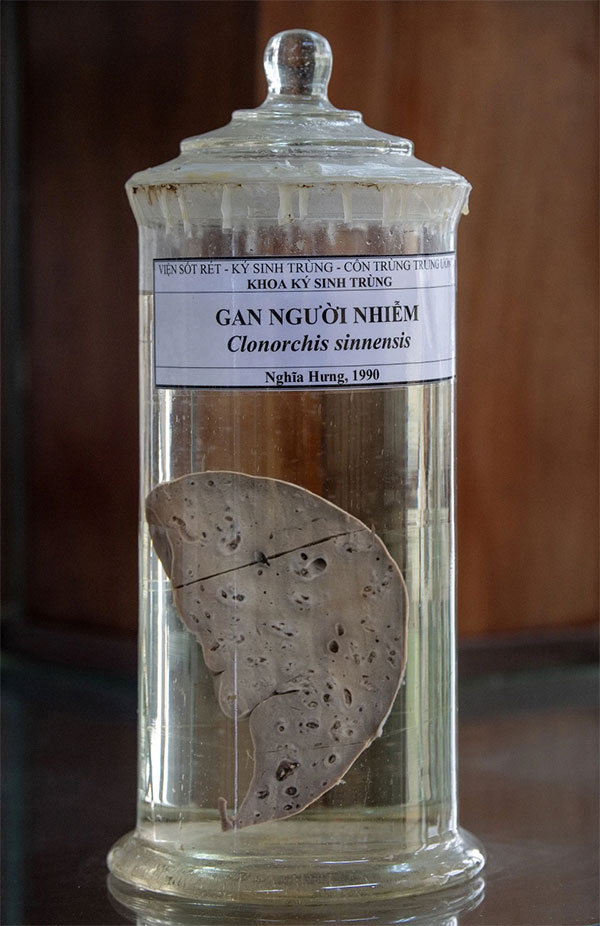
A fluke-infected human liver preserved in formalin on display at the museum. The specimen was collected in 1990 in Nghĩa Hưng district, in what was then Hà Nam Ninh province (later Nam Định province, now part of Ninh Bình province).
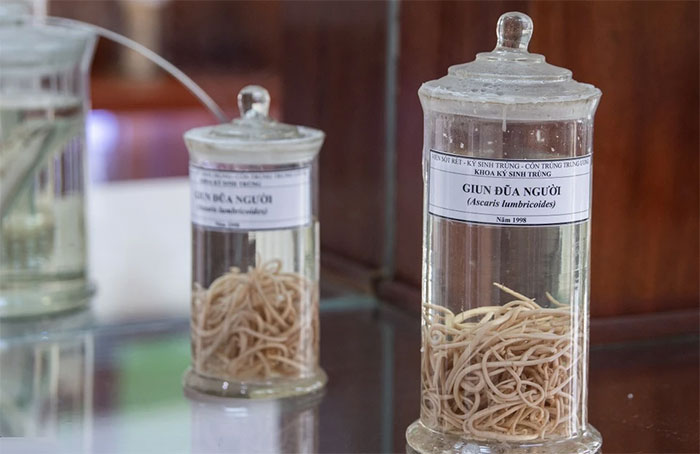
A tangled mass of hundreds of human roundworms, discovered and collected in 1998.
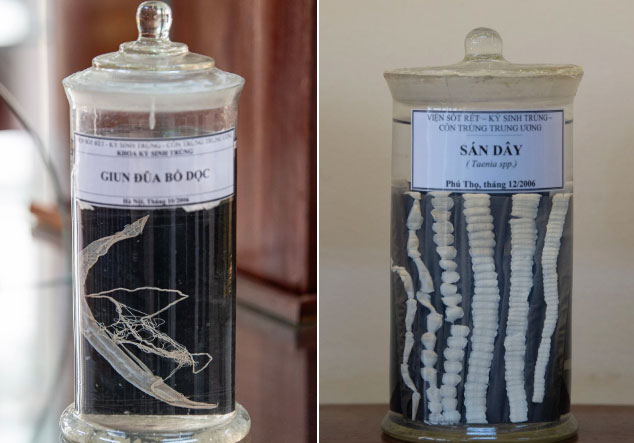
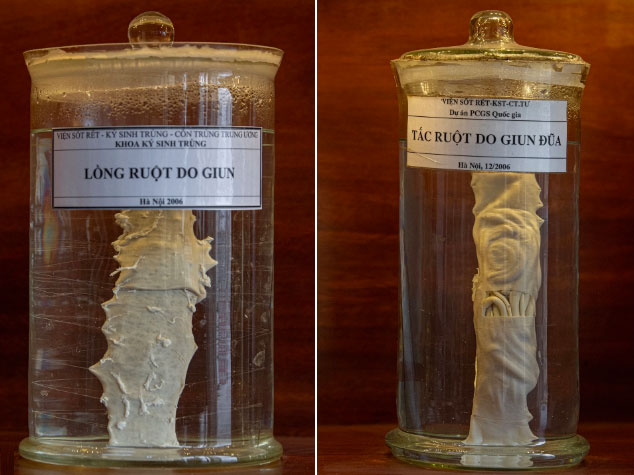
Specimens of roundworms and tapeworms, along with the harm they do to human health, have been collected and put on display at the museum.
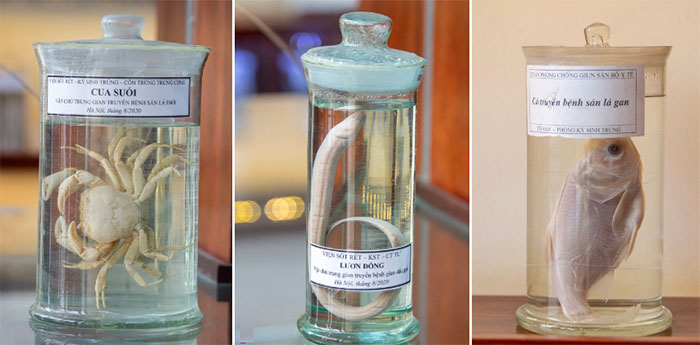
Specimens of intermediate hosts that pass worms and flukes on to humans, such as stream crabs, rice-field eels and fish, have also been collected, processed, preserved and displayed by the institute's experts.
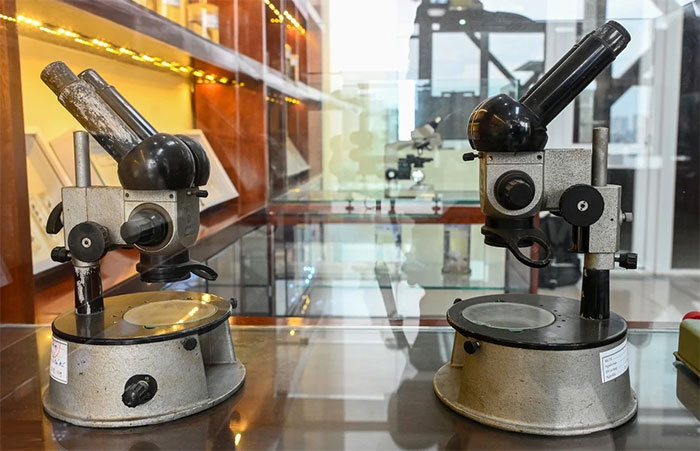
The museum holds a number of microscopes made in the Soviet Union that are decades old. Over the years, they have made a significant contribution to the research and training of thousands of doctors and medical staff at the National Institute of Malariology, Parasitology and Entomology.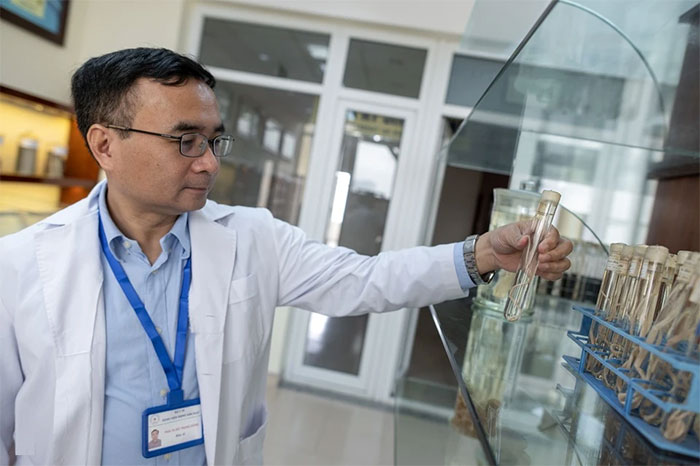
According to Associate Professor Dr. Đỗ Trung Dũng, head of the Department of Parasitology at the National Institute of Malariology, Parasitology and Entomology, the museum is not only a repository of specimens but also a trusted resource for the study and research of generations of medical students, PhD students, doctors and medical staff from Vietnam and abroad.
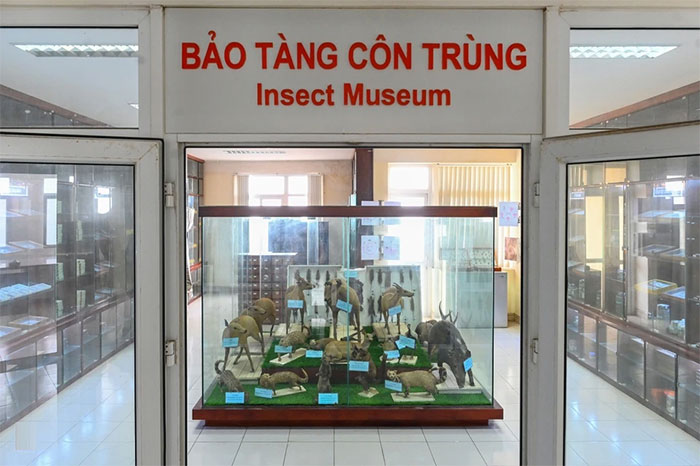
On the same 9th floor of the building is the Entomology Museum. It dates back to 1957, when the National Institute of Malariology, Parasitology and Entomology was first founded, and was then called the Specimen Storage and Preservation Room.
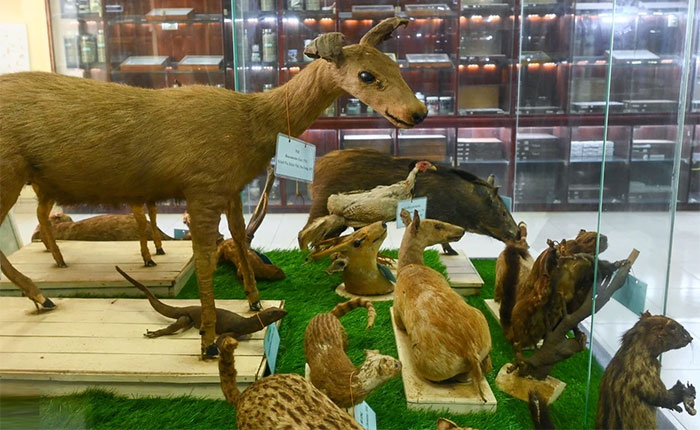
In 2003 it was upgraded and renamed the Entomology Museum. Thousands of specimens are stored and displayed there, including many reference specimens.
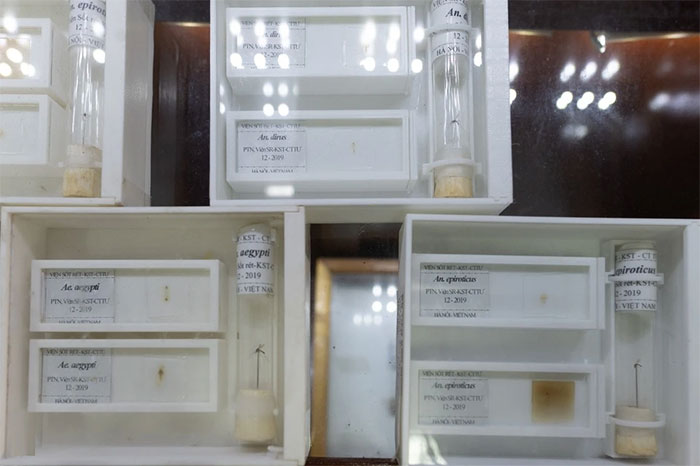
The Entomology Museum has supplied specimens and provided specimen comparisons for research in medical science, especially studies in systematics and taxonomy, and on the resources and biodiversity of medically important insects and ectoparasitic insects.
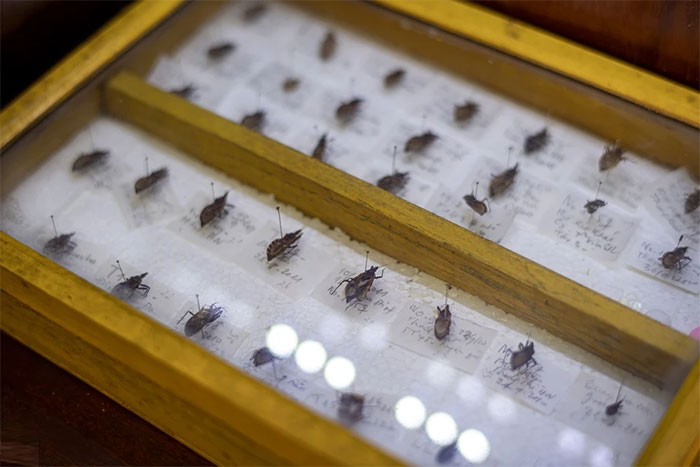
The host and insect specimens are divided into four main groups... Group 1: Hosts of ectoparasites – rats, deer, sambar, muntjacs… which host ectoparasitic insects. Group 2: Diptera (true flies): Anopheles mosquitoes (malaria vectors), Aedes mosquitoes (dengue vectors); Culex mosquitoes (Japanese encephalitis vectors). Group 3: Ectoparasites: fleas (plague); ticks (tick-borne fevers, rickettsial diseases); chiggers (scrub typhus); mites (rickettsial diseases). Group 4: Other species: flies, Paederus rove beetles, blood-sucking kissing bugs, Lepidoptera, Coleoptera, lice…
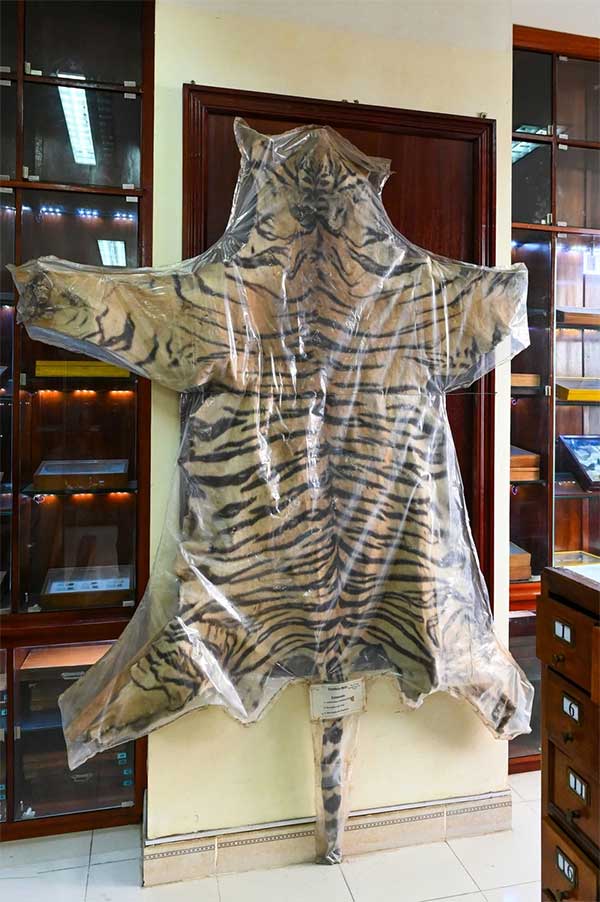
A very rare complete tiger skin on display at the museum. The specimen was collected on May 2, 1981, in Đồng Phú, Đồng Xoài, in what was then Sông Bé province (later Bình Phước province, now part of Đồng Nai province). Tigers are a strictly protected species: hunting, trading or consuming tigers or their parts is illegal in Vietnam.
According to Dr. Nguyễn Văn Dũng, head of the Department of Entomology at the National Institute of Malariology, Parasitology and Entomology: "In Vietnam, several institutions keep specimens for research and teaching, such as the National Institute of Veterinary Research, Hanoi Agricultural University No. 1 and a number of other universities. However, only the Entomology Museum at the National Institute of Malariology, Parasitology and Entomology has a museum dedicated to medically important arthropod specimens in such numbers and variety.".
The beauty of Vietnam's wild pheasants and junglefowl
From the red junglefowl to the rare Edwards's pheasant, Vietnam is home to a striking variety of birds in the pheasant family.
The "deadly" beauty of Vietnam's rainbow-colored snake
Despite its small size and alluring colors, the red-necked keelback is a dangerous snake with fairly potent venom.
Remarkable photos of colonial-era Vietnam
Fascinating images of colonial-era Vietnam from J. P. Dannaud’s 1962 book “L’Indochine Profonde” (Deep Indochina).
Rare photos of old Hanoi through the lens of a French photographer
Rare photos of Hanoi in 1890–1895 from an album by Raphaël Moreau, a French photographer based in colonial-era Hanoi.
The oldest known photographs of Hải Phòng
Photos of Hải Phòng from 1888, printed in an old French book, are believed to be the oldest known images of the northern Vietnamese port city.