Hanoi's trams: Memories of a bygone era in Vietnam's old capital
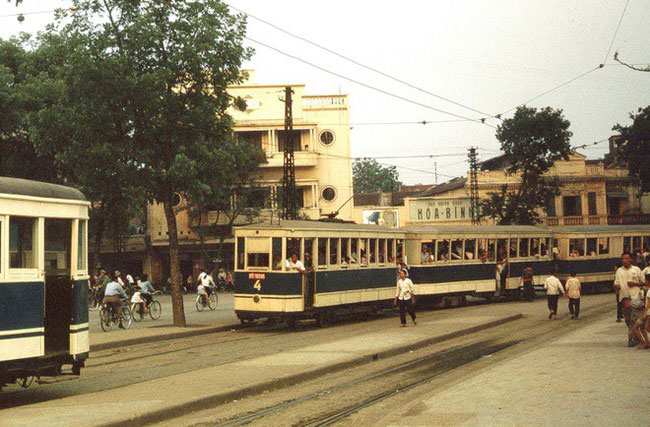
It has been decades since residents of Hanoi (Hà Nội), Vietnam's capital, last heard the clanging bells of trams rolling around the city center. The trams of yesteryear now live on as a fond memory for generations of Hanoians.
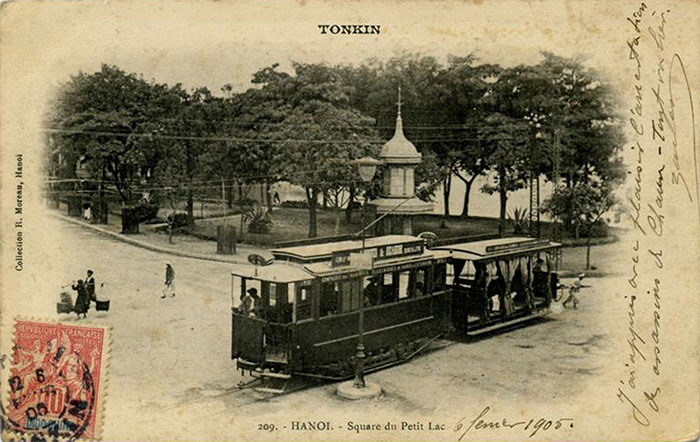
A CTEH company tram on Line 1 at the Place des Cocotiers stop.
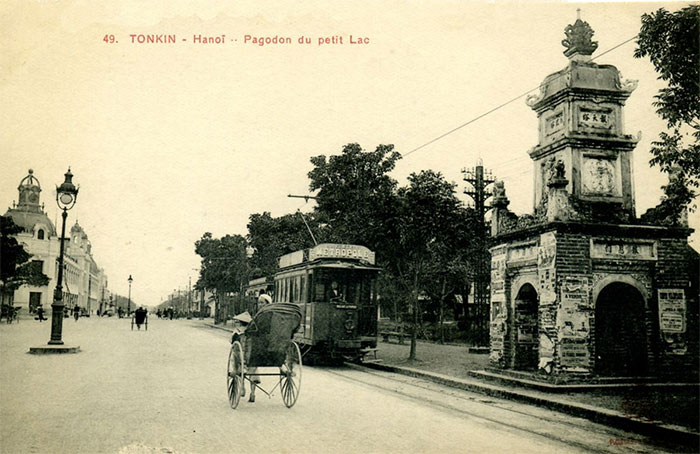
A CTEH tram on tramway Line 1 passing the Petit Lac, today's Hoàn Kiếm Lake in central Hanoi.
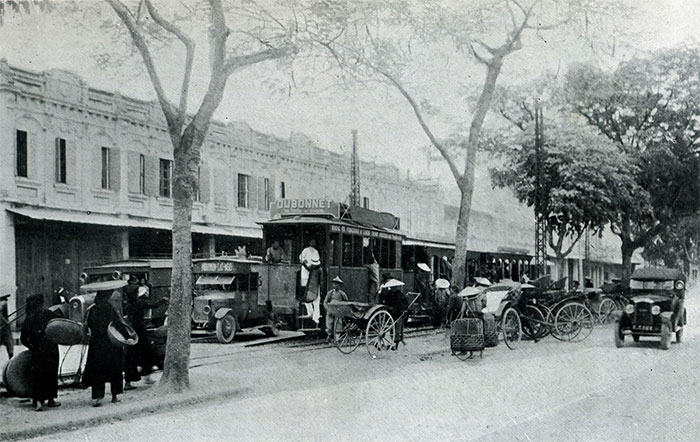
A CTEH tram on tramway Line 1 in Hà Đông, then a town southwest of Hanoi.
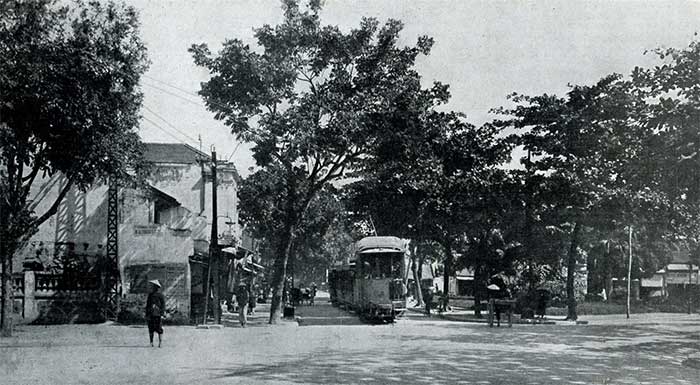
A CTEH tram on tramway Line 3 at Place Neyret.
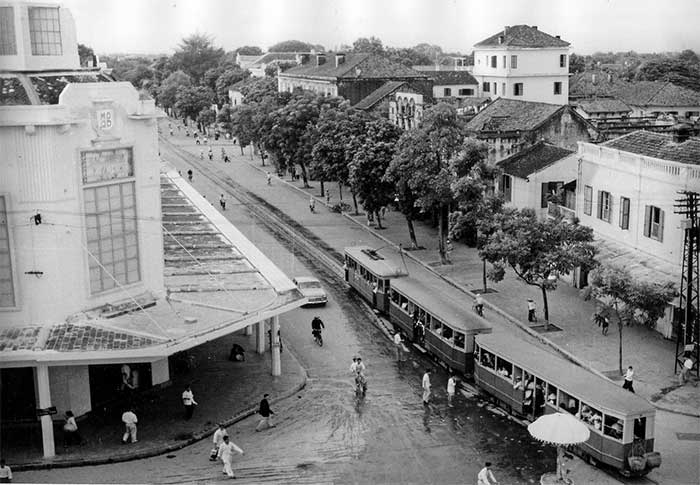
A Line 1 tram in Hanoi (built in 1929) heading south along Hàng Bài Street toward the Bạch Mai area in 1960.
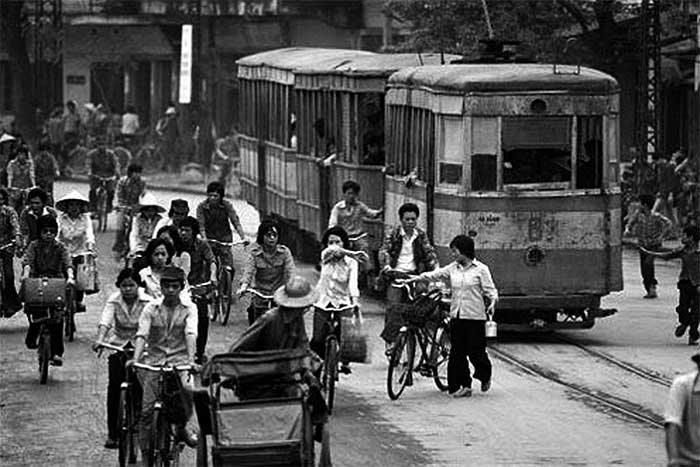
A Line 2 tram in Hanoi in the 1980s.
The verse "The Frenchman sat and thought it through, and clever he was / He came up with the tram that runs around the streets" has become a familiar memory for longtime residents of Hanoi. Three-car trams no longer roll around the city today, but a century ago they were among the most modern forms of public transportation in the capital.
The tram lines all radiated out from the shore of Hoàn Kiếm Lake to the old city gates, stretching as far as Hà Đông. This photo shows a tram passing Đồng Xuân Market, Hanoi's largest traditional market, after 1975. By early 1990, the trams were officially retired.
Throughout the 20th century, the tram was a popular means of public transportation for Hanoians of every social class. In May 1900, the French officially began building the Hanoi tram depot and laying the tracks. Trams remained part of the city's life until the end of the 20th century.
Each tram had two or three cars, and the front car was divided into first and second class. First class had cushioned, forward-facing seats, while second class had hard benches running lengthwise. Goods were stowed under the seats, and baskets and carrying poles were hung on the outside of the last car.
Today, the image of the clanging trams remains vivid only in the memories of Hanoians aged 70 and older. For more than two-thirds of a century, the tirelessly running trams defined the streetscape of Thăng Long, Hanoi's ancient name.
Now, younger generations can only imagine this bygone legacy of the old capital through photographs, songs and poems. German photographer Thomas Billhardt captured precious documentary images of Hanoi and its old-time transportation in the 1970s.
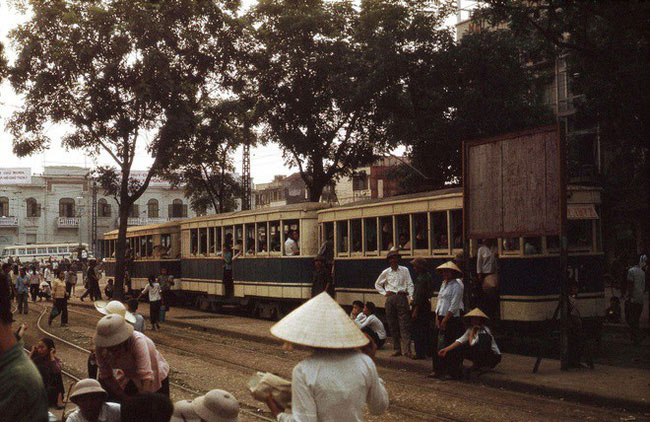
Streets such as Quán Thánh, Kim Mã, Đinh Tiên Hoàng and Nguyễn Khuyến, where trams once ran, no longer see any trace of this one-of-a-kind Hanoi vehicle. Instead, the streets are packed with all kinds of vehicles, both private and public.
In modern times, with so many new kinds of transportation, few people remember or talk about the trams of the past. Many of the streets the trams once ran along are now part of the Old Quarter, and longtime residents of Thăng Long are left with only nostalgic memories of the "clang-clang of the early and late trams."

Vietnam's only museum not for the faint of heart
The Parasite Museum in Hanoi is the only place in Vietnam displaying hundreds of specimens of parasites that threaten humans.
The beauty of Vietnam's wild pheasants and junglefowl
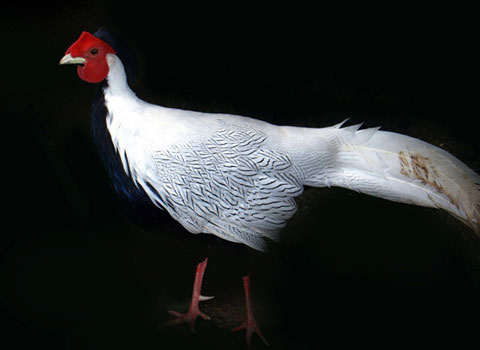
From the red junglefowl to the rare Edwards's pheasant, Vietnam is home to a striking variety of birds in the pheasant family.

The "deadly" beauty of Vietnam's rainbow-colored snake
Despite its small size and alluring colors, the red-necked keelback is a dangerous snake with fairly potent venom.
Remarkable photos of colonial-era Vietnam
Fascinating images of colonial-era Vietnam from J. P. Dannaud’s 1962 book “L’Indochine Profonde” (Deep Indochina).
Rare photos of old Hanoi through the lens of a French photographer
Rare photos of Hanoi in 1890–1895 from an album by Raphaël Moreau, a French photographer based in colonial-era Hanoi.
The oldest known photographs of Hải Phòng
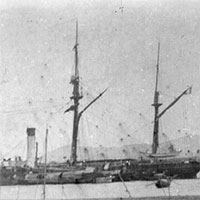
Photos of Hải Phòng from 1888, printed in an old French book, are believed to be the oldest known images of the northern Vietnamese port city.