African blackwood, one of the most expensive woods in the world
Wood is an important part of our society. We use it for fuel, furniture, perfume, musical instruments and much more.
Different woods come at very different prices to suit a wide range of human needs. African blackwood is one of them -it is one of the most expensive woods in the world.
African blackwood is an exotic wood native to East Africa, also known as Mozambique ebony or Senegal ebony.
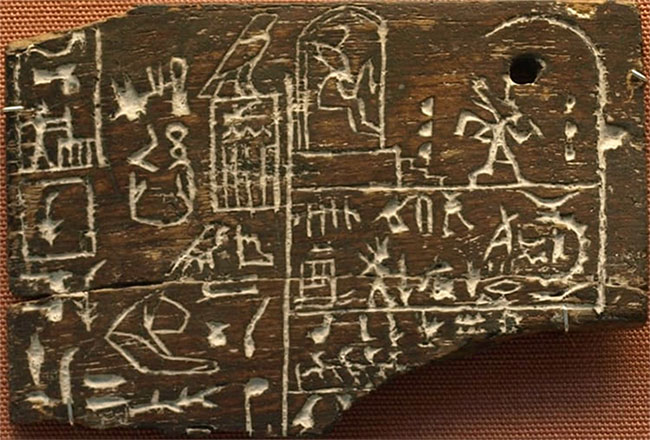
The scientific name of African blackwood is Dalbergia melanoxylon. It is found mainly in the coastal regions of East Africa, including Tanzania and Mozambique. Historical evidence suggests that the use and trade of this wood date back some 5,000 years to the civilization of ancient Egypt.
It was used by pharaohs and wealthy families. In fact, two of the oldest artifacts found in the tomb of King Menes at Abydos were made from this special wood.
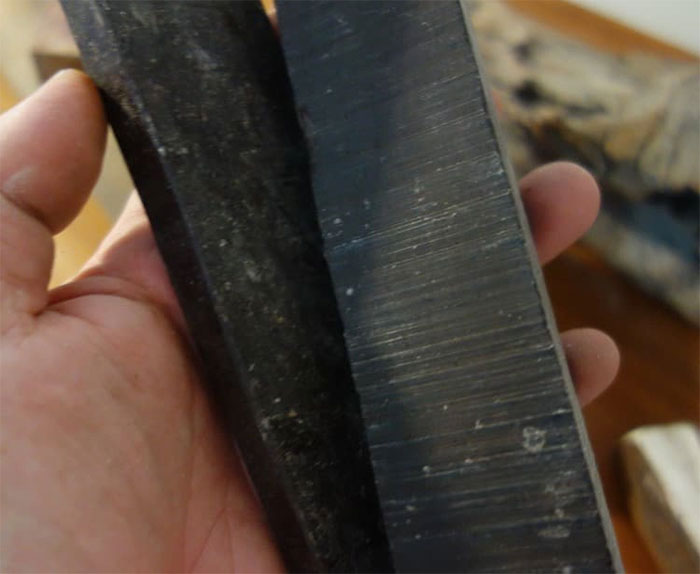
African blackwood has a dense, lustrous texture, ranging in color from reddish to pure black. It is usually cut into small billets or logs with the pale yellowish-white sapwood left on, which helps the wood dry slowly and prevents cracking.
In ancient Egypt, it was widely used to make fine furniture and works of art. It was also used in temple construction, as wooden cramps holding the stone blocks of the pyramids in place.
It was also used to decorate tombs. In more recent times, Africans have used it to carve everything from utensils to statues.
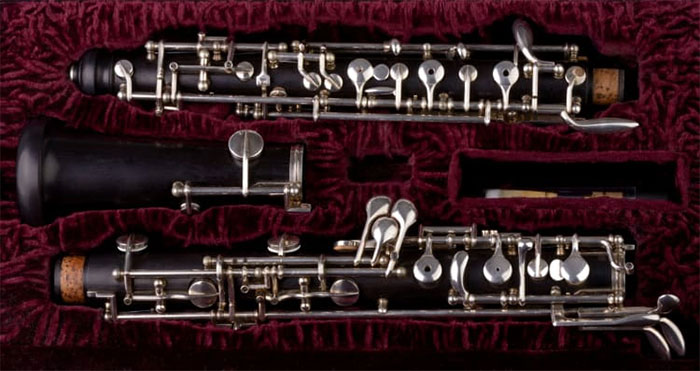
African blackwood is an extremely rare and valuable timber tree. It is used to make musical instruments and high-end furniture. Populations of the species in its native range are threatened by overharvesting, poor conservation planning and low germination rates.
The heartwood is usually dark, purplish-brown to almost black. It is one of the hardest and densest woods, with a fine texture.
African blackwood is considered the best material for making woodwind instruments. As one of the densest woods, it has ideal resonance for the oboes and clarinets heard in concert halls around the world.
African blackwood is typically a small tree found only south of the Sahara Desert. It grows in the dry savannas of southern and central Africa. This extremely slow-growing tree has dense, fine-grained heartwood that produces instruments with a mellow sound.
Blackwood is heavy and hard, and is highly prized by craftsmen for making works of art and musical instruments, including woodwinds and small string instruments. It is an oily wood that helps limit rust forming on the instruments' metal fittings.
Only about 9% of the harvested wood is of high enough quality to make musical instruments.
In past centuries, blackwood was used to make the handles of European medical instruments. The wood was exported from British, French and German colonies in Africa and was also used for furniture inlays and turned objects. The tree grows to a maximum height of about 15 meters (averaging about 8 meters), has an unusual shape and does not reach full maturity until it is about 200 years old. Most trees today are harvested at between 70 and 80 years of age. The trunk rarely exceeds 30 cm in diameter, so it is very difficult to obtain large pieces of African blackwood from the tree.
Its high usefulness combined with its limited supply has made African blackwood one of the most expensive timber trees in the world. Blackwood planting programs have been widely implemented to secure future supplies.
Not only does African blackwood grow slowly, it is also extremely difficult to work, so products made from it are expensive for several reasons. This dark wood has a straight, fine grain, but it is so hard that it can quickly blunt cutting tools. African blackwood usually ranges from jet black to deep purple. The wood resists decay, can withstand heat and is moderately resistant to warping and insects.
The drawback of blackwood is that it rarely grows straight in the way instrument makers would like, and any defect or crack makes the material unusable. This is why only 9% of harvested African blackwood is cut for musical instruments.
What's more, a 10-meter tree at least 70 years old yields enough wood for only 50 clarinets.
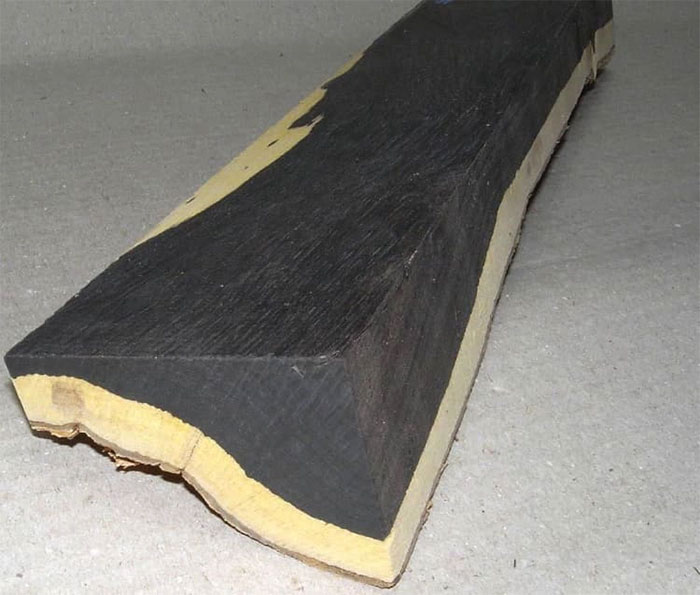
African blackwood is so expensive because it comes from a slow-growing tree. A tree typically needs at least about 70 years before it is ready for harvesting.
Growing demand for African blackwood has led to a decline in the number of these trees. According to the IUCN, the species is considered Near Threatened. The threat to the species' survival is a major reason for its very high price. African blackwood typically costs around 14,000 USD per cubic meter.
African blackwood is stable and durable, and resistant to rot. The wood also has superior properties such as heat resistance. Fully mature trees are fire resistant.
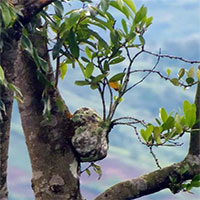
The creepy secret inside one of Vietnam's strangest and rarest plants
At first glance, Vietnam's ant plant looks like a deformed tumor on its host tree. Its outside is bizarre, but its inside is truly creepy.
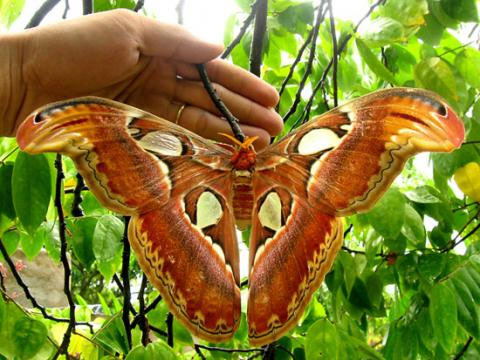
Up close with the Atlas moth, a species in Vietnam's Red Data Book
Listed as Rare in the Vietnam Red Data Book, the Atlas moth (Attacus atlas) is recorded as the largest moth in Vietnam and one of the largest in the world.
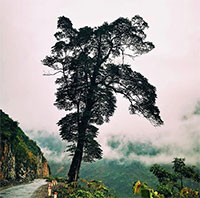
Vietnam's most beautiful "lonely tree" is centuries old, with a trunk five people can't wrap their arms around
This lone red ironwood tree in Hà Giang's ancient forest in northern Vietnam is extremely rare and about 250 years old.
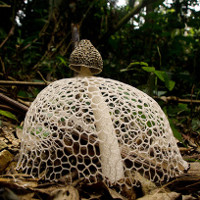
The bizarre "veiled lady" mushroom, one of Vietnam's rarest fungi
The bamboo fungus, whose cap unfurls like a lady's veil, is one of Vietnam's rarest mushrooms, alongside lingzhi and others.
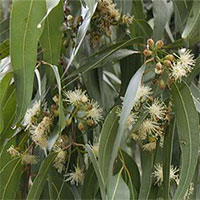
Why is eucalyptus called the "gold-sucking tree"? The secret lies deep underground
Australian researchers have confirmed that eucalyptus roots reach deep enough to absorb gold from buried ore deposits and carry it into the leaves.
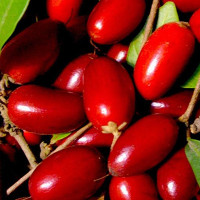
The miracle fruit found in Vietnam that can turn any taste sweet
Vietnam is now home to a "miracle fruit" that can make every flavor in the world taste sweet after you eat it.