The bizarre "veiled lady" mushroom, one of Vietnam's rarest fungi
The bamboo fungus is one of Vietnam's rarest mushrooms, alongside lingzhi (reishi), the "Thái Dương" (sun) mushroom, the "Thượng Hoàng" mushroom and the "trúc sinh" mushroom... Its cap bursts open into what looks like the "veil" once worn by beautiful women of old.
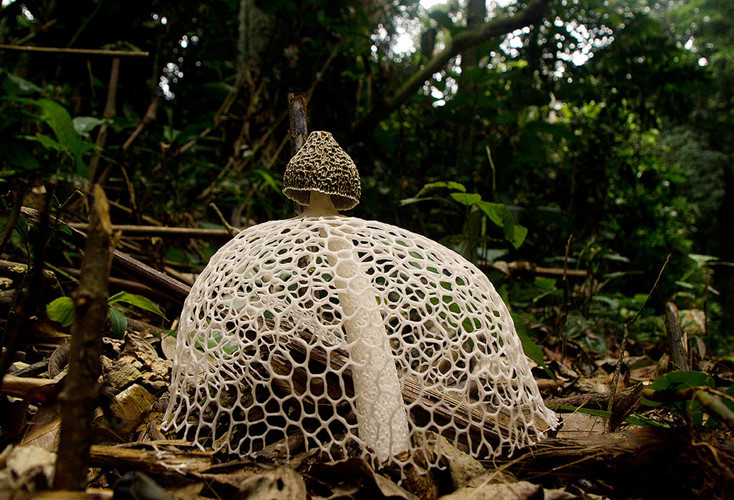
The bamboo fungus.
The bamboo fungus's scientific name is Phallus indusiatus (formerly Dictyophora indusiata). It is also known as the "queen mushroom." When mature, the fungus's cap bursts open into what looks like the "veil" once worn by beautiful women of old. Notably, the cap of the bamboo fungus gives off a foul smell that attracts insects such as flies and mosquitoes.
The bamboo fungus is considered a luxury food. Extracts of this fungus are traditionally believed to help with conditions such as breast cancer and gout, although it is not a proven treatment for any disease.
The bamboo fungus is found in Asian countries including Japan, India, Sri Lanka, Indonesia, the Philippines, Korea and Vietnam. On other continents, it has also been found in the United States, Cuba, Brazil, the United Kingdom, France, Russia, Mexico, Australia and East Africa. But it is used most widely in Chinese cooking.
It is common in Heilongjiang, Jilin, Hebei, Shaanxi, Jiangsu, Zhejiang, Anhui, Hunan, Hubei, Jiangxi, Fujian, Sichuan, Yunnan, Guizhou, Tibet, Guangdong, Guangxi and Hong Kong, though not uniformly so. In the provinces of southwestern China, the fungus is more widespread and of better quality.
In Vietnam, the bamboo fungus grows on rice-field banks, along bamboo hedges and on riverbanks. Specifically, it has been found growing wild in the former Long An province (now part of Tây Ninh province) in southern Vietnam since 2004.
China is currently the world's largest producer of bamboo fungus, mostly in dried form.
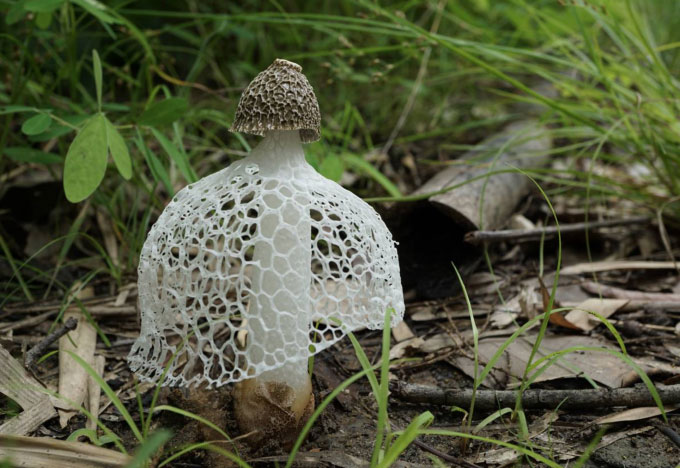
The queen mushroom is also listed among the eight rare treasures of the mountains and forests.
Harvesting the bamboo fungus is also a delicate job, because there are only about 10 hours to complete it. When the stalk reaches a certain stage, usually around noon, the fungus's "skirt" begins to unfurl downward. But by 4-5 p.m., it begins to shrink and drop off, so harvesters must cut the mushrooms as early as possible. Humidity also determines how far the "skirt" spreads: above 95%, it opens normally, but if humidity is too low or the temperature too high, the veil cannot fully unfold, affecting quality and flavor.
Beyond its beautiful appearance, the queen mushroom is also listed among the eight rare treasures of the mountains and forests. It is highly nutritious, being rich in protein and low in fat. In addition, compared with other mushrooms, the bamboo fungus is rich in amino acids, vitamins, inorganic salts, protein, carbohydrates, fiber and antioxidants, and is traditionally believed to nourish the liver, boost virility, replenish vital energy, improve the complexion, support the brain, calm the mind and strengthen the body.
Its compounds supply nutrients to the human body and are believed to support immunity. Moreover, the fungus is said to protect the liver, reduce belly fat buildup, lower blood pressure and blood lipids, and aid weight loss. Some laboratory studies suggest the bamboo fungus contains compounds with anti-tumor activity, but it is not a proven treatment for cancer and should not replace medical care.
The bamboo fungus is usually sold dried.
Since ancient times, the Chinese have used this ingredient in cooking. It was regarded as a rare delicacy, offered as tribute to emperors and made into imperial dishes, the best known being furong zhusun (bamboo fungus soup). The fungus is fragrant, with thick, tender flesh; it can be simmered with lean meat to make a flavorful broth, or stir-fried with pork or chicken. The bamboo fungus has a delicate, sweet taste said to rival chicken, which is why it is also nicknamed "plant-based chicken."
In Hong Kong, this fungus is a popular ingredient in rice-noodle soups, noodles and hot pot. The Tan zai san ge noodle shop in the special administrative region is famous for its bamboo fungus dishes. The bamboo fungus is usually dried; once bought, it is soaked in water and then simmered into broths and soups, which taste very sweet, light and easy to enjoy.
One popular dish in China is bamboo fungus soup cooked in chicken broth. The dried fungus is soaked in cool water for about three hours or until soft, then rinsed, the tough edges trimmed off with scissors, and cut into pieces about three cm long and left to drain. Meanwhile, chicken and pork stock is brought to a boil and seasoned with salt and seasoning powder, then shiitake mushrooms and the soaked bamboo fungus are added. You can also add chopped scallops if you like; bring to a boil over medium heat, then gradually lower the heat for about 20 minutes. Bamboo fungus soup is a familiar dish during holidays and the Lunar New Year.
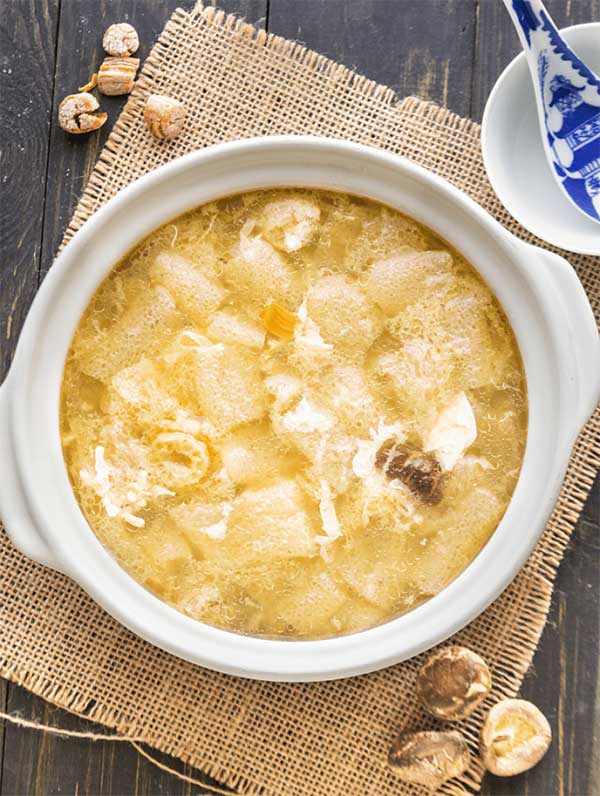
Bamboo fungus soup cooked with chicken. (Photo: wokandkin).
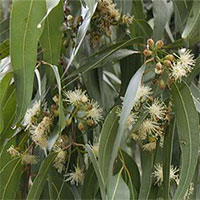
Why is eucalyptus called the "gold-sucking tree"? The secret lies deep underground
Australian researchers have confirmed that eucalyptus roots reach deep enough to absorb gold from buried ore deposits and carry it into the leaves.
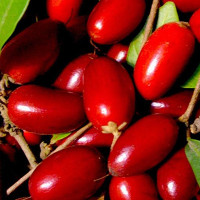
The miracle fruit found in Vietnam that can turn any taste sweet
Vietnam is now home to a "miracle fruit" that can make every flavor in the world taste sweet after you eat it.
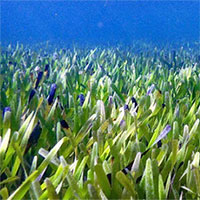
World's largest plant discovered, covering 200 square kilometers
A seagrass meadow in Western Australia is a single cloned plant that has spread from one seedling and survived environmental change for 4,500 years.
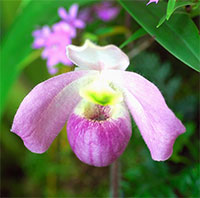
Vietnam's slipper orchid: The one-of-a-kind orchid found nowhere else on Earth that money can't buy
The Vietnamese slipper orchid, found only in Vietnam, is prized by collectors for its rare beauty and is now critically endangered.
Rare butterfly at risk of extinction in Vietnam
The Kaiser-i-Hind is a rare swallowtail butterfly found from Nepal and northern India to the high mountains of Vietnam.
The stunning flower found nowhere else on Earth but Vietnam is already threatened and needs protection
Vietnam is the only place in the world where this striking flower, Deinostigma serratum, is known to grow, and it is already rare.