The miracle fruit found in Vietnam that can turn any taste sweet
Vietnam is now home to a "magic fruit" that can turn every flavor in the world sweet after you eat it.
For the past few years, a fruit has been marketed under the name "magic fruit": eating it is enough to make every taste - sour, spicy, salty, bitter and more - turn sweet.
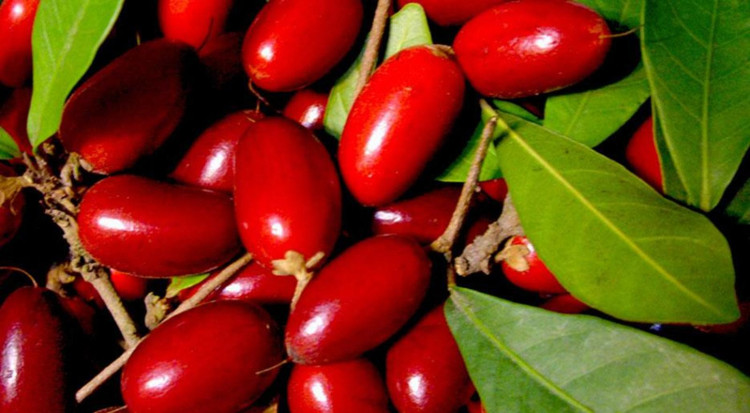
The "miracle" fruit - a fruit said to turn every flavor in the world sweet.
And here is the thing: this "magic fruit" really does work as advertised. Eat one, and anything you eat afterward tastes sweet, even lemons, chili peppers, bitter melon, vinegar and pickles.
So what exactly is this fruit, with powers that seem almost magical?
"Miracle fruit" - the fruit that alters human taste perception
The miracle plant is native to West Africa and is a small woody tree. It is widely grown in Japan and the United States. The fruits grow in clusters of 2-3 and turn a plump, attractive red when ripe.
The plant we are talking about has the scientific name Synsepalum dulcificum, and because of its fruit's remarkable effect, people around the world call it "miracle fruit".
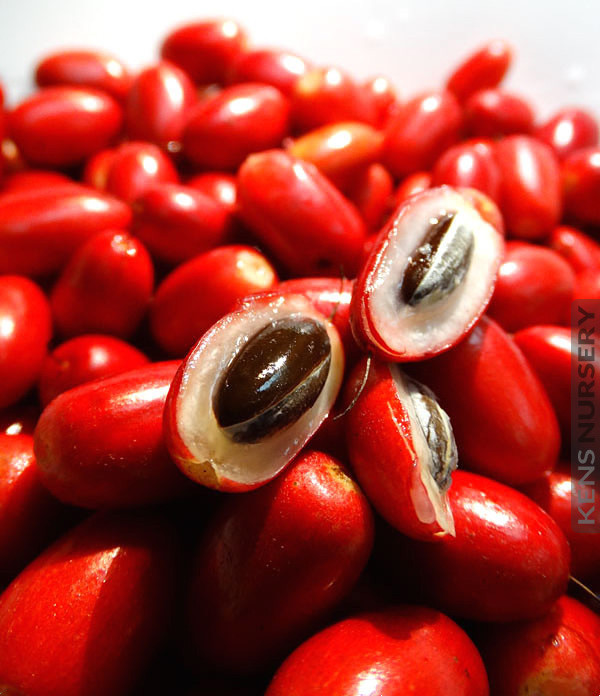
The fruit turns bright red when ripe and is about the size of a little finger.
"The magic tree" is a vigorous species that can grow up to 6m tall and is extremely easy to cultivate in many different regions. Its fruit turns bright red when ripe and is about the size of a little finger; eating it makes everything you taste afterward intensely sweet.
The plant was first documented in 1725 in West Africa by European explorers. Marchais, a member of the expedition, noticed that local people often chewed a certain fruit before meals. The explorers tried it too, and the fruit eventually spread around the world.
But why does this fruit have such a miraculous effect?
According to many experts, the miracle fruit contains a compound called miraculin - a type of glycoprotein, which can change how the taste buds on our tongues perceive flavors.
In terms of mechanism, experts say miraculin can temporarily "lock" the taste buds, except for those that detect sweetness. Others suggest that miraculin may react with acids in food, so sour tastes become sweet, even with foods such as lemons and vinegar.
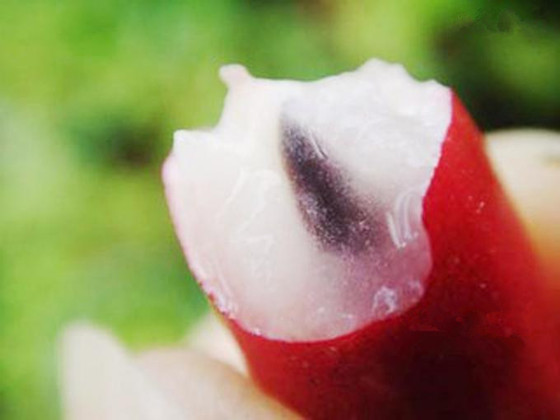
This fruit may react with acids on the tongue, or lock the taste buds, except for sweetness.
However, the miracle fruit's effect is only temporary - lasting a few hours at most, and it takes only a few minutes after eating to kick in. What's more, eating hot food makes the magic disappear, because miraculin is a protein that is unstable at high temperatures.
Even so, miraculin alone was more than enough to draw businesses in. In 1968, the United States became the first country to successfully extract miraculin, and it was put into capsules. At one point, the sugar industry even came under considerable pressure as sugar consumption kept falling, because people were busy enjoying sweetness from things that could not-possibly-be-sweet.
And guess what - the best news is that Vietnam has this fruit too. Records show that the miracle plant was introduced to Vietnam in 2010 and then spread to most provinces across the country.
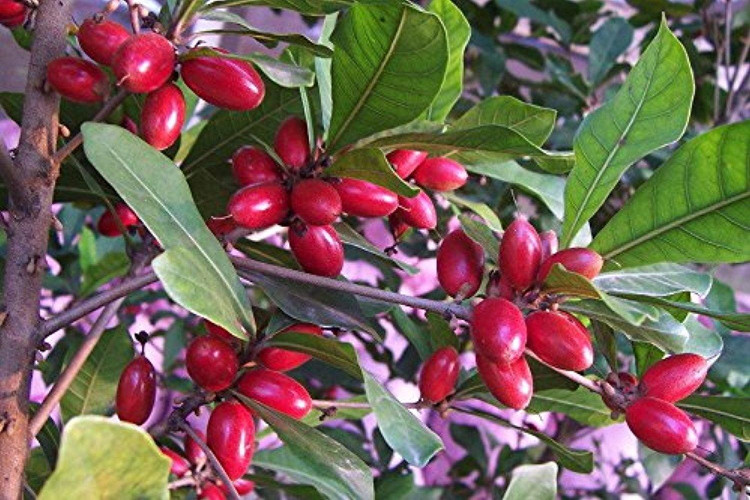
This fruit can now be found in many provinces and cities of Vietnam.
If you are curious to try this fruit, there is no need to hesitate. However, remember that the miracle fruit only tricks your sense of taste; it does not change the chemical structure of other foods.
That means even if a lemon tastes sweet to you, it is in fact still extremely sour and can still harm your stomach and your health.
According to the U.S. Food and Drug Administration (FDA), products related to the miracle fruit are labeled as dietary supplements rather than "sweeteners". Since 1970, Americans on diets have been able to buy miraculin tablets to trick their own taste buds. Sour fruits such as lemons, sour foods such as pickles and vinegar-pickled vegetables, and pungent or bitter items such as chili sauce, wine and beer... all become sweet after tasting miraculin.
According to nutrition pharmacist Lê Kim Phụng, a former lecturer at the University of Medicine and Pharmacy at Ho Chi Minh City (Đại học Y dược TP HCM), the fruit only plays a supporting role and does not lower blood sugar in people with diabetes or people on diets. However, its sweetness makes patients less inclined to use other sweeteners. As a result, the amount of sugar absorbed by the body decreases, which benefits people following a diet. In Japan, the miracle fruit has been used by some people with diabetes and those on diets to help cut down on sugar, but it is not a proven treatment and should not replace medical advice.
Things to keep in mind when eating miracle fruit
Miraculin is a protein that is unstable at high temperatures and breaks down when heated. So once cooked, the miracle fruit no longer has any effect on taste.
Because the miracle fruit makes things taste sweet afterward, many people use it as an excuse to eat other sour and spicy foods. Experts advise against eating too many sour and spicy foods, because those foods are still essentially acids and alcohol. Eating too much of them can damage the lining of the mouth and stomach. Over the long term, this may contribute to irritation and ulcers in the mouth and throat.
World's largest plant discovered, covering 200 square kilometers
A seagrass meadow in Western Australia is a single cloned plant that has spread from one seedling and survived environmental change for 4,500 years.
Vietnam's slipper orchid: The one-of-a-kind orchid found nowhere else on Earth that money can't buy
The Vietnamese slipper orchid, found only in Vietnam, is prized by collectors for its rare beauty and is now critically endangered.
Rare butterfly at risk of extinction in Vietnam
The Kaiser-i-Hind is a rare swallowtail butterfly found from Nepal and northern India to the high mountains of Vietnam.
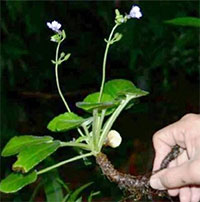
The stunning flower found nowhere else on Earth but Vietnam is already threatened and needs protection
Vietnam is the only place in the world where this striking flower, Deinostigma serratum, is known to grow, and it is already rare.
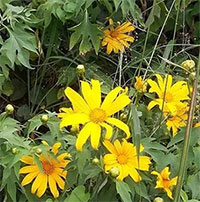
Fascinating facts about the flower painting Vietnam bright yellow
The Mexican sunflower (Tithonia diversifolia), or dã quỳ, is a wildflower famed for its brilliant yellow winter blooms. Here are some facts about it.
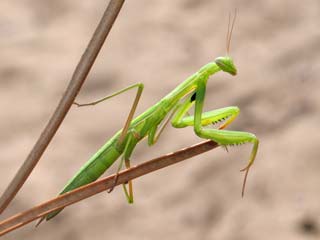
European mantis (Mantis religiosa)
A large insect 40–80 mm long, the European mantis uses blade-like front legs to catch prey, and females may eat males during mating.