Fascinating facts about the flower painting Vietnam bright yellow
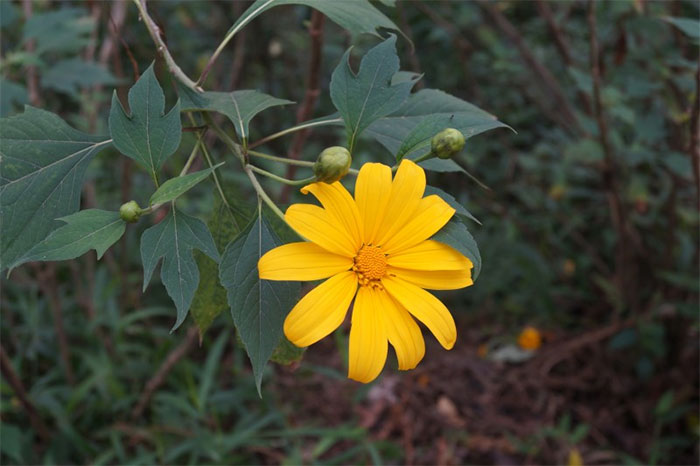
The Mexican sunflower (Tithonia diversifolia), known in Vietnam as dã quỳ or cúc quỳ, is a vivid wildflower famous for its brilliant yellow blooms every winter. Here are some fascinating facts about this flower.
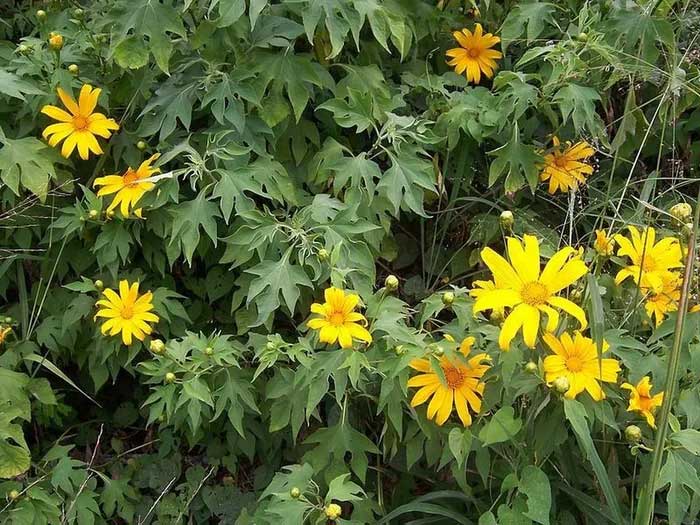
1. Origins. The Mexican sunflower is native to Central America, mainly Mexico, but it has spread widely and become part of the flora in many regions around the world. (Photo: Pinterest).
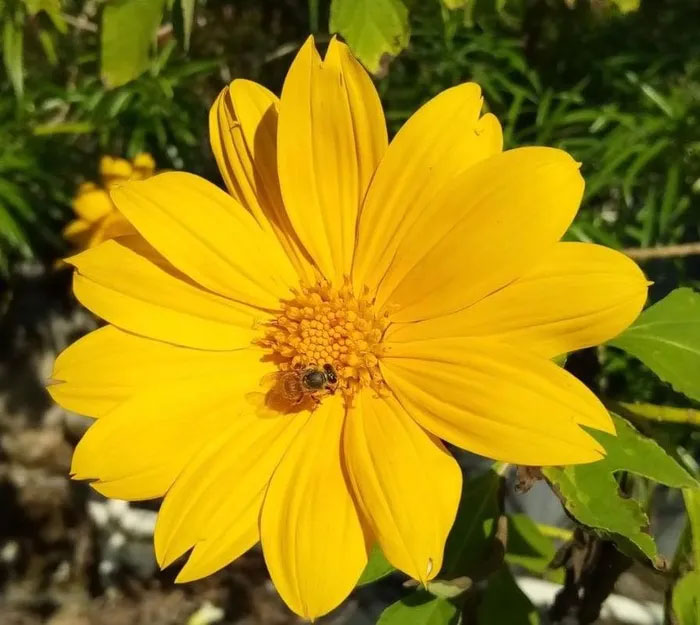
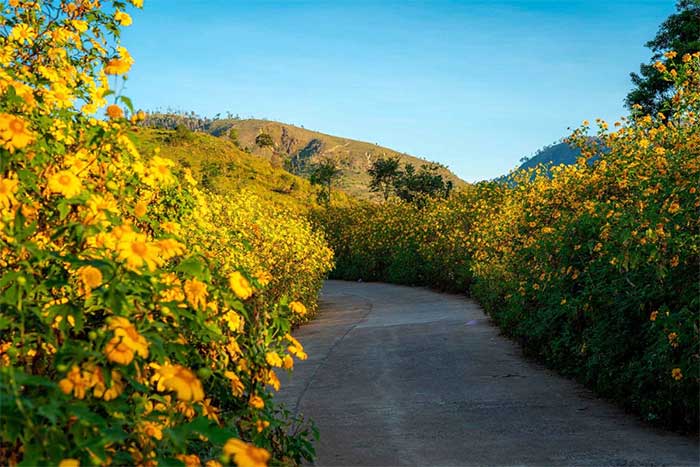
2. A symbol of Vietnam. The flower is closely associated with Vietnam's highlands, especially Đà Lạt, a highland city in Lâm Đồng province in southern-central Vietnam, where several landmarks draw on its image (Liên Khương Airport and Lâm Viên Square). (Photo: Pinterest).
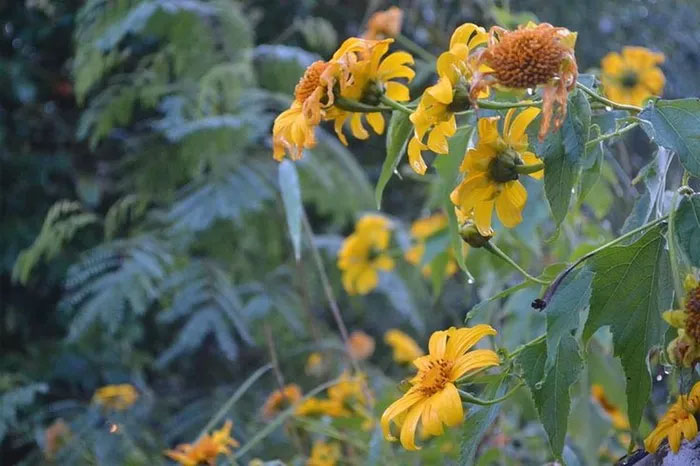
3. Peak bloom. The flowers usually bloom in late autumn and early winter (October to December), creating golden carpets that shimmer in the sunlight. (Photo: Pinterest).
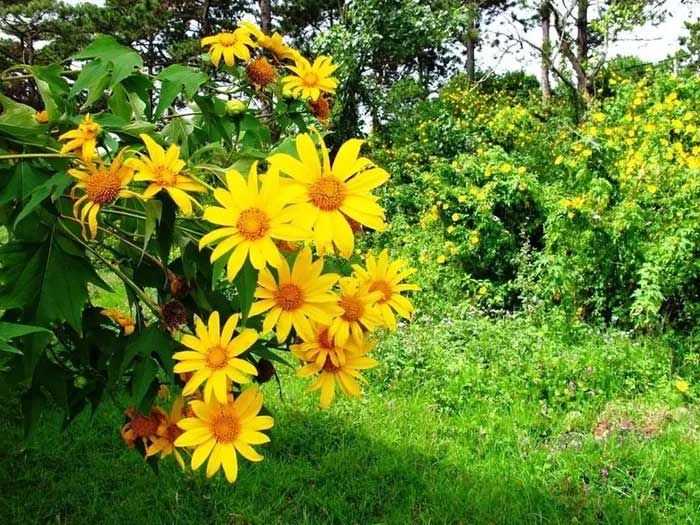
4. Facing the sun. The plant is also called the wild sunflower because its large flower heads always face the sun, just like sunflowers. (Photo: Pinterest).
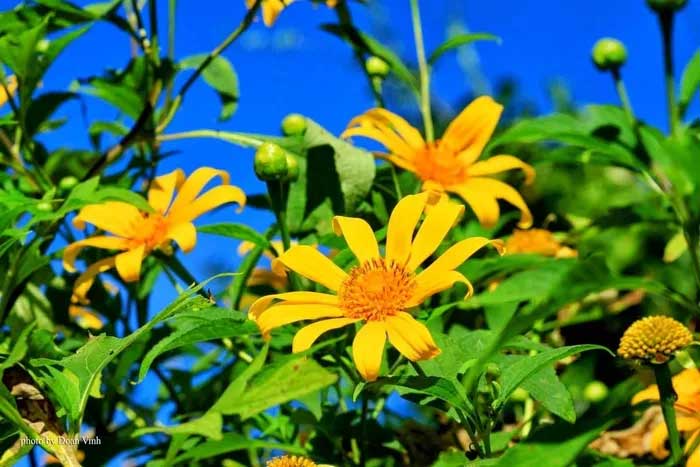
5. Remarkable resilience. The Mexican sunflower can grow in poor, dry soil, making it a hardy and highly adaptable plant. (Photo: Pinterest).
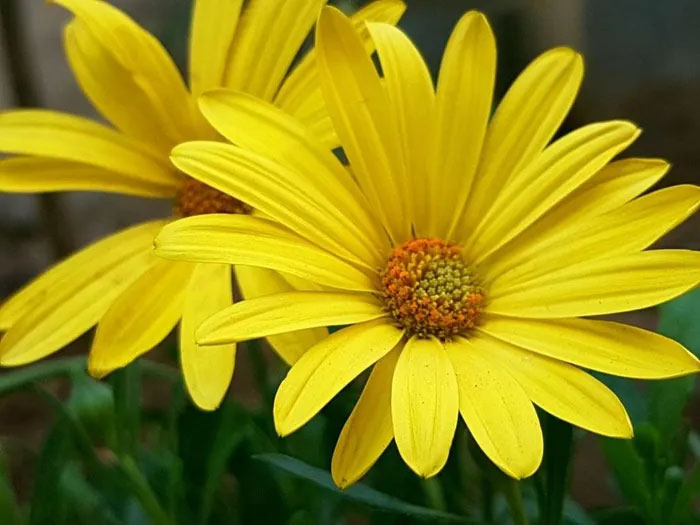
6. Rapid growth. It is a fast-growing shrub that can reach 1-3 meters tall and thrives even in harsh conditions. (Photo: Pinterest).
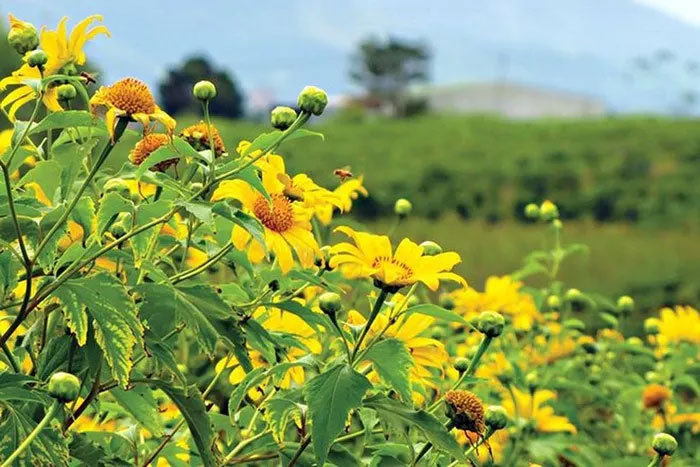
7. Improving the soil. Its roots help hold the soil in place and prevent erosion. The plant also enriches the soil as its leaves decompose into a natural, nutrient-rich layer of humus. (Photo: Pinterest).

8. Used as green manure. In many places, farmers use the plant as green manure because it is rich in organic matter and the nutrients crops need. (Photo: Pinterest).
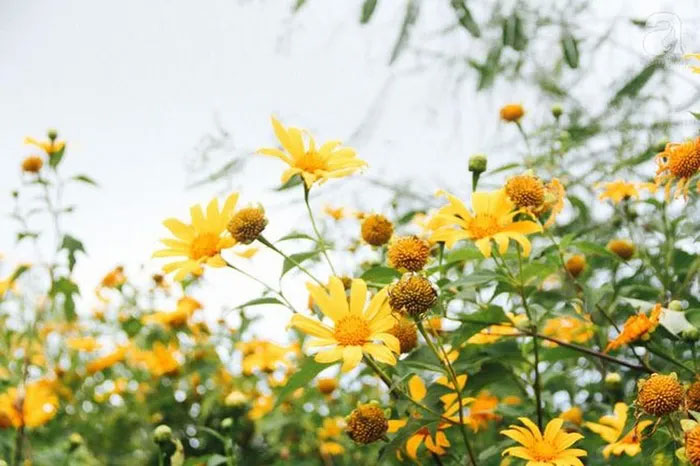
9. Attracting pollinators. The flowers attract many bees, butterflies and other insects, playing an important role in the local ecosystem. (Photo: Pinterest).
10. Uses in medicine. In folk medicine, the plant has traditionally been used for ailments such as malaria, wounds and skin inflammation; however, it is not a proven treatment. (Photo: internet).

11. A tale of love. According to folk legend, the flower symbolizes the sorrowful yet faithful love of a young couple separated by circumstance. (Photo: internet).
12. Invasive potential. Despite its natural beauty, the Mexican sunflower is considered invasive in some places because it spreads very quickly and competes with native species. (Photo: internet).
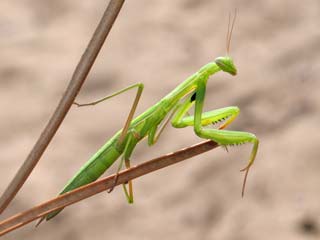
European mantis (Mantis religiosa)
A large insect 40–80 mm long, the European mantis uses blade-like front legs to catch prey, and females may eat males during mating.
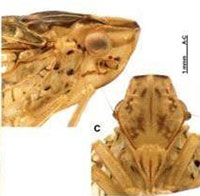
Two new planthopper species discovered in central Vietnam offer a window on habitat change
Vietnamese scientists have described two new planthopper species of the genus Connelicita from Huế, central Vietnam.
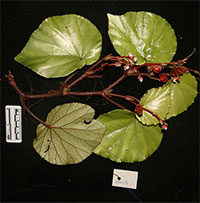
New begonia species discovered in Vietnam's Đakrông Nature Reserve
A new begonia, Begonia laxiflora, has been found in evergreen forest in the Đakrông Nature Reserve, Quảng Trị province, central Vietnam.
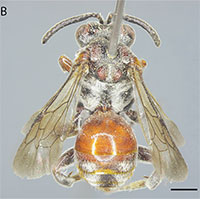
New cuckoo bee species discovered in Vietnam's Vũ Quang National Park
Scientists have described Pasites vuquang, a new cuckoo bee from Vũ Quang National Park and the first record of its tribe and genus in Vietnam.
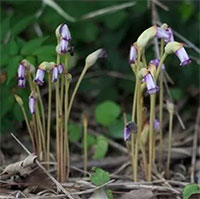
Rare tree species discovered in the forests of central Vietnam's Quảng Trị
Scientists found centuries-old podocarps, wild ancient tea trees and lệ dương plants in Quảng Trị forests above 1,000m in central Vietnam.
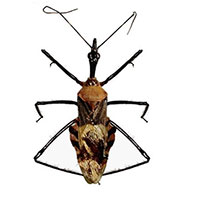
Two new assassin bug species discovered in Vietnam
Vietnamese scientists have described two assassin bug species new to science, Sycanus thuathienhuensis and S. taynguyenensis, using DNA and morphology.