New begonia species discovered in Vietnam's Đakrông Nature Reserve
A new plant species in the begonia family (Begoniaceae), named Begonia laxiflora, has been discovered in closed evergreen forest in the Đakrông Nature Reserve, in Quảng Trị province, central Vietnam.
The find came out of a supplementary survey of the reserve's plant species, including endangered and rare ones, carried out from December 2023 to June 2024.
The discovery was a collaboration between scientists from the Institute of Ecology and Biological Resources (IEBR), the Forest Inventory and Planning Institute, and the Đakrông Nature Reserve in Quảng Trị province.

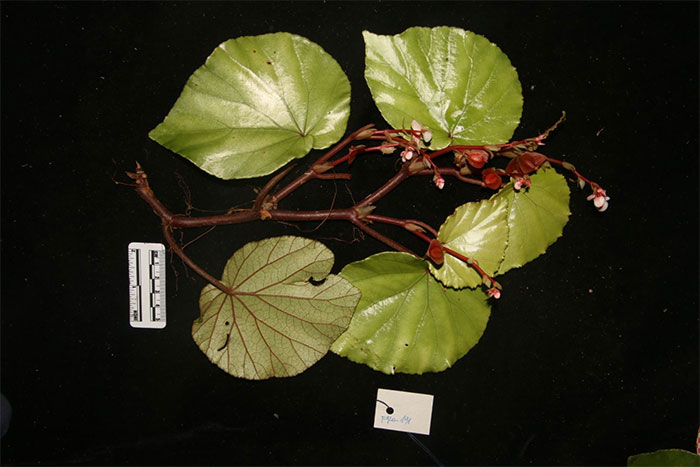
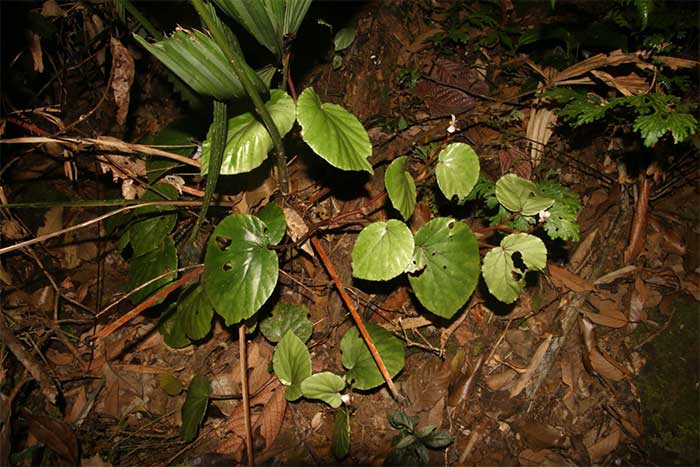

The plant was discovered in the Đakrông Nature Reserve, Quảng Trị province.
The new species is thought to be endemic to Vietnam, an important addition to the rich biodiversity of the Trường Sơn (Annamite) mountain range.
Trương Quang Trung, director of the Đakrông Nature Reserve, said: "The discovery of the new plant species Begonia laxiflora in the Đakrông Nature Reserve is a testament to our long-term commitment to conserving and developing biodiversity in the area. As a meeting point of Vietnam's main floristic streams, we believe that, with the right investment, the number of species newly recorded for the reserve, as well as species new to science, will grow considerably. We are determined to protect Vietnam's rare plants and unique ecosystems, and to help preserve this natural heritage for future generations."
Begonia laxiflora was found growing on granite slopes along streams. It is distinguished from other begonias by its long inflorescences and hairless capsules, adding to our understanding of Vietnam's plant diversity.
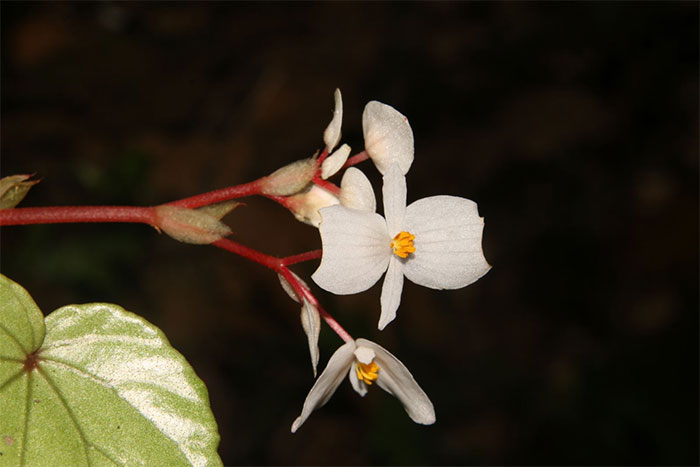
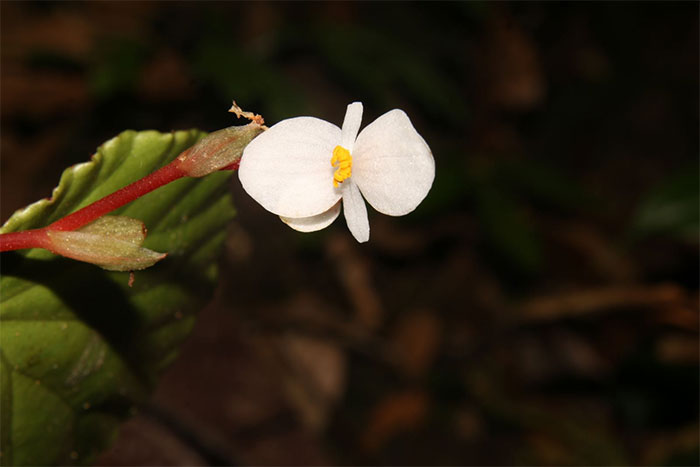
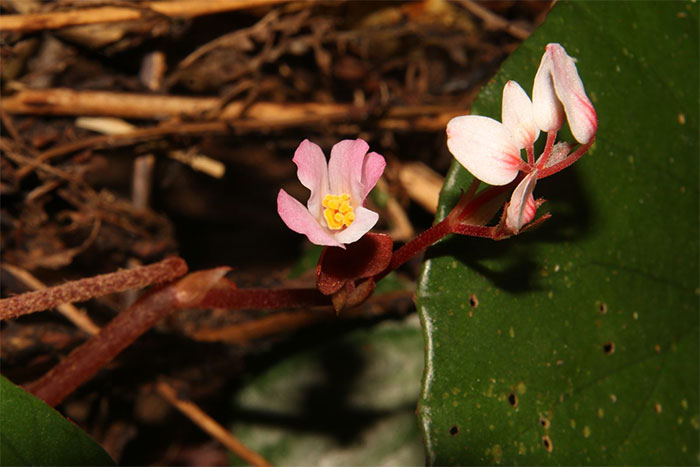
The new plant species is thought to be endemic to Vietnam.
Nick Cox, director of the Biodiversity Conservation Component, implemented by WWF, said: "It is very likely that many more new plant and animal species will be discovered in the Trường Sơn range in the coming years. It is important to keep strengthening the protection of these forests, building on the determination of the Government and people of Vietnam and the support of domestic and international organizations working on biodiversity conservation".
The discovery of a new plant species in the Đakrông Nature Reserve is significant for adding to the region's known biodiversity and for supporting scientific research and ecosystem conservation. It also helps us gauge the health of the environment and raises public awareness of the need to protect nature.
New cuckoo bee species discovered in Vietnam's Vũ Quang National Park
Scientists have described Pasites vuquang, a new cuckoo bee from Vũ Quang National Park and the first record of its tribe and genus in Vietnam.
Rare tree species discovered in the forests of central Vietnam's Quảng Trị
Scientists found centuries-old podocarps, wild ancient tea trees and lệ dương plants in Quảng Trị forests above 1,000m in central Vietnam.
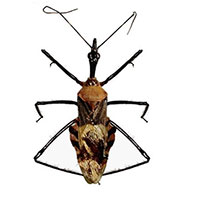
Two new assassin bug species discovered in Vietnam
Vietnamese scientists have described two assassin bug species new to science, Sycanus thuathienhuensis and S. taynguyenensis, using DNA and morphology.
Vietnam develops japonica rice with oil-rich bran
Vietnamese scientists have bred a new japonica rice line whose bran contains over 20% oil, suitable for producing cooking oil.
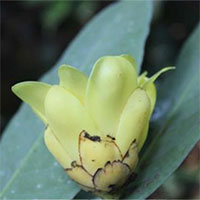
Three rare plant species being conserved and expanded in Vietnam's Pù Luông Nature Reserve
Surveys in Pù Luông Nature Reserve found 130 Garcinia fagraeoides, 25 Cephalotaxus mannii and 120 Camellia pleurocarpa, prompting a conservation plan.
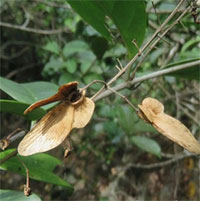
New critically endangered plant genus and species discovered in Vietnam's Quảng Trị limestone mountains
Scientists have described a new endemic plant genus and two critically endangered species from limestone mountains in Quảng Trị, central Vietnam.