Inside the Hanoi center conserving Vietnam's rarest lotus varieties
Right in Hanoi, a center grows, studies and conserves nearly 40 rare lotus varieties from across Vietnam and abroad. They range from pink, yellow and white lotuses, including varieties from Hội An (now part of Đà Nẵng city in central Vietnam) and the Mekong Delta provinces of Đồng Tháp and An Giang, to giant "king lotus" water lilies from faraway South America.
The lotus is widely regarded as Vietnam's national flower, a symbol of the nation's character and culture: modest, gentle and refined. Anyone who has heard the song "Hà Nội mười hai mùa hoa" ("Hanoi's Twelve Flower Seasons") knows that the lotus has also been bound up with the people of Hanoi and the old capital for centuries.
The lotus season usually begins in late May and lasts until early September. The lotus is the most beautiful embodiment of the saying "it grows in the mud yet never smells of mud."
Notably, right in Hanoi there is a center that grows, studies and conserves nearly 40 rare lotus varieties from across the country, from pink, yellow and white lotuses to varieties from Hội An, Đồng Tháp, An Giang and elsewhere.
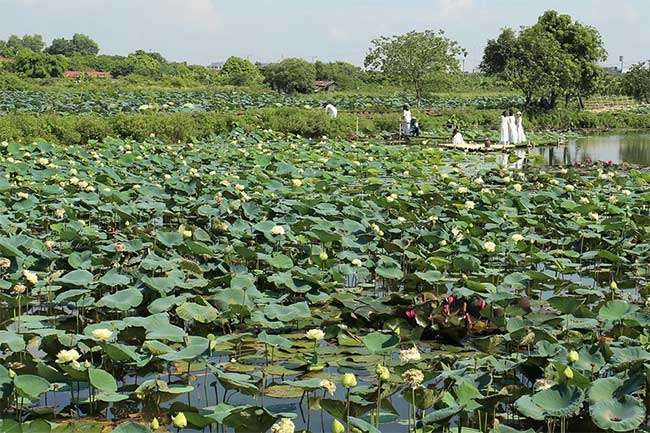
The center for the conservation, use and development of lotus genetic resources (in Trâu Quỳ, in the former Gia Lâm district of Hanoi) currently grows 39 different lotus varieties on an area of 10 hectares.

Among the varieties here, the Vàng Táo yellow lotus stands out for its unusual color, its petals opening to show off a golden hue.
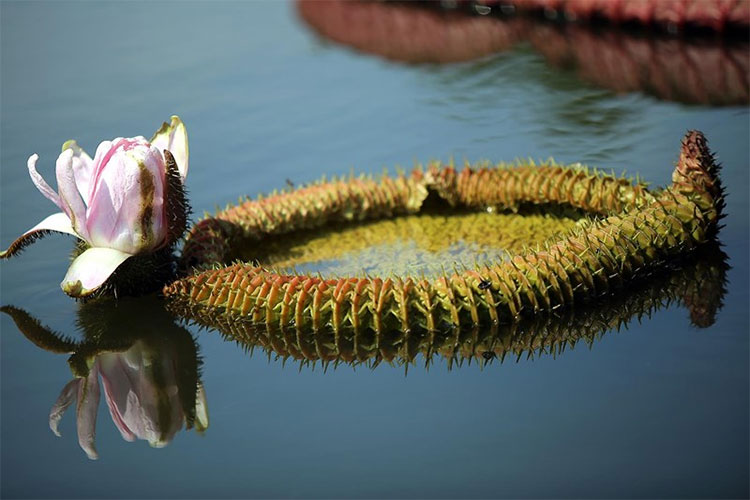
Meanwhile, the "king lotus" (giant water lily) grows in shallow waters of the Amazon River basin. People discovered the plant and brought it back to grow as an ornamental in large ponds and lakes.
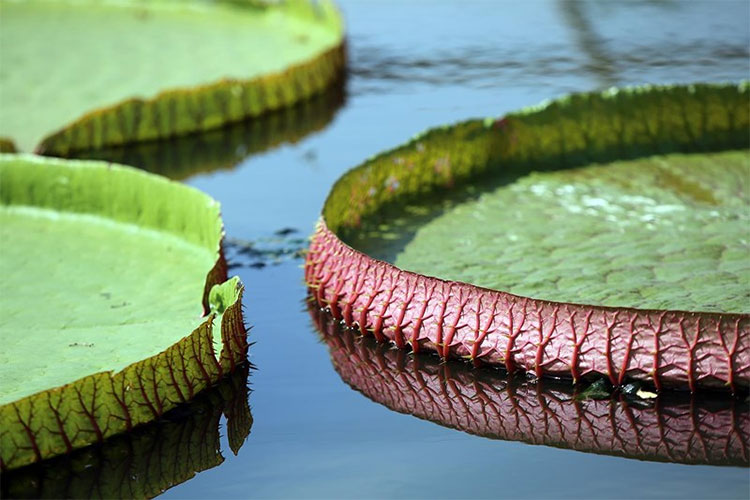
The underside of its leaf is red, with large, sturdy veins and spines that form a "skeleton" protecting it from aquatic animals. The leaf contains many air pockets that give it great buoyancy. A child weighing 20-30kg can sit comfortably on a king lotus leaf. If sand is spread evenly over the leaf's surface, it can hold as much as 75kg.
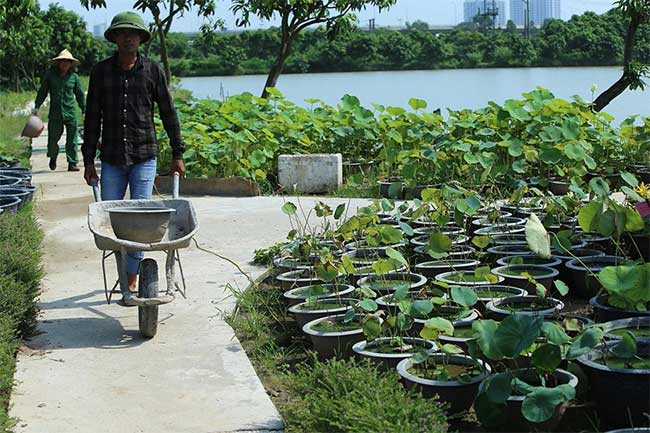
Covering 10 hectares, the area for growing and developing rare lotuses in Gia Lâm forms separate, colorful lotus ponds.
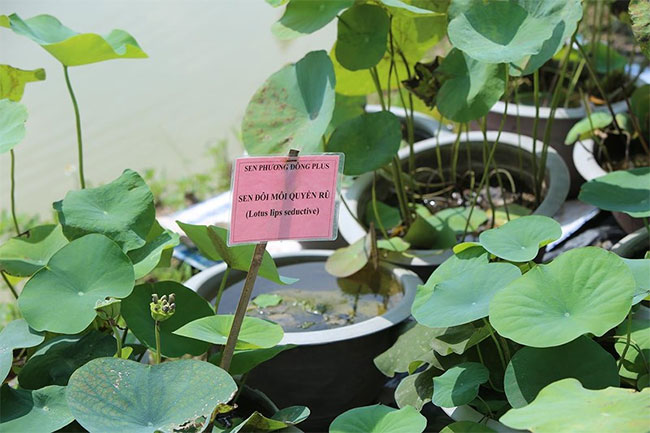
Mr. Hiệp, who works directly at the center, said: "Collecting, conserving and developing lotus varieties isn't done only in Vietnam. Other Asian countries, such as Japan and China, also grow and conserve native and imported lotuses for research and propagation."
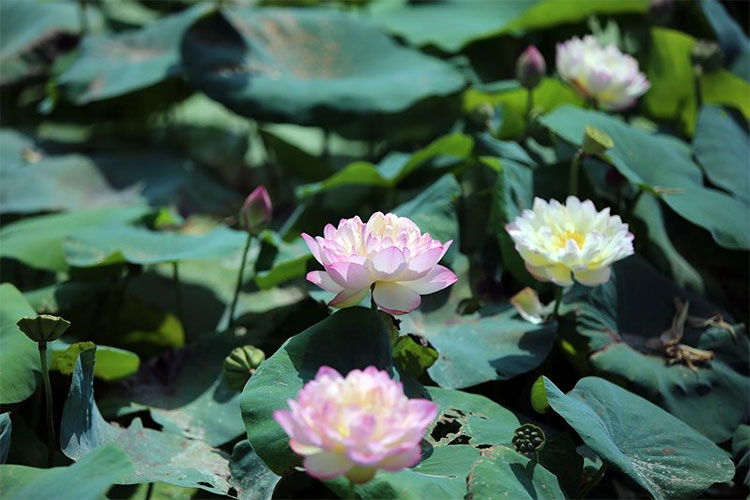
The Ánh Dương lotus shows off its fragrant blossoms in mid-July.
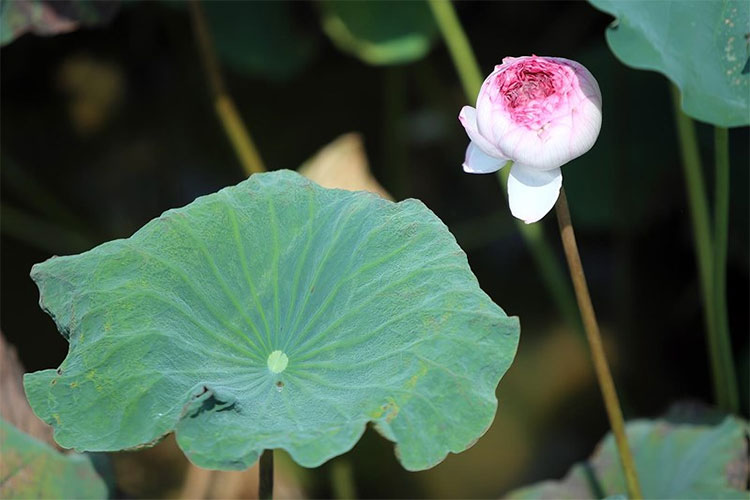
The Nghi Lương thousand-petal lotus has a special structure, with each flower bearing a "thousand" charming, demure pink petals.
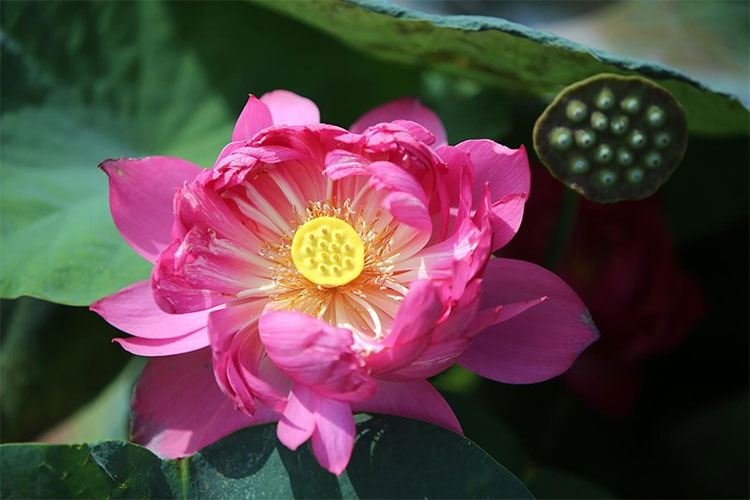
When it comes to lotus colors, one can't fail to mention the Huyết sen ("blood lotus"), with its distinctive red color.
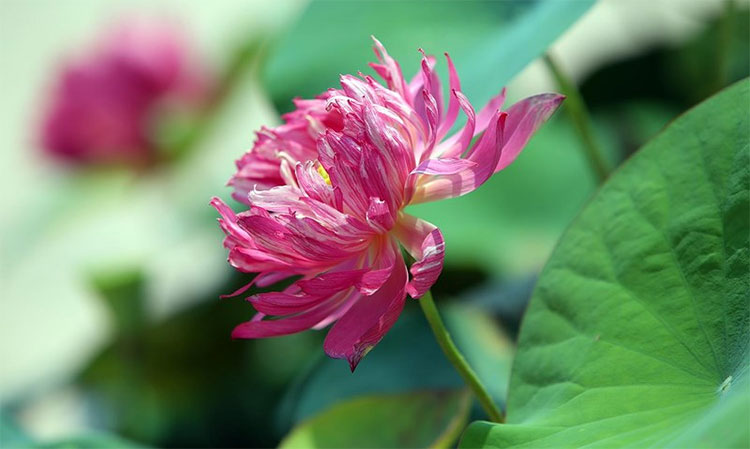
When the Huyết sen opens, its petals usually curve evenly, with white alternating with red to create a brilliant flower.
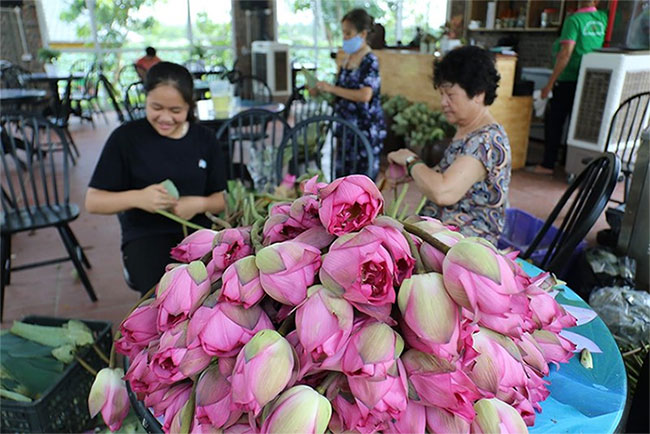
According to Mr. Hiệp, who specializes in lotus research, the Hồ Tây (West Lake) lotus is the best variety for scenting tea, its delicate, distinctive fragrance making for a delicious cup.

What is the longest river in Vietnam?
Vietnam has 392 rivers. Which is the longest originating in the country, and which is the longest flowing through its territory?

8 fascinating facts about Sơn Đoòng, the world's largest cave
Sơn Đoòng, in Vietnam's Phong Nha-Kẻ Bàng National Park, is widely regarded as the largest natural cave ever discovered. Here are 8 facts about it.