How chopsticks differ across cultures
Chopsticks are more than just eating utensils: they carry the cultural imprint of each country. Let's explore the fascinating differences between Chinese, Japanese, Korean and Vietnamese chopsticks.
Chopsticks are a familiar symbol of East Asian cuisine and have been used at everyday meals for thousands of years. Yet not everyone knows that chopsticks differ from country to country in shape, material and the way they are used.
1. Chinese chopsticks: long and heavy
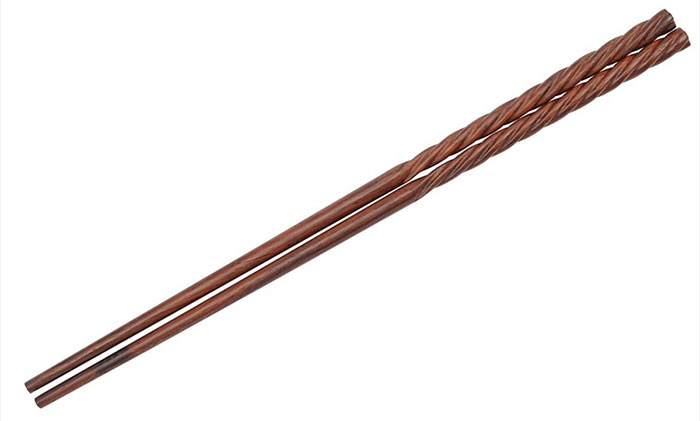
These chopsticks are usually made from materials such as bamboo, wood, plastic or even metal.
Chinese chopsticks are generally the longest of all East Asian chopsticks, at around 25-30 cm. They are usually made from materials such as bamboo, wood, plastic or even metal. Chinese chopsticks are characterized by long, straight shafts and thick tips that are rarely tapered to a point like those of other countries.
The extra length makes it easier for Chinese diners to reach into large bowls of food placed in the middle of the table. In Chinese cuisine, dishes are usually set out on the table for everyone to share, and long chopsticks make it more convenient to pick up food from a distance.
2. Japanese chopsticks: short and refined
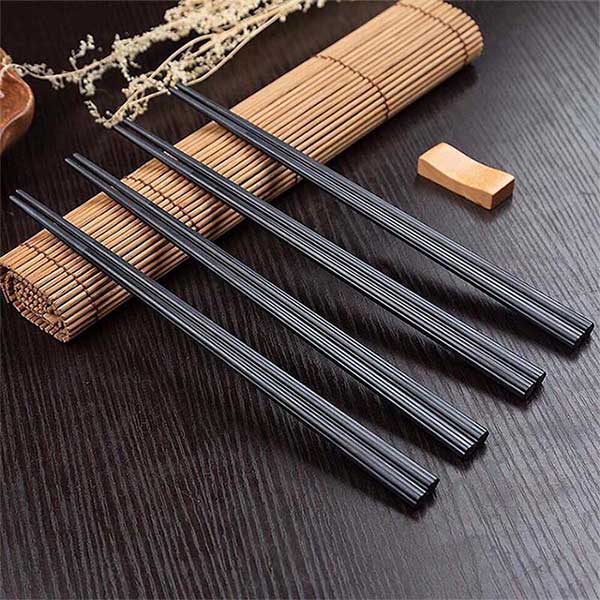
The defining feature of Japanese chopsticks is their pointed tips.
Japanese chopsticks tend to be shorter than Chinese ones, usually only about 20-23 cm long. Their defining feature is their pointed tips, which make it easy for Japanese diners to pick up delicate foods, especially fish or sushi. Japanese chopsticks also often bear intricate decorative patterns, reflecting the refinement and attention to detail of Japanese culture.
Another distinctive point is that the Japanese have separate chopsticks for different purposes, such as chopsticks for eating fish, chopsticks for children and chopsticks used in traditional ceremonies. Japanese chopsticks come in a wide range of materials, too, from wood and bamboo to high-end lacquerware.
3. Korean chopsticks: metal with flat tips
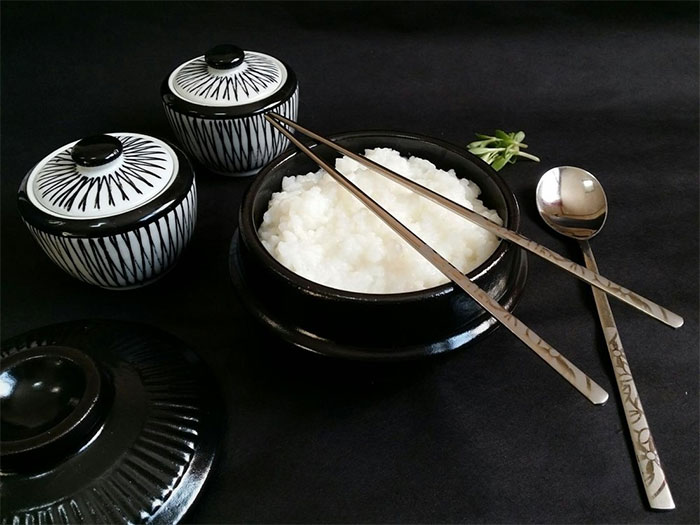
Korean chopsticks are slightly flattened at the end. (Photo: SinhvienVietNam).
Korean chopsticks have a feature that sets them apart from those of other countries: they are usually made of metal rather than wood or bamboo. Korean chopsticks are usually short, about 20-23 cm, and slightly flattened at the end, which makes them easier to hold.
The use of metal chopsticks dates back to the dining habits of the Korean royal family in the past. Kings used silver chopsticks to detect poison in their food. Although silver chopsticks are no longer common today, metal chopsticks have become a Korean tradition.
In addition, because metal chopsticks can be more slippery than wooden or bamboo ones, the ends are often designed to be flat to give users a firmer grip, especially when picking up heavy or oily dishes.
4. Vietnamese chopsticks: versatile and flexible
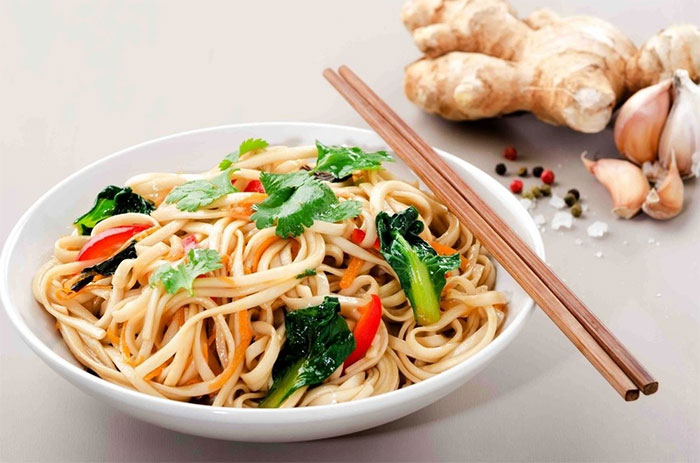
Vietnamese chopsticks are usually made from bamboo, wood or plastic and are flexible and versatile. (Photo: SinhvienVietNam).
Vietnamese chopsticks are usually about 25 cm long, longer than Japanese and Korean chopsticks but slightly shorter than Chinese ones. They have a simple design, with small, rounded tips that make it easy to pick up food. Vietnamese chopsticks are usually made from bamboo, wood or plastic, making them flexible and versatile for use with many different dishes.
Vietnamese people habitually use chopsticks for both cooking and eating. Longer chopsticks may be used to stir pots and handle food during cooking, while shorter ones are used at everyday meals.
The cultural meaning of chopsticks
Beyond the differences in shape and material, chopsticks also carry deep cultural meaning in each country.
- In China, chopsticks are not only eating utensils but also symbols of good luck and family togetherness.
- In Japan, chopsticks are seen as a symbol of refinement and respect in dining culture.
- In Korea, the use of metal chopsticks carries a royal touch and a sense of elegance.
- In Vietnam, chopsticks symbolize closeness and unity at family meals.
Despite their differences in shape, material and use, chopsticks remain a shared symbol of East Asian cuisine and culture. Learning about these differences helps us better understand the cultural values and traditions of each country.
How do the lunar and solar calendars differ?
The lunar calendar is a key part of East Asian tradition. Here is how it differs from the solar calendar and why it matters in Vietnam.
Could humans live underground to escape climate change?
Is living underground a viable solution to an approaching climate crisis? Scientists weigh the benefits and the risks.
Where women paint their nails, wear traditional robes and take spears to the sea to hunt squid
Oman's Bedouin women fishers hunt cuttlefish, rays and octopus with simple handmade spears, but their tradition may be dying out.
Time passes more slowly when you ride a crowded train
The more crowded a train or bus is, the slower time seems to pass for each passenger, a Cornell University VR study suggests.

Fascinating fact: The University of Oxford is older than the Aztec civilization
Did you know that the University of Oxford is more than 200 years older than the mysterious ancient Aztec civilization?

What is the "full moon effect"? Does the full moon really drive sharks to attack?
Corals spawn, plankton dive deeper and lions hunt less under a full moon. Data spanning 50 years suggest sharks may also attack more often.