How do the lunar and solar calendars differ?
The lunar calendar is an important part of the traditional culture of East Asian countries. Vietnam uses two calendars side by side: the lunar calendar and the solar calendar. So how do they differ, and why does the lunar calendar matter so much in Vietnam? Let's find out.
What is the lunar calendar? How it differs from the solar calendar
The lunar calendar (also known in Vietnamese as "lịch âm lịch" or "lịch nguyên") is a calendar system used by many cultures in Asian countries such as China, Vietnam, South Korea and Japan. It is calculated from the cycle of the Moon as it orbits Earth, together with other astronomical factors, to measure time and to set holidays, auspicious and inauspicious days, and important events of the year.
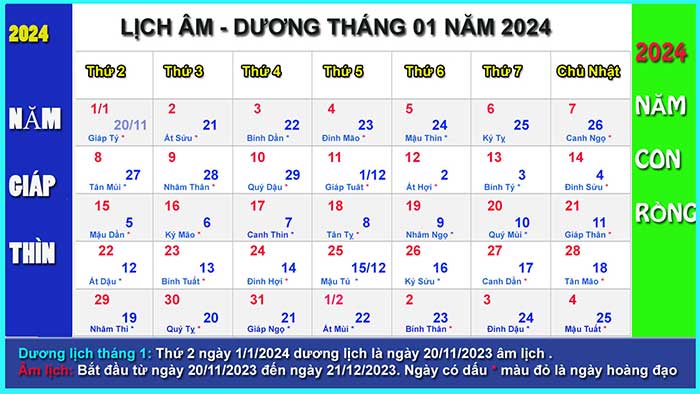
The lunar calendar is used by many cultures in Asian countries.
The main differences between the lunar and solar calendars are:
- Basis for measuring time: The lunar calendar measures time by the Moon's orbit around Earth, while the solar calendar is based on Earth's orbit around the Sun.
- Number of days in a year: A lunar year has 354 or 355 days, while a solar year has 365 or 366 days.
- Number of days in a month: Solar months have 30 or 31 days, and February has 28 or 29 days. Lunar months have 29 days (a "short" month) or 30 days (a "full" month).
- Auspicious and inauspicious days: The solar calendar makes no distinction between lucky and unlucky days. The lunar calendar, by contrast, draws on astronomical factors and traditional beliefs to classify days as auspicious, inauspicious or ordinary.
- Holidays: Both calendars have holidays throughout the year. In Vietnam, lunar-calendar holidays are held in especially high regard and are a distinctive part of the national cultural identity.
Today, Vietnam uses both the lunar and the solar calendar at the same time. The lunar calendar serves folk and cultural traditions, while the solar calendar is used for everyday life, work and school.
Why is the lunar calendar important in Vietnamese culture?
While the solar calendar is simply a tool for keeping track of time, the lunar calendar plays a very important role in Vietnamese culture because:
- It sets the traditional holidays, such as Tết Nguyên Đán (the Lunar New Year), the Mid-Autumn Festival and many other occasions throughout the year.
- In folk tradition, it is used to look up which days are considered auspicious and which inauspicious for traditional undertakings such as building a house, holding a wedding or opening a business.
- According to folk beliefs, it is used to determine a person's zodiac age sign and which age signs are considered compatible with one's own, a cultural custom rather than a scientific practice.
- It tracks the cycles of the year, linking the phases of the Moon with weather changes that affect the crops.
To this day, the lunar calendar remains a key calendar in Vietnamese life. Although many young people work with the solar calendar every day, they still regularly follow the lunar calendar to look forward to the year's major festivals.
Could humans live underground to escape climate change?
Is living underground a viable solution to an approaching climate crisis? Scientists weigh the benefits and the risks.
Where women paint their nails, wear traditional robes and take spears to the sea to hunt squid
Oman's Bedouin women fishers hunt cuttlefish, rays and octopus with simple handmade spears, but their tradition may be dying out.

Fascinating fact: The University of Oxford is older than the Aztec civilization
Did you know that the University of Oxford is more than 200 years older than the mysterious ancient Aztec civilization?

Vietnamese scientists resolve a microalgae mix-up that lasted more than a century
Vietnamese researchers have re-described the dinoflagellate Ostreopsis siamensis, ending more than 100 years of taxonomic confusion.
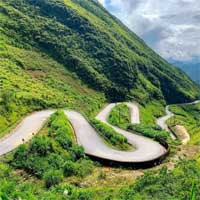
3 breathtaking, treacherous mountain roads in Hà Giang that rival Mã Pí Lèng
The winding roads of Hà Giang in Vietnam's far north, graceful as silk ribbons yet full of danger, hold a strange allure for travelers.
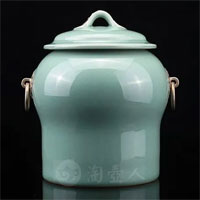
The beauty of Longquan celadon, one of the most traded treasures on the Silk Road
You don't need to be an expert to judge the value of a piece of Longquan porcelain: its glaze tells you much of what you need to know.