Lucky New Year foods from around the world
At Lunar New Year, Korean families lay out a full 20 dishes for their ancestral offering table, while a Mongolian feast centers on just 2 main dishes.
South Korea
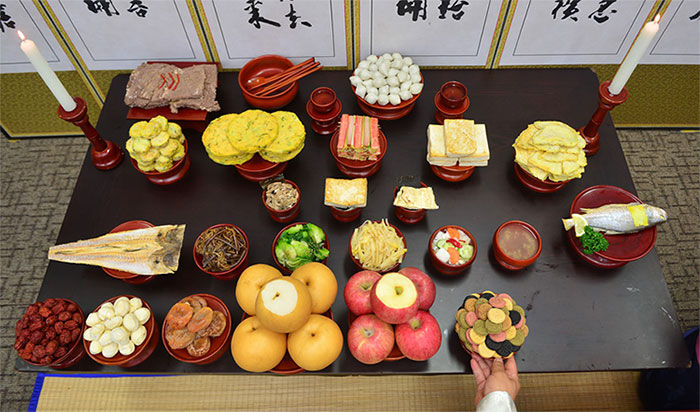
Korean cuisine is known for its beautiful, refined dishes, so it is no surprise that the ancestral offering table Koreans prepare for the Lunar New Year (Seollal) often holds more than 20 dishes. The table must always be prepared and arranged according to set rules, and tteokguk and kimchi are two dishes that can never be left out. (Photo: Travelog).
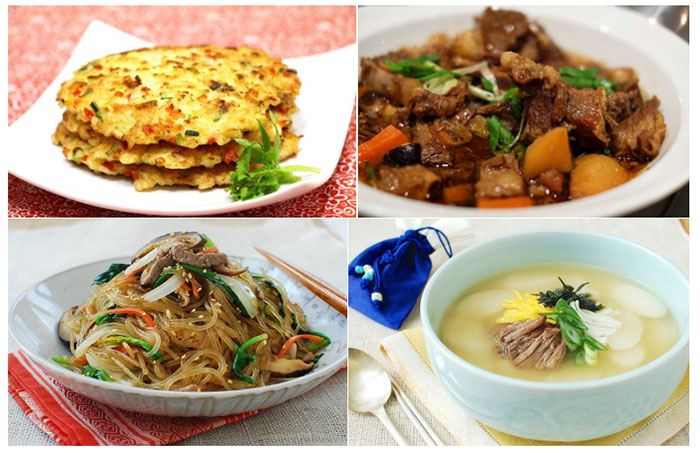
A Korean New Year table would also be incomplete without tteokguk, a rice cake soup said to bring good luck in the new year. Families also carefully prepare other dishes such as dried fish, beef, steamed dumplings, fruit, vegetables, dried persimmons and traditional cakes. (Photo: Aeri's Kitchen, Cathlyn's Korean Kitchen, Korean Bapsang, Wattpad).
China
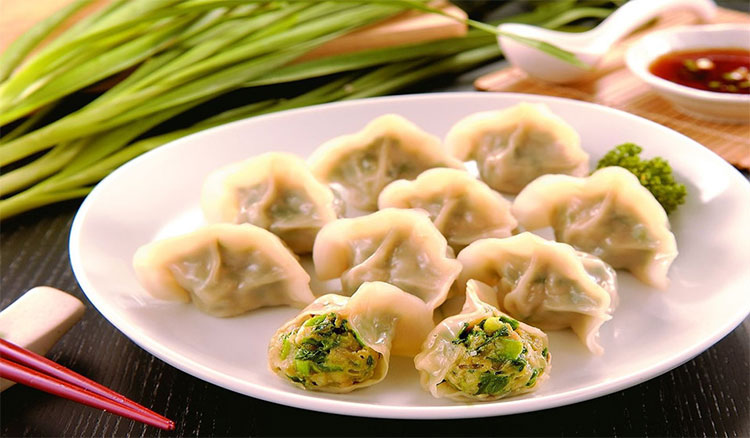
For Chinese people, dumplings symbolize a lucky charm and the hope of prosperity in the new year, which is why every Chinese family eats them on New Year's Eve. Eating them also follows an age-old ritual: the first bowl is placed on the family altar, the second is offered to the Kitchen God, and only with the third bowl does everyone start eating. (Photo: Topsimages).
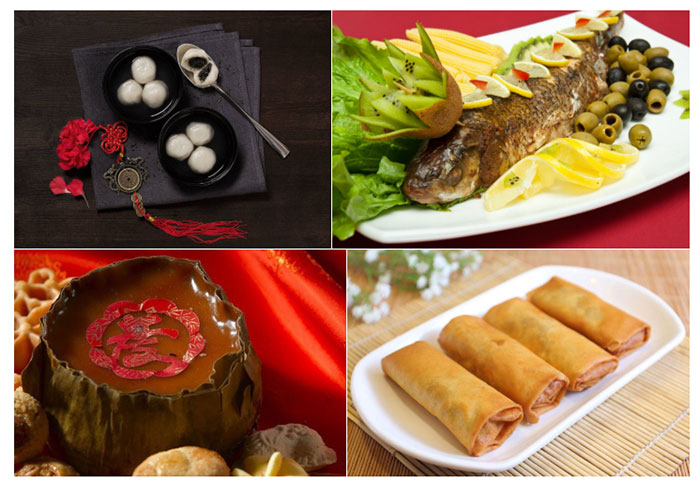
The Chinese New Year table also brings together many other dishes with different meanings, carrying wishes for good fortune and for everything to go as hoped. Sweet glutinous rice balls (tangyuan) symbolize family reunion, fish brings surplus wealth, nian gao (New Year rice cake) stands for career advancement, and spring rolls bring riches... (Photo: GoinGo, Shkodra News, Soha, Mrttw).
Mongolia
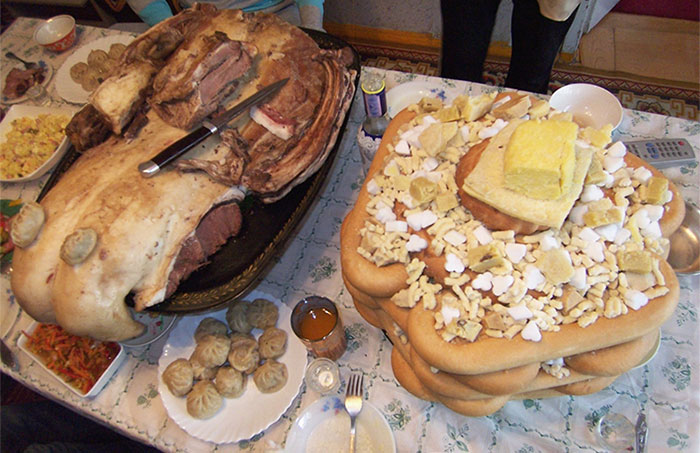
During the New Year festival, known as Tsagaan Sar, Mongolian hosts gather with relatives and children around a wooden table covered with food. Two main dishes, pastries and sweets and a rich, whole boiled sheep, are laid out to welcome guests. (Photo: Delanion).
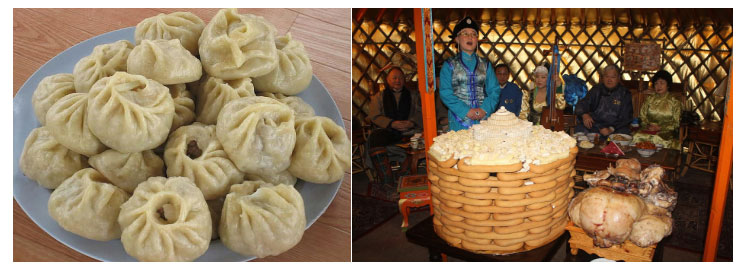
Hosts cut pieces of mutton for visiting guests, along with some dumplings, bread salad and more. The table also features large, round flour cakes stacked in layers. Mongolians believe that the more layers the cakes are stacked in, the more prosperous the family will be. (Photo: Toursofmongolia).
Singapore
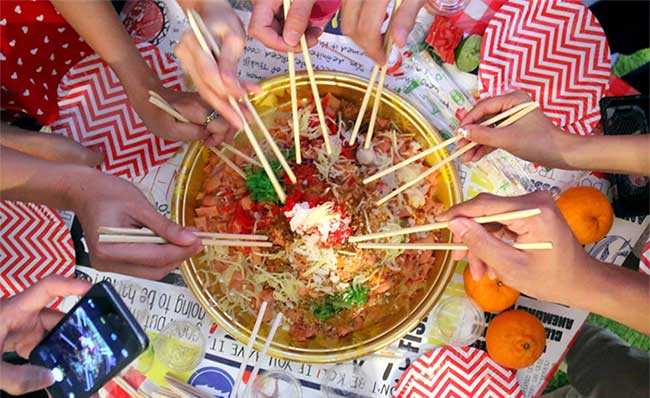
A Singaporean New Year meal has 8 main dishes. Among them, the "prosperity" dish known as lo hei or yusheng is a must. It is made from raw salmon and shredded vegetables and fruits such as papaya, taro, pomelo and ginger... Each ingredient carries its own auspicious meaning. (Photo: OnlyWilliam).
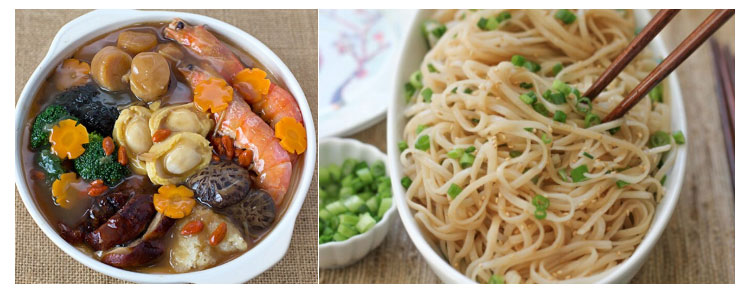
Much like in Chinese tradition, Singaporean traditional dishes such as fish and longevity noodles carry different wishes, in the hope that good things will come in the new year. Pencai (poon choi), however, is a little different in that it carries no particular symbolic meaning. Singaporeans love it for its generous portions and many premium ingredients. (Photo: Noob Cook Recipes, Wattpad).
Vietnam
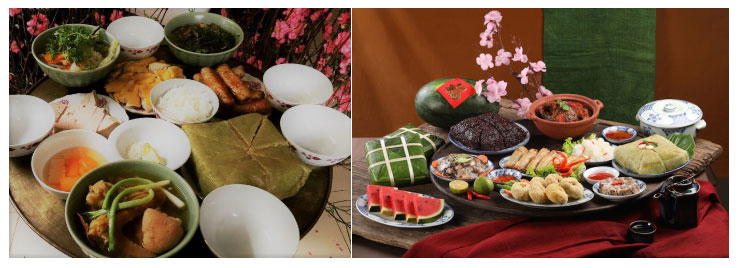
Vietnamese Tết food is diverse and varies from region to region. Yet all the dishes reflect the country's shared traditional cultural values and express deep reverence as offerings to the ancestors. Vietnamese people mainly prepare green and red dishes, which symbolize luck and prosperity. The offering tray usually holds 4 or 8 dishes, representing the four seasons and warding off bad luck in the new year. Wherever they are, bánh chưng is indispensable on the Vietnamese Tết table. The square cake is made from glutinous rice, pork, mung beans and more, ingredients that embody the essence of Vietnam's ancient wet-rice farming civilization. The meal also includes jellied meat, giò chả (Vietnamese pork sausage), boiled chicken, braised pork, bamboo shoot soup and more, each dish carrying its own meaning. (Photo: Tranlebaoquyen, VinMart Cook).
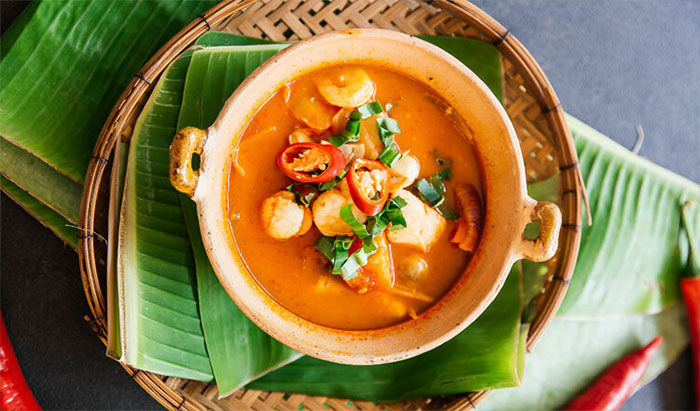
The Lao New Year is Songkran, or Pi Mai. People in the "Land of a Million Elephants" celebrate the new year late, around mid-April each year. Larb is seen as the "soul" of the New Year meal, because "lap" means abundant blessings and good luck in Lao. The dish consists of minced chicken or beef mixed with various herbs, lime juice and toasted ground sticky rice, served with sticky rice. Lao people also make larb as a gift, in place of New Year greetings and as a wish for prosperity for their loved ones. They believe that if their larb doesn't taste good, bad luck will follow them all year. (Photo: Lam Linh).
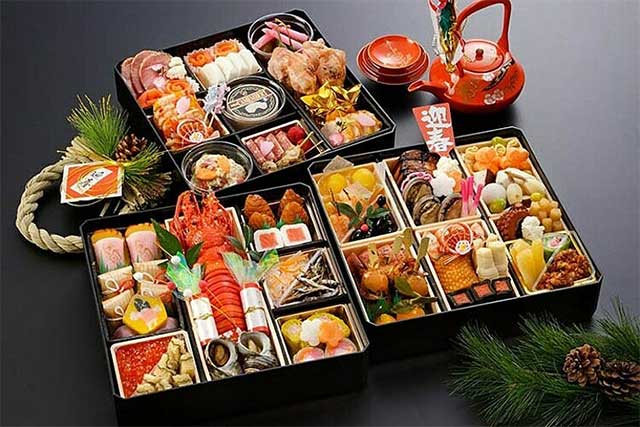
Japanese people celebrate the new year on the Gregorian calendar. Special New Year dishes, called osechi, include ozoni soup, sweet black beans, tazukuri (small dried sardines candied in sugar and soy sauce), fried shrimp, mochi rice cakes and more. Each is carefully prepared and has its own auspicious meaning. Everything is arranged in an elegant rectangular box, and the dishes vary from region to region. (Photo: Hải Yến).
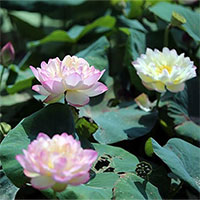
Inside the Hanoi center conserving Vietnam's rarest lotus varieties
A center in Hanoi grows, studies and conserves nearly 40 rare lotus varieties from across Vietnam and abroad.

What is the longest river in Vietnam?
Vietnam has 392 rivers. Which is the longest originating in the country, and which is the longest flowing through its territory?
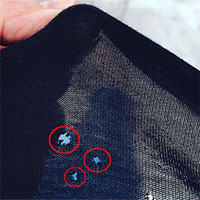
The mystery of those annoying holes in your T-shirts: Why do they appear after just a few wears?
Cheap or expensive, most T-shirts eventually get tiny holes near the hem. The main culprit is friction, along with fiber quality.
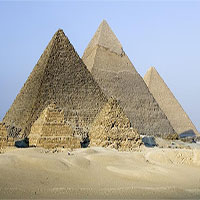
The Great Pyramid of Kheops can concentrate radio waves, physicists calculate
Calculations by German and Russian physicists suggest the Great Pyramid of Kheops can concentrate electromagnetic energy in its inner chambers.

8 fascinating facts about Sơn Đoòng, the world's largest cave
Sơn Đoòng, in Vietnam's Phong Nha-Kẻ Bàng National Park, is widely regarded as the largest natural cave ever discovered. Here are 8 facts about it.