What do Asian countries eat for the Mid-Autumn Festival?
When it comes to Mid-Autumn Festival food, mooncakes are impossible to leave out. Let's take a tour around Asia to see the tempting mooncakes each country has to offer.
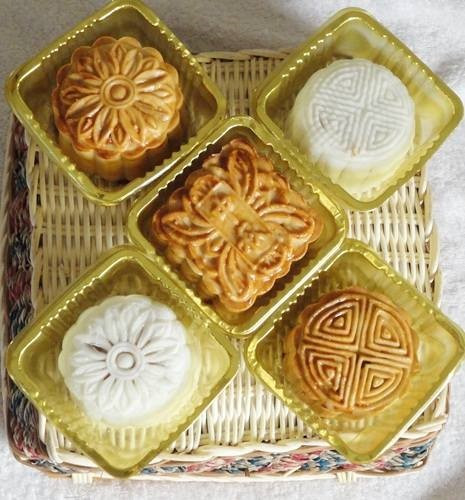
Vietnamese mooncakes come in two types: bánh nướng (baked) and bánh dẻo (soft sticky-rice cakes). The white crust of bánh dẻo is made from glutinous rice flour mixed with sugar and is very sweet, while the crust of bánh nướng is made from leavened wheat flour mixed with eggs and rice wine, then baked to a golden brown. (Photo: Tuisme.blogspot).
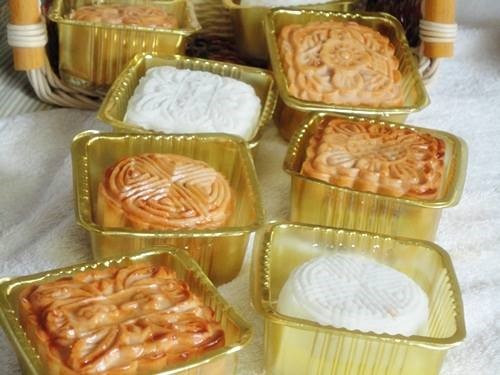
Traditional Vietnamese mooncakes are fragrant and delicious, with a mixed filling of lotus seeds, pork fat, sesame, Chinese sausage, mung beans and lime leaves blended together into a sweet, rich flavor. Mooncakes are usually round, symbolizing the full moon, family reunion and the longing for happiness. (Photo: Tuisme.blogspot).
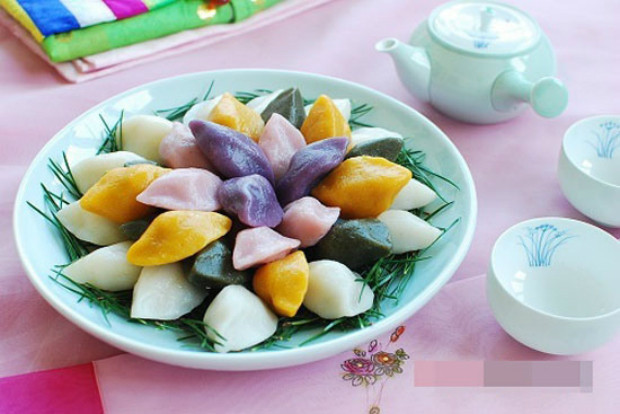
Songpyeon is the name of Korea's Mid-Autumn rice cake, a half-moon-shaped rice cake. Songpyeon are made by mixing rice flour with hot water. The dough is then kneaded and wrapped around fillings such as mung beans, black sesame, chestnuts or others before being steamed. (Photo: Koreanbapsang).
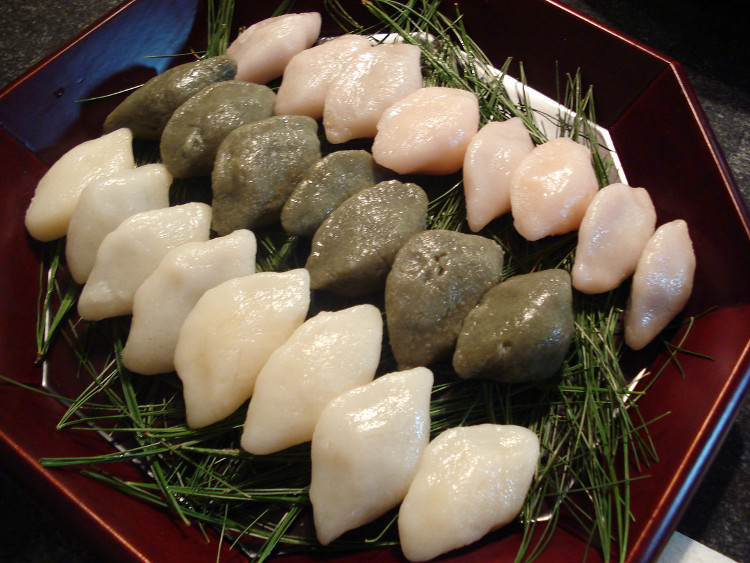
Cooked songpyeon are laid on a bed of fresh pine needles to keep their shape and give them a distinctive aroma. Besides the traditional white, the cakes come in many attractive colors: pink from berries, deep green from mugwort, yellow from pumpkin... The finished cakes are soft, chewy and lightly sweet, carrying the scent of fresh pine. (Photo: Twinrabbit).

Durian snow-skin mooncakes can be called the signature mooncake of Singapore. Most people there love the durian flavor of these cakes. (Photo: Wanderluxe).
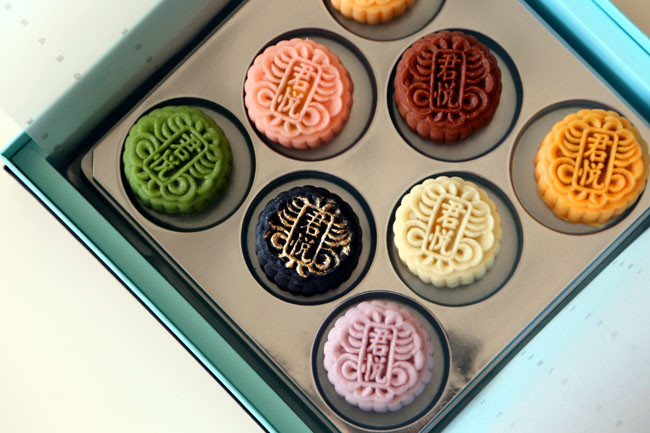
Durian snow-skin mooncakes and other Singaporean mooncakes are variations of the Chinese "snow skin" mooncake. Not just white, Singapore's mooncakes come in a wide range of colors. The skin usually matches the filling: yellow for durian, pink for taro, green for green tea... (Photo: Danielfooddiary).
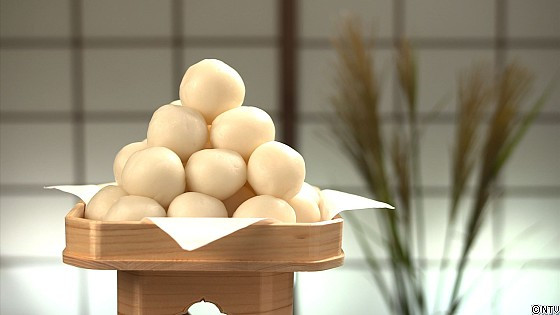
Japan's Mid-Autumn cake is Tsukimi Dango (usually just called dango) - a rice-flour dumpling quite similar to mochi. It comes in various shapes, but round is the most common. (Photo: Tokyopic).
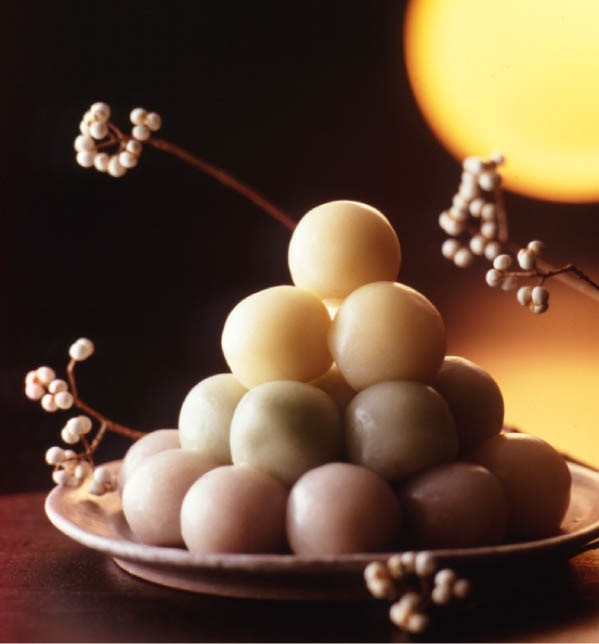
At Mid-Autumn, Tsukimi Dango are stacked into a pyramid on a wooden stand. Each "dango tower" has about 15 pieces. Next to the "tower" stands a vase of susuki grass, and other fruits may be displayed as well. (Photo: Tokyopic).
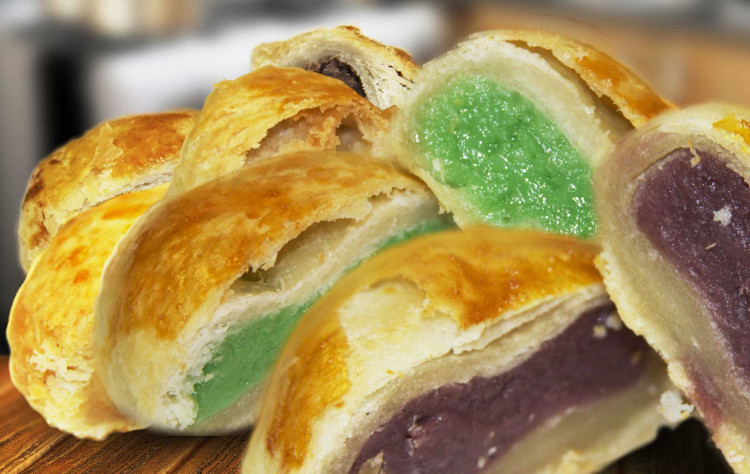
Hopia is the name of the mooncakes of the Philippines. These are simple baked pastries, without bright colors or elaborate patterns, but they are hugely appealing thanks to their varied, delicious fillings. (Photo: Hopialikeit).
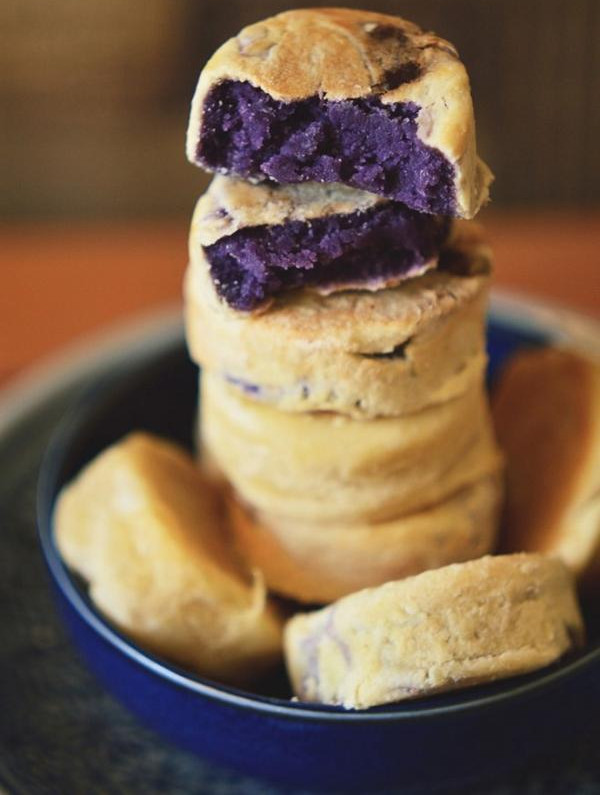
There are many versions of hopia, such as hopiang mungo (mung bean pastry), hopiang baboy (pork pastry), hopiang hapon (Japanese-style pastry) and hopiang ube (purple yam pastry)... (Photo: Picssr).
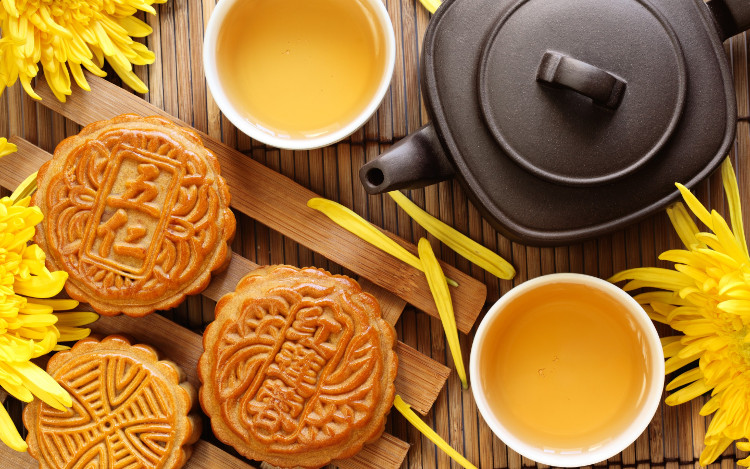
Chinese mooncakes are usually round, symbolizing "reunion", a meaning dating back to the Ming dynasty. Today mooncakes come in more shapes, including squares and animal figures, and are made with many new and enticing ingredients. (Photo: Thinglink).
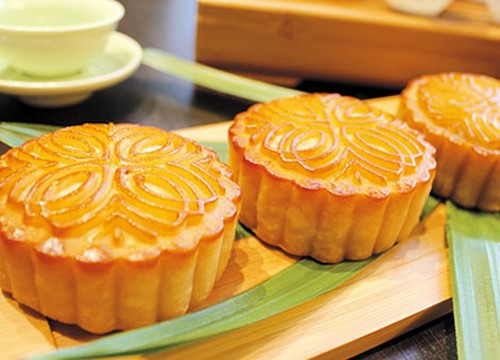
Traditional mooncakes in China (yuebing) are mainly baked, unlike Vietnam's soft sticky-rice bánh dẻo. Their tops are often stamped with Chinese characters carrying auspicious meanings for the festival of reunion. Traditional flavors include mung bean, red bean, green tea, taro... These cakes are also commonly made in Malaysia and Taiwan. Today, yuebing are made in many more shapes and with novel, unusual fillings. (Photo: Visitbeijing).
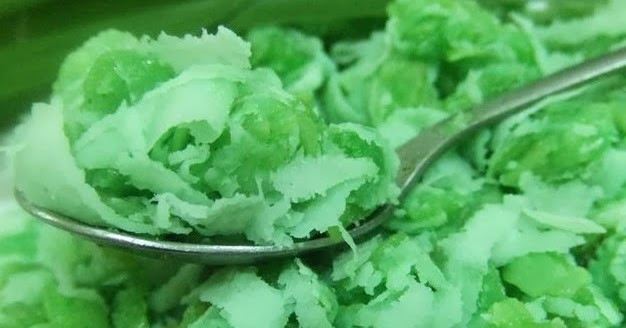
Cambodia's moon-viewing festival takes place considerably later, usually on the full moon of the 10th lunar month rather than on the 15th day of the 8th month as in other countries. The festival is called Ok Om Pok, held at night, and its famous offering is flattened green rice (ambok).
Cambodian flattened green rice is made from young rice grains still full of milk, with the characteristic fragrance of young rice, mixed with fresh coconut water and sugar to create a beautiful, famously fragrant green rice treat. After harvesting and sun-drying, the young rice is sorted to keep the milky-white grains, which are pounded evenly without crushing them and then cooked like rice. Once cooked, the grains are pressed flat and sun-dried or roasted until dry. If the dried grains are used for cakes, they are cooked with coconut water and flour; otherwise they are stored to be eaten gradually or given as gifts. With the first bite you taste the rich aroma of young rice, and eaten with grated coconut it becomes irresistibly rich and nutty. Flattened green rice is not only a traditional Mid-Autumn treat in this country, but also an expression of the local people's cultural heritage.(Photo: Dulich9).
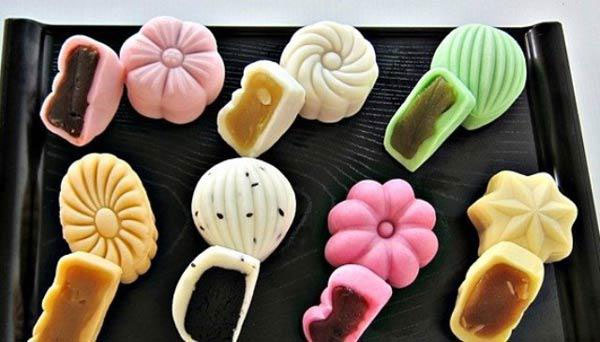
Malaysia: In Malaysia, two famous mooncake brands are Casahana and Baker’s Cottage. Their mooncakes come in many colors and a wide variety of flavors, such as Japanese azuki red bean or Omochi white lotus. They are made mainly with plant-based ingredients and are moderately sweet.
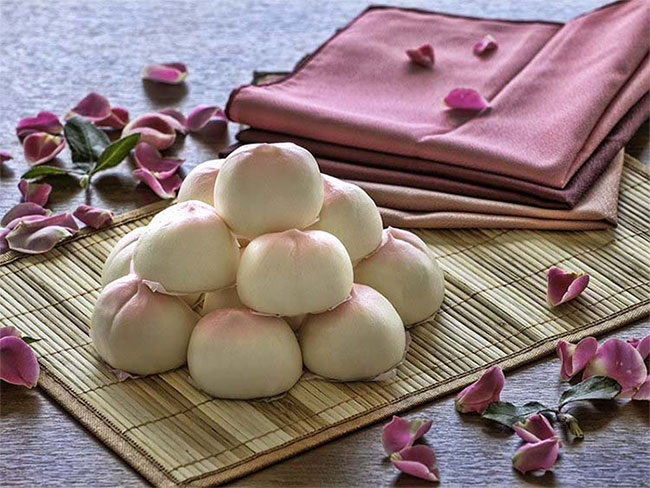
According to Thai legend, on the night of the Mid-Autumn Festival the Eight Immortals travel to the Moon Palace to deliver peach-shaped cakes and birthday wishes to Guanyin, a bodhisattva. That is why Thai mooncakes are shaped like peaches. On the festival day, all family members, men and women, children and elders alike, sit together around a table with offerings to the moon, praying together and exchanging good wishes.
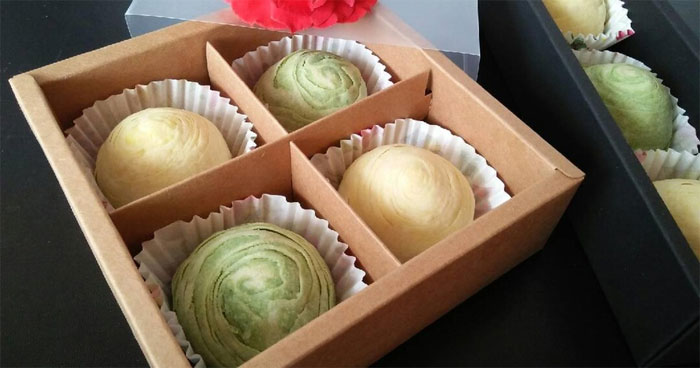
Taiwan (China): For the people of Taiwan, Mid-Autumn is an important occasion for reunion and family gatherings. Flaky thousand-layer mooncakes win fans with their refinement and delicate, modern flavor. The cakes are round, with an outer crust made of many layers rolled around each other. The filling is usually taro and red bean. (Photo: Cookpad).
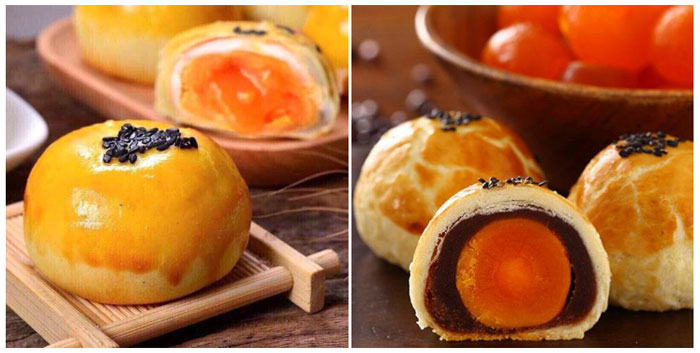
Thanks to creativity, salted egg yolk and molten custard fillings have since been created, becoming a craze among foodies. (Photo: Dacsandailoan, Voso).
Unique Mid-Autumn Festival customs around the world
Vietnam is not alone: many other places in Asia also celebrate the Mid-Autumn Festival on the 15th day of the eighth lunar month.

Decoding Vietnam's “ma đưa” ghost-led phenomenon and how to survive when lost in the forest
Vietnamese folklore abounds with eerie tales of “ma đưa,” being led astray by ghosts. Psychology explains it, and these skills help you get out alive.
Where does the Mid-Autumn Festival come from?
Every year on the full moon of the eighth lunar month, children eagerly prepare for their big day of moon-watching and feasting with friends.

The 8 longest rivers in Vietnam
Vietnam's heavy rainfall has created a vast network of waterways, with around 2,360 rivers and canals, large and small.
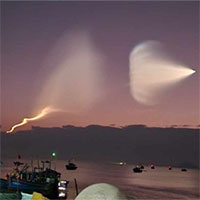
Expert explains the funnel-shaped vapor trail in the sky over Thanh Hóa
A strange vapor streak seen near the horizon over the former Hậu Lộc district in Thanh Hóa, Vietnam, was caused by jet engine exhaust, experts say.
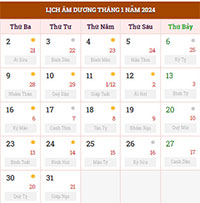
How do the lunar and solar calendars differ?
The lunar calendar is a key part of East Asian tradition. Here is how it differs from the solar calendar and why it matters in Vietnam.