20 Survival Skills for When You're Lost in the Forest
You love trekking through forests, exploring the wonders of nature and wildlife and listening to the rustle of the wind... then, absorbed in exploring, you suddenly realize you are lost deep in the woods with no way out in sight, and night is falling, making you even more anxious. What should you do?
Forest survival tips
- 1. Don't panic when you get lost in the forest
- 2. Get your bearings
- 3. Stay in one place
- 4. Build a fire
- 5. Signal for rescue
- 6. Get to know the area around you
- 7. Find clean water
- 8. Purify water
- 9. Find shelter
- 10. Find safe food
- 11. If you fall into a swamp
- 12. When lost, look for small streams
- 13. When a bomb explodes
- 14. Always carry matches with wax-coated heads
- 15. Dealing with frostbite
- 16. Use natural essential oils to reduce mosquito bites
- 17. Sleep on a raised bed to avoid hypothermia
- 18. Collect morning dew with grass
- 19. Use bubble wrap or leaves to keep warm
- 20. Wrap a plastic bag around a branch to collect water
Before setting out to explore forests and mountains, each of us should learn 4 preparation steps and the forest survival skills we will need if we are ever unlucky enough to get lost deep in the woods.
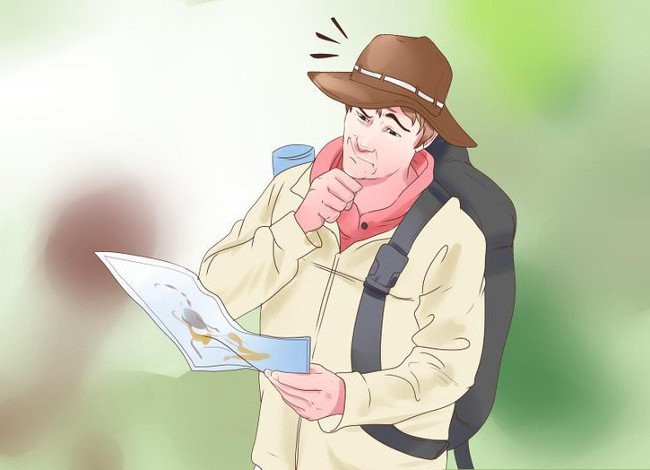
Here is what the 4 preparation steps involve. Before heading anywhere, the first and most essential thing is to research the area you are going to explore. You can look it up online or on a map of the area, and you should keep that map with you throughout the trip, which will help you avoid getting lost in the forest. Knowledge of the local flora and fauna (such as which plants are edible and where dangerous animals live so you can avoid them) is also extremely important.
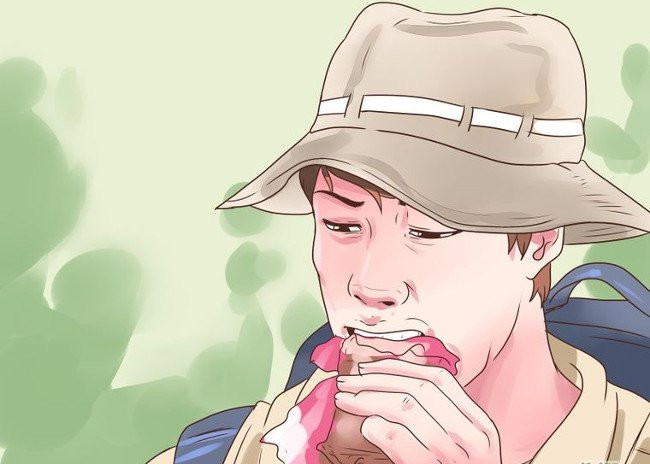
Before each trip, make sure you have eaten and drunk well. You should also tell your family and the people around you about your planned trip, including the location and your expected departure and return times, so that if you get lost deep in the forest, someone will know and can call the police and rescue services.
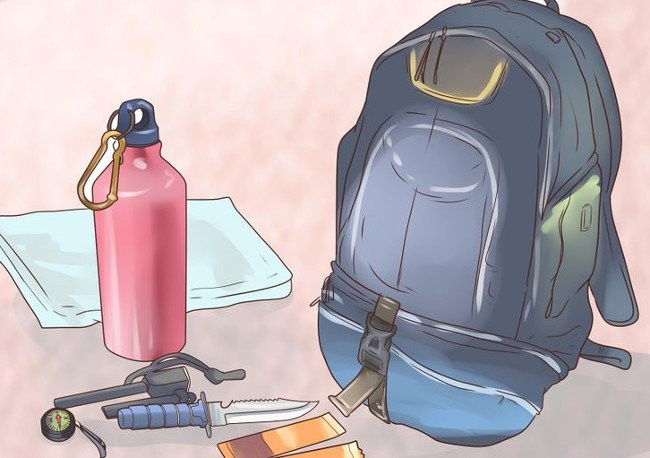
Bring gear that will help you survive in the forest, such as a knife, steel wire, a whistle, a space blanket (thin and light but very good at retaining warmth), a signal mirror, matches in a waterproof container and a compass... Don't forget a personal first-aid kit and medicines, because you can never predict what will happen deep in the forest.
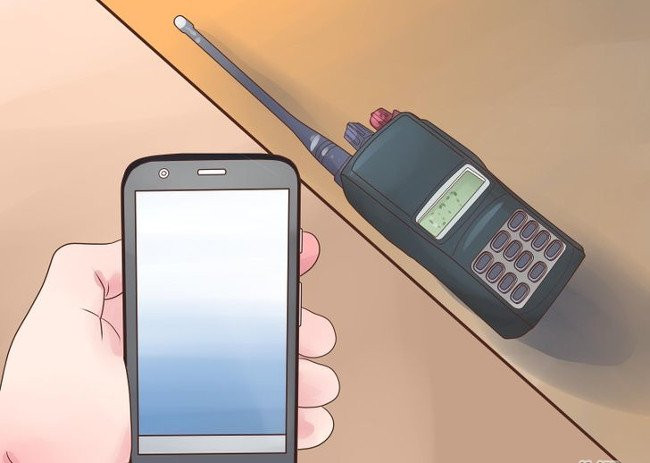
And always carry a phone with a backup power bank so you can get in touch when needed, along with a device that can transmit radio signals. These essentials can save your life if you get lost or injured.
With careful preparation plus the 20 survival skills below, if you are unlucky enough to get lost in the forest, you can survive and find help to get out.
1. Don't panic when you get lost in the forest

To survive when lost deep in the forest, the first thing you need is to stay calm and assess the situation, so you can help yourself survive and quickly find help.
Panicking won't solve your problem; it will drain your energy, unsettle your mind and may put you in greater danger deep in the forest. When you realize you are lost, the first thing to do is stop, take a deep breath and stay calm. Follow the STOP principle:
- S – Sit down.
- T – Think.
- O – Observe your surroundings.
- P – Prepare for survival by gathering materials and working out a solution with the items you carry.
2. Get your bearings
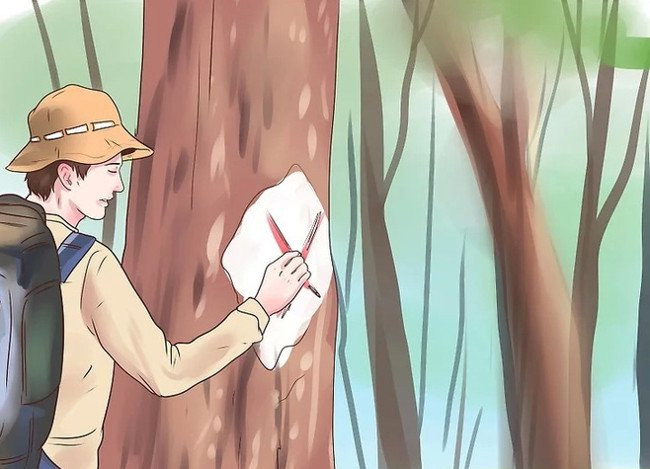
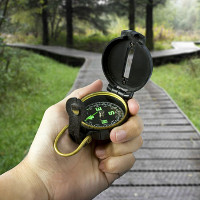
Any spot in the forest can look unfamiliar, so mark the places you have passed with a piece of cloth, a sheet of paper or anything that can be seen from a distance. Work out directions from where the sun rises and sets, and use a compass (clockwise from the 12 o'clock position, the points are North – East – South – West) to find your way out.
3. Stay in one place
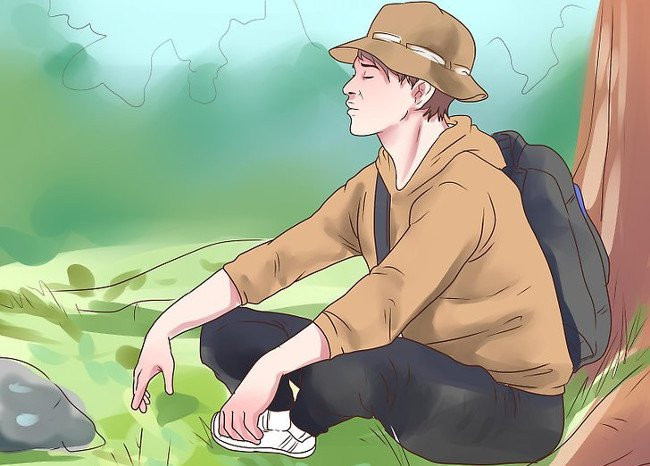
If you feel tired and exhausted, the best thing to do is stay put to conserve your strength. This not only reduces the amount of water and food your body needs but also increases your chances of being found. Sit down and rest. If you are in a group, never split up, because there is strength in numbers and it will help you survive in any situation.
Protect your skin by rolling down your sleeves, wearing long trousers and covering your face to avoid insect bites. Treat wounds as soon as possible; leaving them untreated makes infection more likely.
4. Build a fire
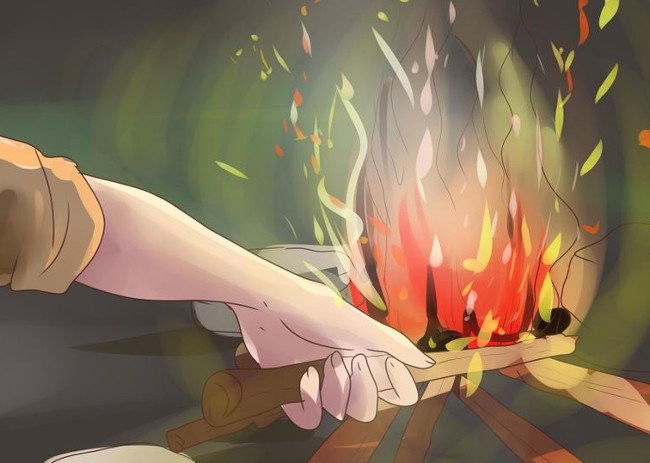
Gather dry wood from around you, split it into 3 piles and light a fire to keep warm when night falls; don't assume this is unimportant just because the weather is warm. Burn a little wood at a time to save fuel and avoid starting a forest fire. Once the fire is burning steadily, you can add some fresh green branches to make smoke and attract the attention of rescuers.
In some films, the hero finds a cozy little cave. A bit of tidying, some firewood and a fire later, there is a snug, idyllic shelter like no other.
But do that in real life and you may pay the price. The heat of a fire warms the rock on the cave ceiling, causing it to expand and making rockfalls more likely. So lighting a fire inside a cave is unsafe, unless the cave is the size of a building.
The best place to light a fire is outdoors, in an open area.
5. Signal for rescue
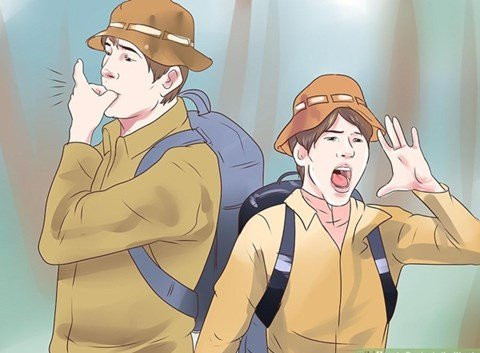
Signal for rescue by whistling, shouting or banging rocks together. Mark your location so that others can see it from above. If you are on a mountain, make 3 piles of leaves arranged in a triangle; in a desert, draw a large triangle in the sand. Anything involving the number 3 is a standard distress signal in the wilderness.
For example, you can signal with fire, using 3 fires in a straight line or in a triangle. You can also blow a whistle 3 times or flash a mirror in the sunlight 3 times.
You can also create a "trail" by marking it with stones or strips of clothing. Avoid marking your route with food or fruit, as this can attract wild animals, which is very dangerous.
6. Get to know the area around you
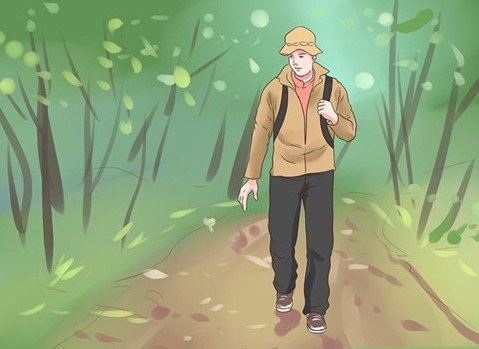
Although moving around a lot is not recommended when you are lost in the forest, if possible you should explore your immediate surroundings to get a sense of the area; you might find something useful that helps you get out.
Make sure you can find your way back to your starting spot when you go looking for water, shelter or the way home.
7. Find clean water
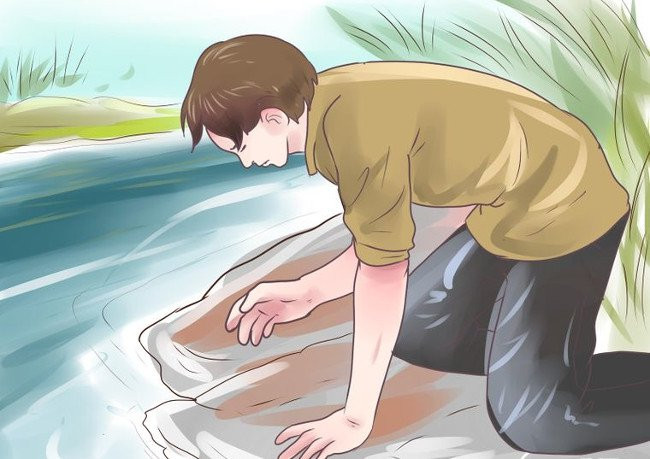
Water is essential to our bodies. Typically, the human body can survive about 3 days without water, but without it we become dehydrated, gradually lose strength and cannot survive, so try to find streams nearby to supply your body with water.
Survival guides suggest you can locate water by looking for dense concentrations of insects. Bees usually build their nests within a few miles of a water source, and flies usually stay within about 100 m. You can also watch nearby birds, as they like to fly around freshwater sources, and large erosion marks in the ground may lead to a stream.
If that fails, you can drink dew: spread a cloth out in the dew and wring out the water. You may also find water in rock crevices.
8. Purify water
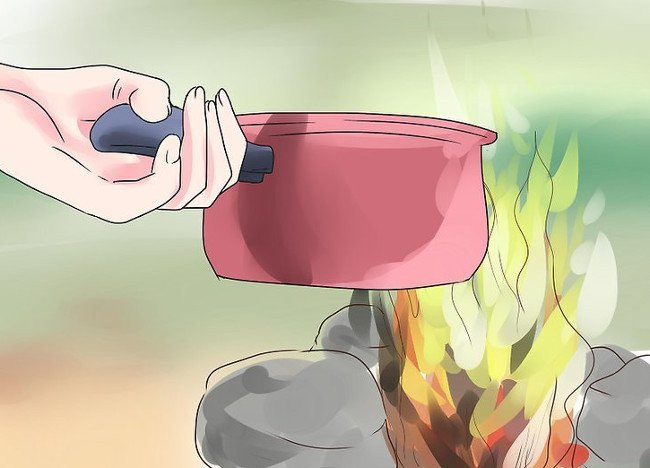
When packing at home, bring a water purification tablet or a small pot so you can boil water anytime, anywhere. If you have neither, you can pour water into a plastic bottle and leave it in the sun for 6 hours to kill bacteria and other organisms in the water. In the most desperate situation, you must still keep drinking water to stay alive and avoid becoming completely exhausted.
9. Find shelter
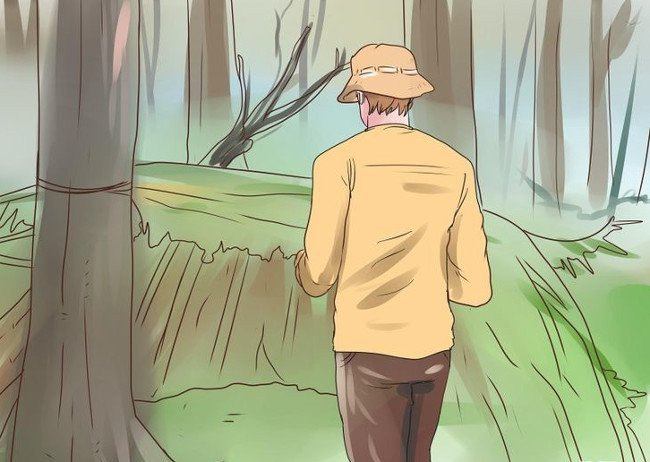
Find a fallen or leaning tree trunk; you can make a place to lie down by arranging large branches into a frame and covering it with forest leaves. If possible, look for a cave, but make sure it is not home to bears, leopards, snakes... or other unfriendly animals.
Make sure your shelter can still be found by others. Don't spend too much energy building a perfect shelter, but do make your sleeping spot good enough to keep your body warm.
10. Find safe food
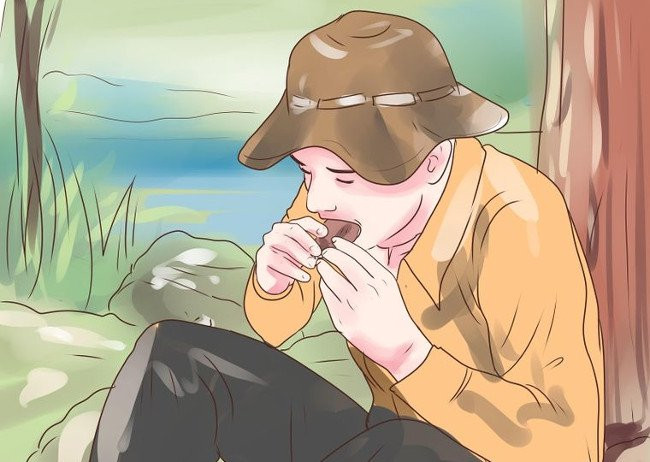
Most healthy adults can survive up to 3 weeks without food in warm weather. Being hungry but healthy is better than being sick. So make sure what you eat is safe before you put it in your mouth.
Don't be afraid to eat insects and other bugs. Eating certain grasshoppers may seem disgusting, but it beats dying out here with no one knowing; these insects provide useful nutrients that help your body survive.
All insects must be cooked or roasted, because they can carry parasites into your body that could kill you. Do not eat any caterpillars, brightly colored insects, or any insect that can bite or sting you. Remove the legs, head and wings of any insect before eating it.
If you are near water, fish is a good option. Avoid eating any mushrooms or berries you come across, no matter how hungry you are. Many forest fruits are poisonous, especially white ones.
Also note that you should not store food such as river fish, as it can attract wild animals.
11. If you fall into a swamp
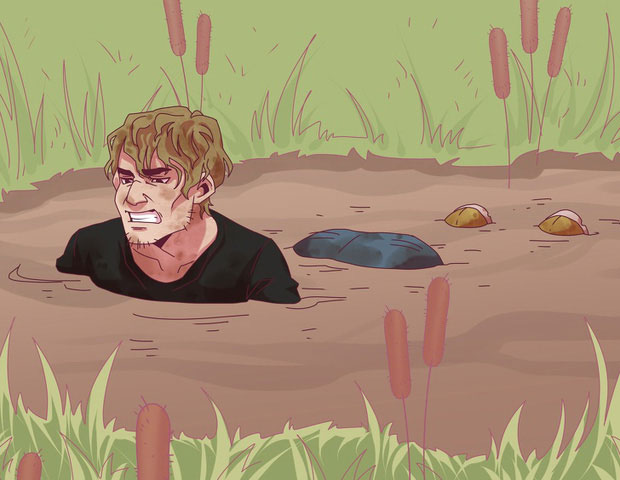
If you fall into a swamp or have to swim through muddy water, it will be very hard to swim normally. In this situation, arch your back and keep your head up.
This position lets you get air more quickly and hold more of it in your lungs.
12. When lost, look for small streams
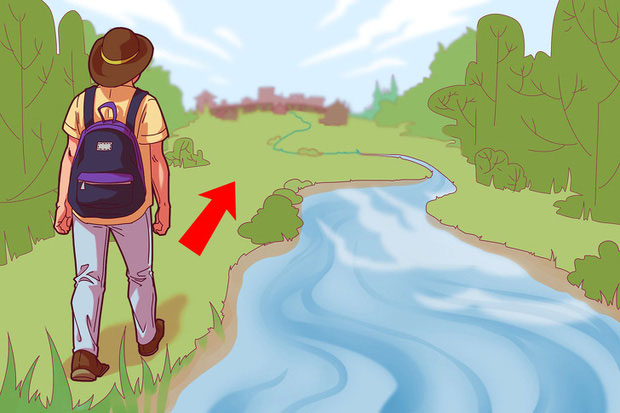
Small streams flow into bigger rivers, which often lead to inhabited areas.
However, this trick doesn't always work. People do tend to live near rivers, but depending on the length of the river, it could take you weeks to find them. So if you don't know the geography of the area well, stay where you got into trouble. That is where rescuers will search first, so try to wait.
13. When a bomb explodes

If you live in a peaceful country, you have probably never imagined facing a bomb, right? But if it ever happens, the best thing to do is lie face down on the ground, cover your head with your hands, cross your legs and, above all, open your mouth wide.
Lying this way improves your chances of survival if objects fall on you. Opening your mouth helps equalize pressure so the blast does not damage your lungs and eardrums.
14. Always carry matches with wax-coated heads
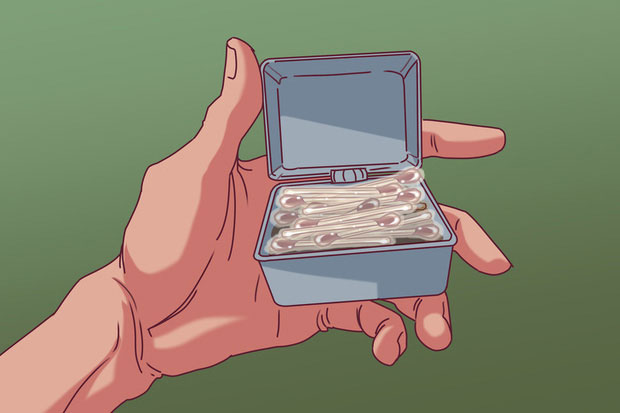
Ideally, keep your matches in a metal container. If they are in a paper or plastic box, make sure you have coated the head of each match with wax.
Survival experts consider this an important precaution, because fire is a priority in life-or-death situations. Coating match heads with wax keeps them from getting wet if they fall into water. When you need one, just scrape off the wax.
15. Dealing with frostbite
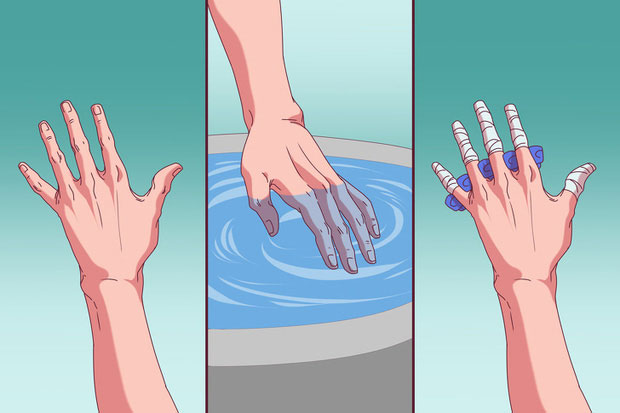
"Frostbite" refers to tissue damage caused when part of the body is exposed to extremely low temperatures. Frostbite can be so severe that the affected part dies and later has to be amputated.
If you are unlucky enough to find yourself in this situation, first warm the surrounding area with warm (not hot) water, then soak a cloth bandage in warm water and apply it to the frostbitten area. Never plunge your hand directly into hot water, as that will only make things worse.
16. Use natural essential oils to reduce mosquito bites
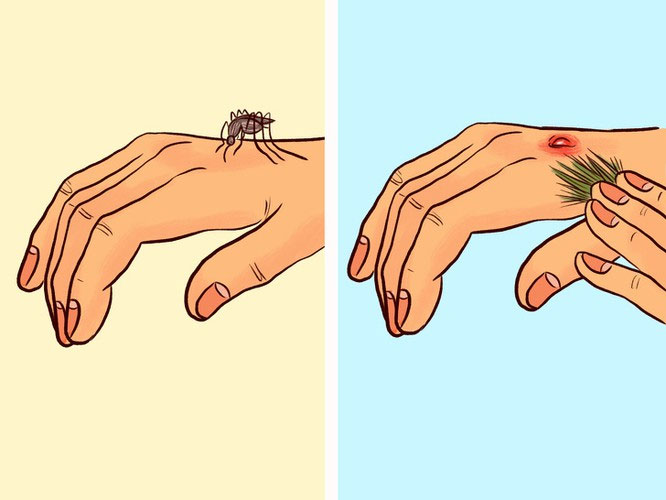
You can use natural remedies to ward off mosquitoes in the wild. Pine oil, with its distinctive scent, may help deter mosquitoes and some ticks. Similarly, lemongrass leaves may also help repel insects.
17. Sleep on a raised bed to avoid hypothermia
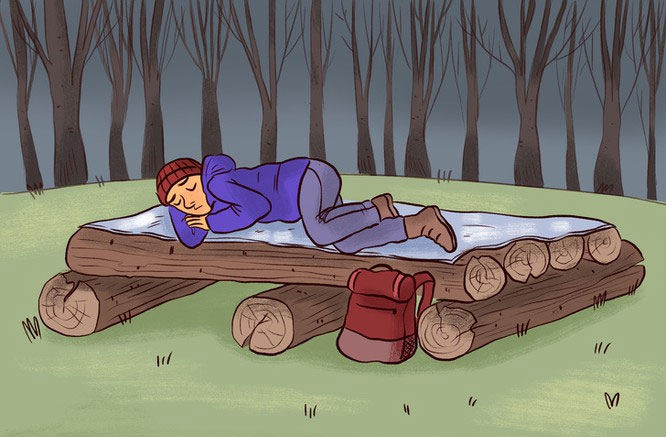
Besides finding food and water, protecting yourself is very important. If you find a cave or shelter, insulate your body from the cold ground by sleeping on a raised surface to avoid hypothermia.
18. Collect morning dew with grass
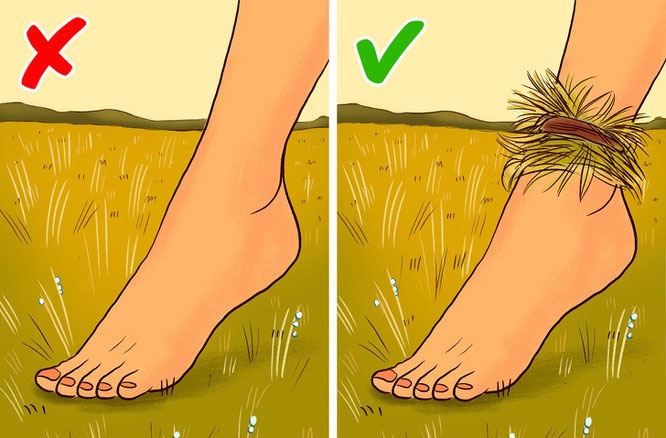
This technique is often used by Aboriginal Australians when walking long distances without carrying water. They braid grass into rings and tie them around their ankles while walking before sunrise, so the grass catches dew that collects as water.
19. Use bubble wrap or leaves to keep warm
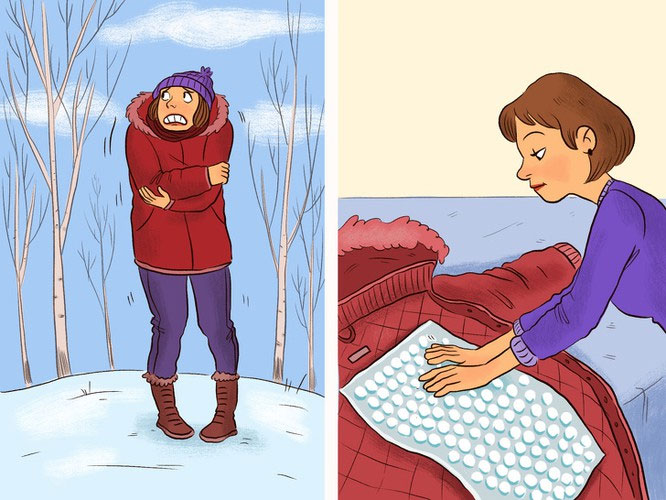
It may sound absurd, but this is an extremely useful tip for camping in cold weather. Bubble wrap traps a layer of air, acting as an excellent cushion. Bubble wrap is even used to insulate windows in winter. If you don't have any with you, dry leaves can be used instead.
20. Wrap a plastic bag around a branch to collect water

Finding fresh water to drink is the top priority when you are lost in the wilderness. Without water, the body quickly weakens and can even die of exhaustion. Fortunately, water in nature can be condensed easily with simple methods. You can wrap a plastic bag around any tree branch exposed to sunlight, and the fresh water that condenses may be enough to sustain you.

Inside the Hanoi center conserving Vietnam's rarest lotus varieties
A center in Hanoi grows, studies and conserves nearly 40 rare lotus varieties from across Vietnam and abroad.

What is the longest river in Vietnam?
Vietnam has 392 rivers. Which is the longest originating in the country, and which is the longest flowing through its territory?

8 fascinating facts about Sơn Đoòng, the world's largest cave
Sơn Đoòng, in Vietnam's Phong Nha-Kẻ Bàng National Park, is widely regarded as the largest natural cave ever discovered. Here are 8 facts about it.