Prehistoric human remains unearthed in Southeast Asia's largest volcanic cave system
Painstaking excavations by archaeologists and geologists have uncovered dozens of ancient human remains in the Chư Bluk volcanic cave system, the largest in Southeast Asia, located in the former Krông Nô district of the former Đắk Nông province (now part of Lâm Đồng province) in Vietnam's Central Highlands.
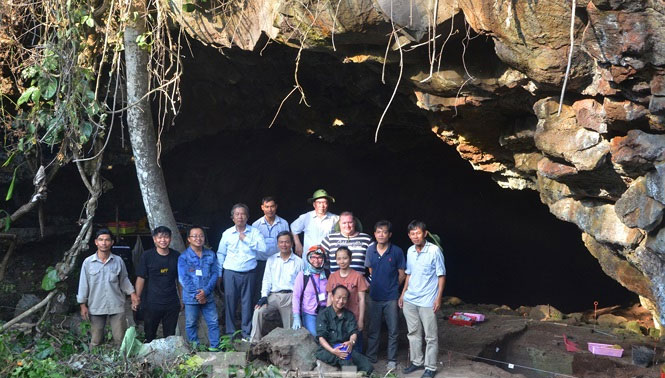
The research team at cave C6-1
Speaking to reporters on 15 August 2019, Associate Professor Nguyễn Lân Cường, secretary general of the Vietnam Archaeological Association, said the findings on the prehistoric human remains in the Chư Bluk volcanic cave system would be officially announced in two months.
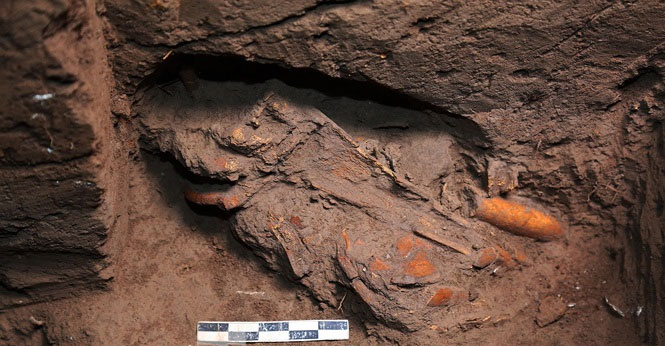
The third burial found
For now, however, he could already confirm that the discovery of ancient human remains in the volcanic caves of the Central Highlands (Tây Nguyên) is a major achievement for Vietnamese paleoanthropology and an important discovery by Vietnamese scientists.
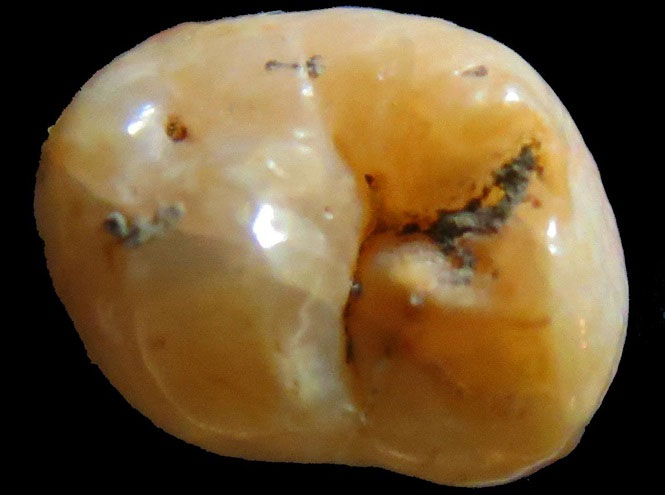
An upper third molar, the first ancient human remain discovered in the Central Highlands
In late 2007, Dr. La Thế Phúc of the Vietnam National Museum of Nature, together with local tour guide Nguyễn Thanh Tùng, discovered a series of volcanic caves in Krông Nô.
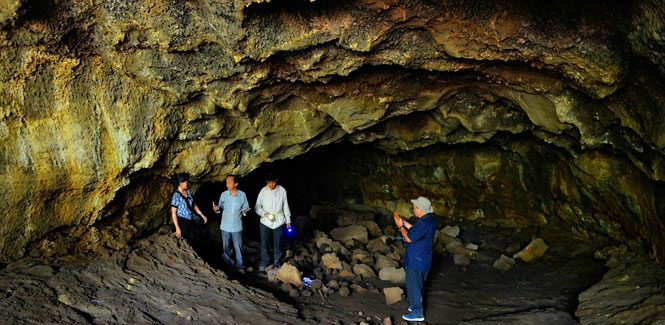
Associate Professor Nguyễn Lân Cường speaks with a reporter inside cave C6-1
It was not until seven years later that a scientific project on the discovery was officially launched. Titled "Research on the value of cave heritage and proposals for building museums and in-situ conservation in the Central Highlands, with the volcanic caves of Krông Nô, Đắk Nông as a case study", it was led by the Vietnam National Museum of Nature under the Vietnam Academy of Science and Technology. Dr. La Thế Phúc served as project leader, with Associate Professor Nguyễn Trung Minh as deputy leader.
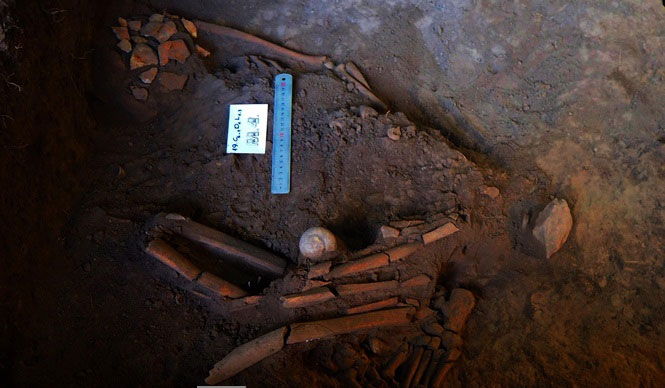
Another set of remains discovered
Because the project involved archaeology, the museum's director, Associate Professor Nguyễn Trung Minh, invited several scientists from the Vietnam Archaeological Association to take part.
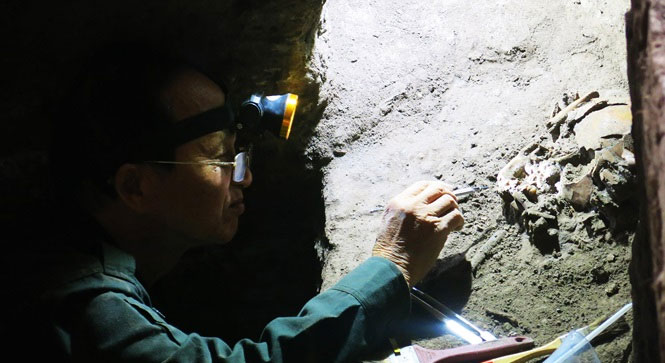
The archaeological work is extremely meticulous and arduous
In cave C6-1, the scientists found the first set of remains: a prehistoric 4-year-old girl buried in a seated position with her knees drawn up to her chest. Not far away lay another skeleton that showed signs of secondary burial. The reconstruction had to be done with great care, as the limb bones were as thin as chopsticks.
The finger and toe bones were as tiny as black beans, and the skull had broken into more than 100 fragments. According to the latest radiocarbon (C14) analyses carried out in the U.S. and Russia, the grave dates to 6,100 years ago.
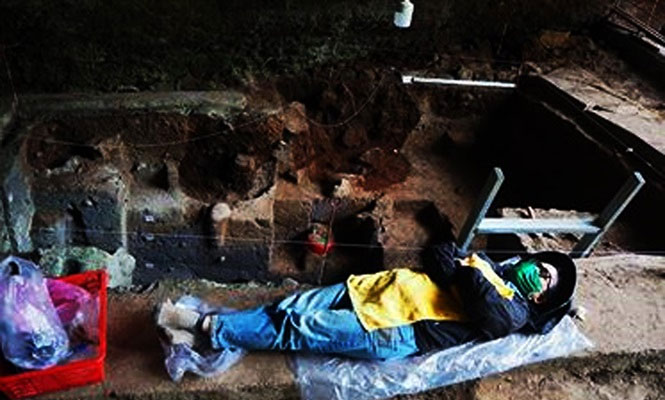
An exhausted midday nap for scientists in their 70s, some nearly 80, right at the edge of the excavation pit
As of 2018, three graves containing human remains had been found in cave C6-1, and traces of at least 10 more individuals had turned up in the excavation pit, including five newborns, one adolescent and four adults.
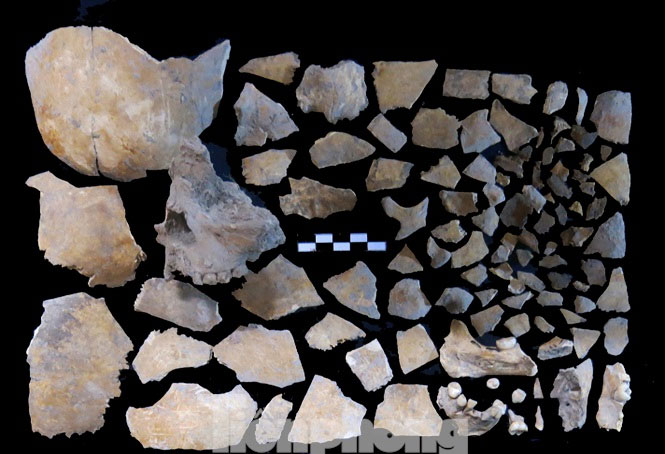
Skull fragments of the prehistoric 4-year-old girl before reconstruction
The latest excavation at cave C6-1, during the 2019 dry season, yielded many new findings. Most importantly, the team fully excavated two adult skeletons buried in a flexed, knees-to-chest position, a burial practice characteristic of prehistoric people. This is solid evidence for investigating the ancestry of the ancient people who lived in the Central Highlands, a question that has never been answered.
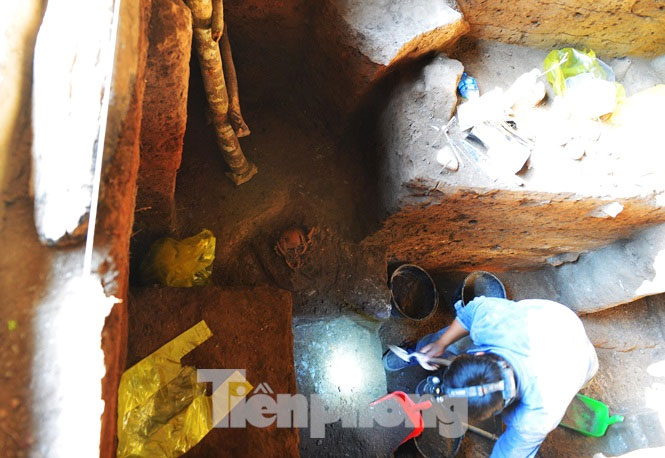
Archaeologists work tirelessly in the deep, dark caves, heedless of their age, sun or rain
"We contacted a number of foreign scientists, from the U.S., China, Japan, Australia, Indonesia and elsewhere, for their opinions... All of them said that ancient human remains had never been found in volcanic caves. Finding prehistoric human remains in a volcanic cave is a discovery unprecedented in the world," Associate Professor Nguyễn Lân Cường said.
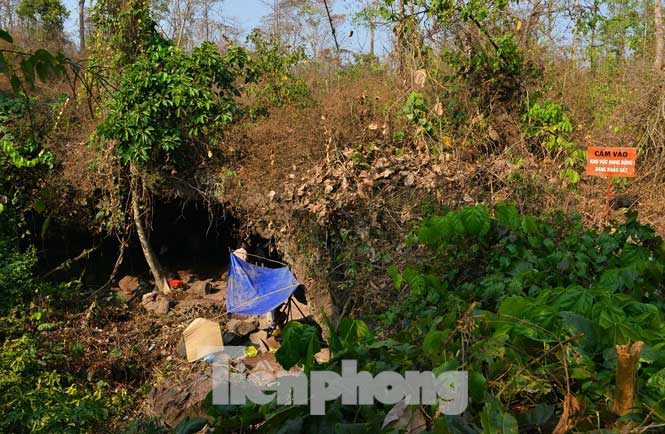
Much hard work still lies ahead in these caves before the archaeological results are announced
Traces of Early Lê dynasty palace unearthed at Hanoi's Imperial Citadel of Thăng Long
A 2017 dig east of Kính Thiên Palace in Hanoi revealed 4.5m of cultural layers and glazed roof tiles from Early Lê dynasty palaces.
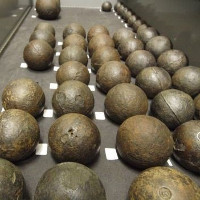
X-rays help scientists save cannonballs from the Mary Rose
Researchers are using powerful X-rays to find a way to preserve cannonballs from the Mary Rose, which corrode when put on display.
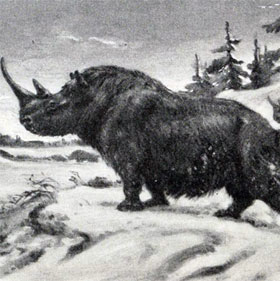
Rhino fossil more than 100,000 years old found in Russia
Russian scientists have unearthed a fossil of the ancient Merck's rhinoceros, which lived about 120,000 years ago in the Ural Mountains.
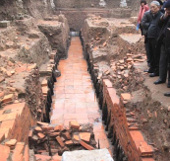
Giant ancient water channel unearthed beneath Vietnam's Imperial Citadel of Thăng Long
Near the Đoan Môn Gate, archaeologists unearthed layered Lý, Trần, Lê and Nguyễn remains, including a giant brick water channel.

Ancient Roman sewer uncovered at Herculaneum reveals clues to daily life
An 86-meter sewer and skeletons found at Herculaneum, Italy, shed light on the diet and daily life of Romans 2,000 years ago.