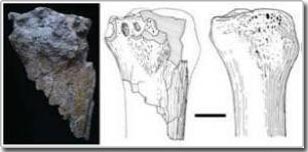
Rhinoceros sinensis fossils found near Rục community in Vietnam
On October 4, Đinh Huy Trí, deputy director of Phong Nha-Kẻ Bàng National Park in central Vietnam, said that two men of the Rục ethnic group from Yên Hợp village, Thượng Hóa commune, in the former Minh Hóa district of the former Quảng Bình province (now Quảng Trị), had found three fossil specimens of a rhinoceros species called Rhinoceros sinensis inside an ancient cave, dating back 30,000 to 50,000 years.
According to Trí, the two Rục men who discovered the Rhinoceros sinensis fossils, Trần Xuân Báo and Trần Xuân Lê, led him to the cave, which is 2 m wide, 15 m high and 20 m long, with a pool of groundwater welling up from below at its far end.
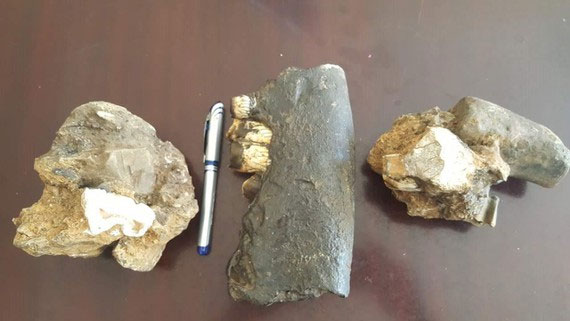
The three rhinoceros fossil specimens recently found in Yên Hợp village, Thượng Hóa, Minh Hóa, Quảng Bình. (Photo: courtesy of Phong Nha-Kẻ Bàng National Park).
The first and second specimens are two large animal teeth, while the third is a section of jawbone bearing four teeth and three empty tooth sockets; the jawbone is black.
After receiving the specimens, Trí asked the Vietnam Archaeological Association in Hà Nội to identify the species and determine the age of the finds.
The association examined them and replied in Document No. 20/CV-KHCHVN, issued in late September 2019 by Associate Professor Nguyễn Lân Cường, its secretary general, confirming that all three specimens collected in Yên Hợp village, Thượng Hóa commune (Minh Hóa, Quảng Bình) are fossil molars of the rhinoceros Rhinoceros sinensis (Owen), which belongs to the rhinoceros family Rhinocerotidae and the order of odd-toed ungulates (Perissodactyla).
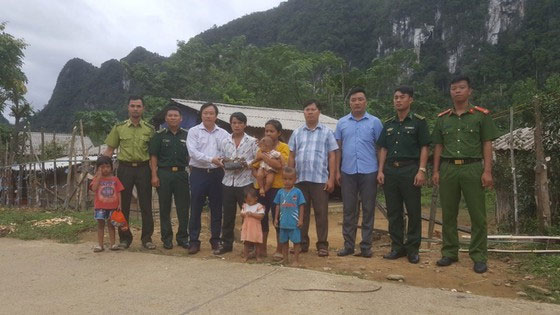
Đinh Huy Trí (in white) receives the fossil rhinoceros jaw from residents of Yên Hợp village. (Photo: courtesy of Phong Nha-Kẻ Bàng National Park).
According to Associate Professor Nguyễn Lân Cường: “This rhinoceros species has been found at Middle and Late Pleistocene sites dating from several hundred thousand to several tens of thousands of years ago, such as Thẩm Khuyên, Thẩm Hai and Kéo Lèng (Lạng Sơn province, northern Vietnam), Hang Hùm (former Yên Bái province, now Lào Cai), Thẩm Ồm (Nghệ An province), Nhẫm Dương (former Hải Dương province, now Hải Phòng city) and many sites of the Hòa Bình (Hoabinhian) culture.
But a jaw section like specimen No. 3 has so far been found only at Kéo Lèng (Lạng Sơn) and Nhẫm Dương (Hải Dương).
That makes Yên Hợp specimen No. 3 extremely valuable. Based on the weight of the fossils and the hardness of the sediment, we believe all three fossils date to between 50,000 and 30,000 years ago.”
According to Trí, the Vietnam Archaeological Association will carry out an archaeological survey of the cave in Yên Hợp in late October 2019. The cave's local name is being withheld to avoid unwanted curiosity and to keep its interior intact.
The cave lies within Phong Nha-Kẻ Bàng National Park.
Prehistoric human remains unearthed in Southeast Asia's largest volcanic cave system
Archaeologists have uncovered dozens of ancient human remains in Vietnam's Chư Bluk volcanic caves, the largest volcanic cave system in Southeast Asia.
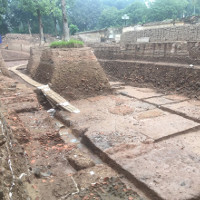
Traces of Early Lê dynasty palace unearthed at Hanoi's Imperial Citadel of Thăng Long
A 2017 dig east of Kính Thiên Palace in Hanoi revealed 4.5m of cultural layers and glazed roof tiles from Early Lê dynasty palaces.
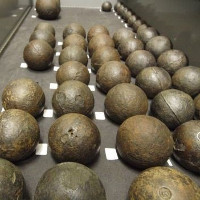
X-rays help scientists save cannonballs from the Mary Rose
Researchers are using powerful X-rays to find a way to preserve cannonballs from the Mary Rose, which corrode when put on display.
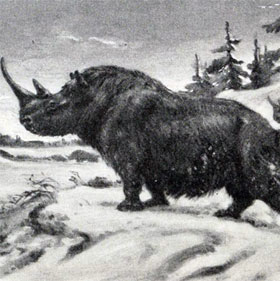
Rhino fossil more than 100,000 years old found in Russia
Russian scientists have unearthed a fossil of the ancient Merck's rhinoceros, which lived about 120,000 years ago in the Ural Mountains.
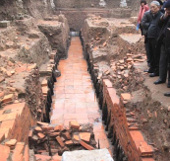
Giant ancient water channel unearthed beneath Vietnam's Imperial Citadel of Thăng Long
Near the Đoan Môn Gate, archaeologists unearthed layered Lý, Trần, Lê and Nguyễn remains, including a giant brick water channel.

Ancient Roman sewer uncovered at Herculaneum reveals clues to daily life
An 86-meter sewer and skeletons found at Herculaneum, Italy, shed light on the diet and daily life of Romans 2,000 years ago.