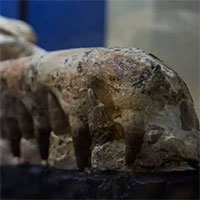
Prehistoric traces uncovered in archaeological dig in Vietnam's Đắk Nông
During an archaeological excavation in Đắk Nông, a former province in Vietnam's Central Highlands that is now part of Lâm Đồng, archaeologists have found many artifacts left by prehistoric people thousands of years ago.
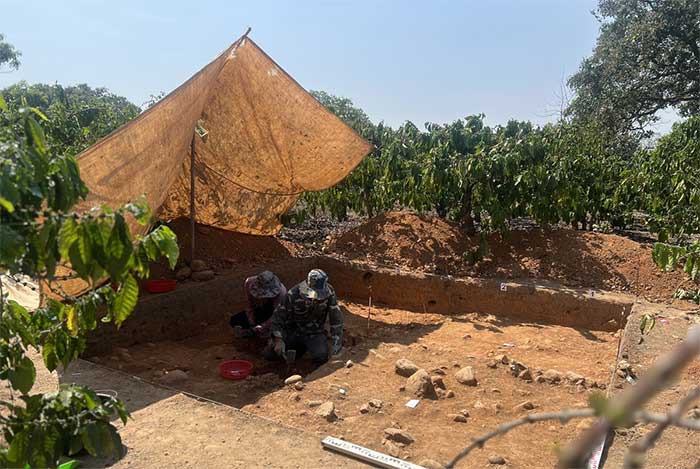
The excavation site in Hamlet 7, Đắk Drô commune (formerly Krông Nô district, in the former Đắk Nông province, now part of Lâm Đồng province in Vietnam's Central Highlands), was discovered in 2022 by a geological survey team led by Dr. La Thế Phúc of the Vietnam Archaeological Association (Hội Khảo cổ học Việt Nam).
There, the team found widely scattered quartz artifacts bearing many hallmarks of the Stone Age.

Following these finds, the Vietnam Archaeological Association sent a report to the Đắk Nông Provincial People's Committee proposing measures to study and excavate the site.
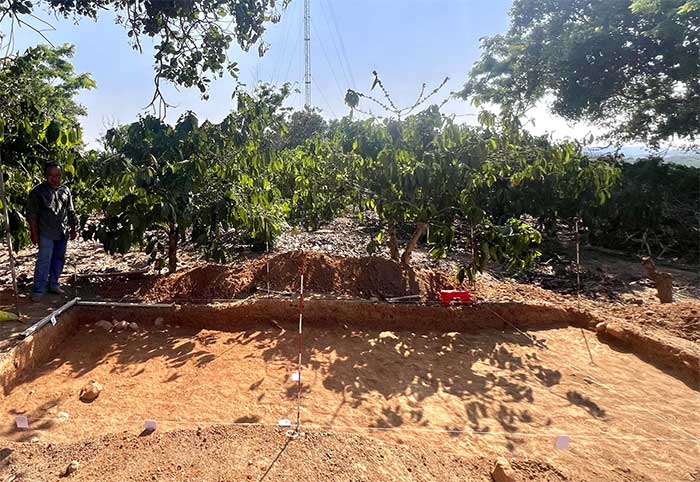
Recently, the Ministry of Culture, Sports and Tourism issued a decision allowing the Đắk Nông Provincial Museum to work with the Institute of Social Sciences of the Central Highlands (Viện Khoa học xã hội vùng Tây Nguyên) to excavate the site.
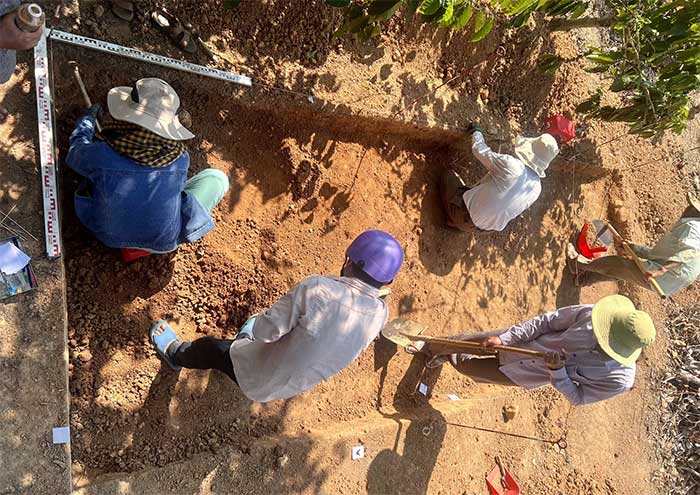
Under the decision, an area of 26 m2 was to be excavated between March 1 and March 26.
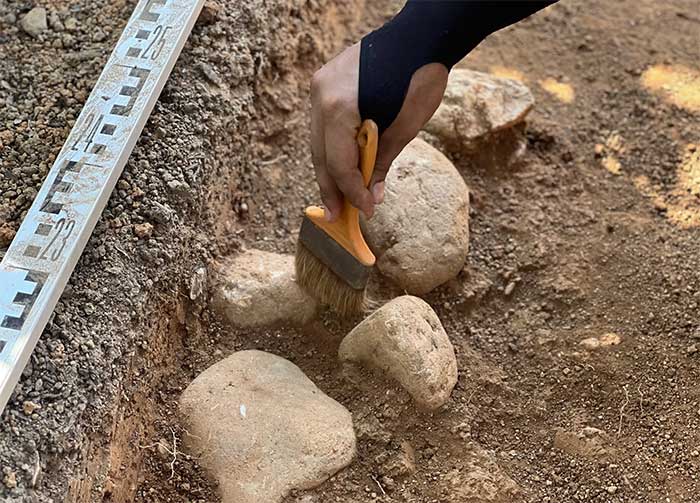
According to Mr. Đức, after many days of digging, the team uncovered numerous prehistoric artifacts.
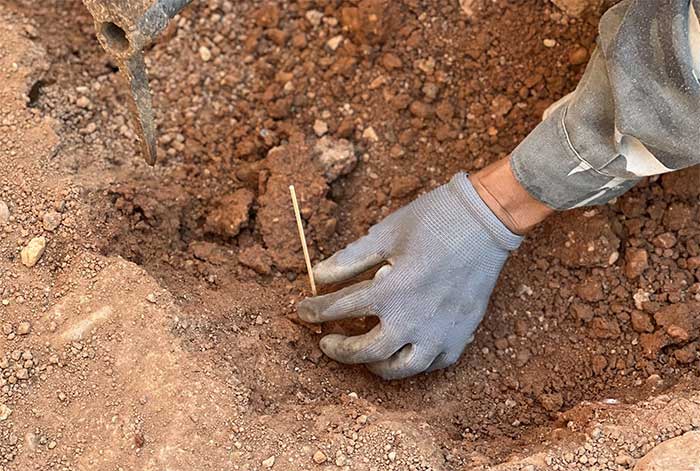
"Based on the artifacts, we can conclude that this is a site representative of a stage of prehistoric development in the Central Highlands," Mr. Đức said.
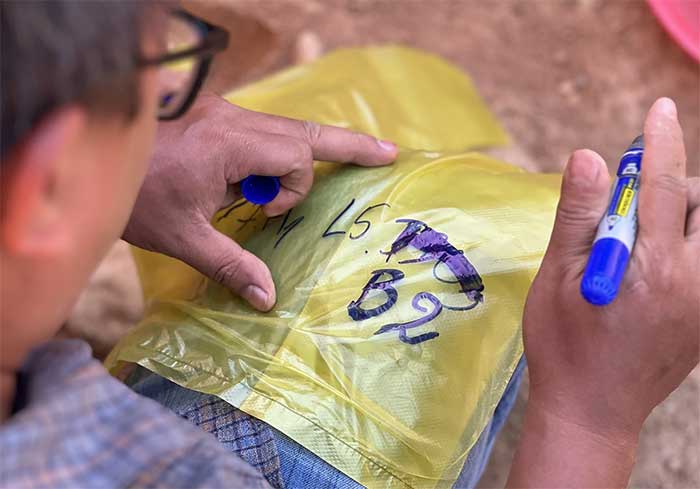
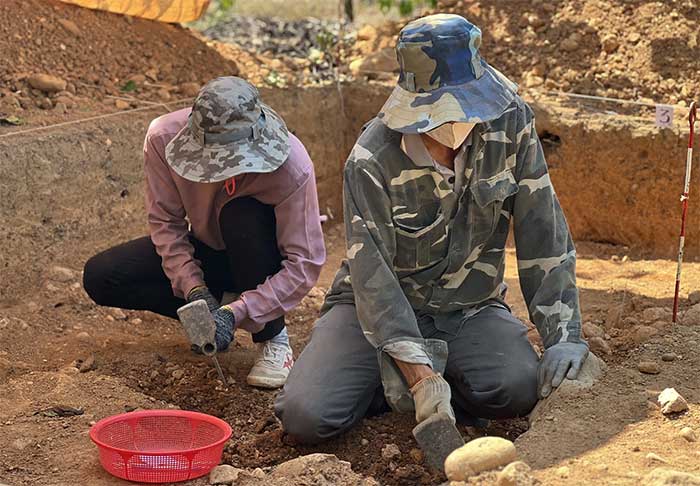
Archaeologists at the site worked with great care. Each area and each artifact bag was labeled in detail.
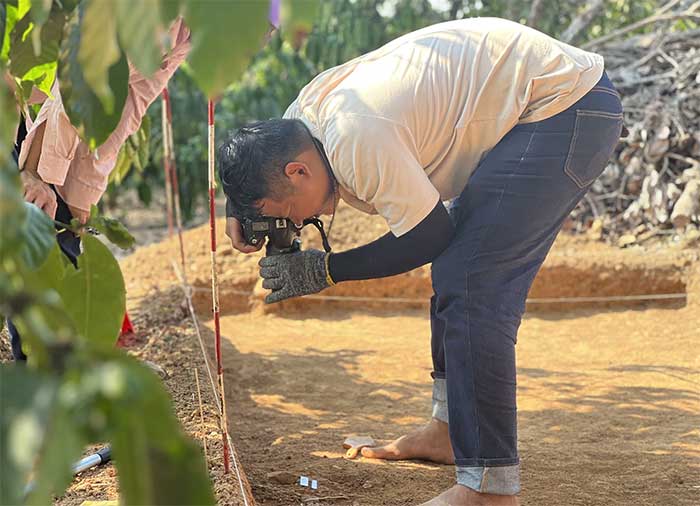
A team member marks and photographs the spots where artifacts were found.
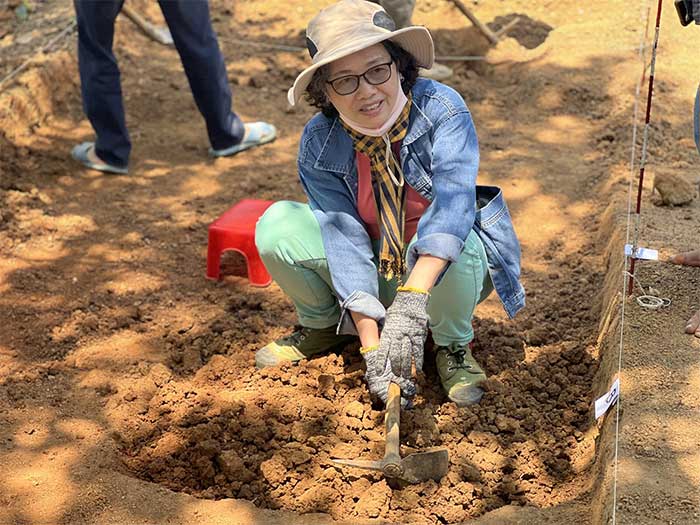
Expert Lương Thị Tuất takes part in the excavation.
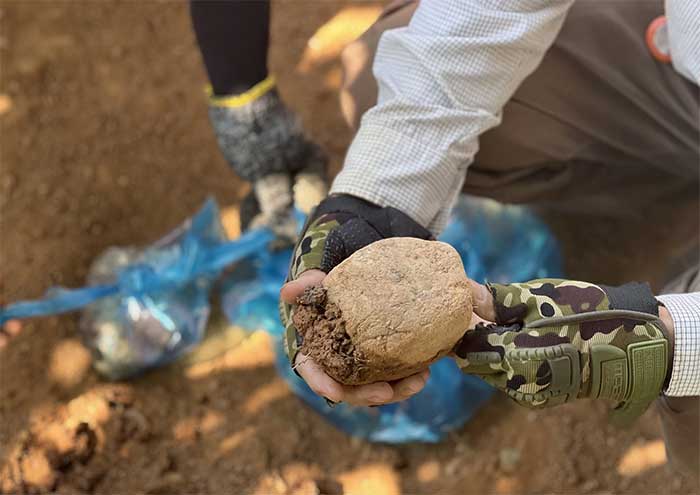
According to Dr. La Thế Phúc, judging by the artifacts recovered, the site may be the oldest in Đắk Nông province.

After searching and sorting, the archaeologists cleaned and catalogued the artifacts.

Rufous-necked hornbill: One of Vietnam's most endangered birds
Listed as Critically Endangered in the Vietnam Red Data Book, this striking hornbill is hunted for meat and losing its primary forest habitat.
Teeth of prehistoric giant ape discovered in Vietnam's Thanh Hóa province
Scientists have found two teeth of the extinct giant ape Gigantopithecus blacki in a cave in Thanh Hóa, the only such Pleistocene specimens in Vietnam.

Wildfires 13,000 years ago drove saber-toothed cats, dire wolves and other species to extinction
Humans and fire drove out prehistoric animals in California 13,000 years ago, a pattern that echoes what is happening today.
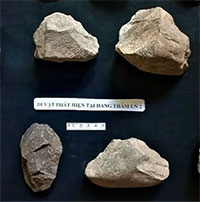
Nearly 200 prehistoric artifacts unearthed in caves in northern Vietnam
Stone tools, bones and pottery up to 10,000 years old were found in caves in the former Bắc Kạn province, now part of Thái Nguyên.
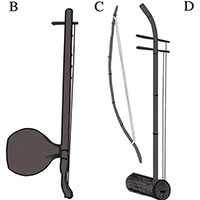
Deer antler found in Vietnam may be a 2,000-year-old musical instrument
A 35-cm antler fragment, likely from a sambar or hog deer, found along the Mekong River may be one of Southeast Asia's oldest stringed instruments.
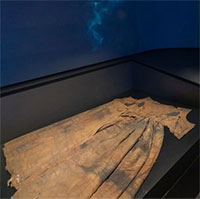
Silver wedding dress found in 17th-century shipwreck
A silver wedding dress embroidered with heart motifs may have belonged to a woman from the very top of 17th-century European society.