Bizarre ancient tomb with stone statues nearly 10m tall in Turkey
The archaeological site of Mount Nemrut is one of Turkey's most famous destinations. Strewn with toppled, broken statues, the mountain has an air of mystery that draws visitors from around the world.
Located in southeastern Turkey, Mount Nemrut rises more than 2,100m above sea level and has become a favorite with travelers. Its summit is crowned by eerie, mysterious colossal statues standing nearly 10m tall. The site was discovered by a German engineer in 1881, and in 1987 the famous archaeological site on Mount Nemrut was designated a UNESCO World Heritage Site.
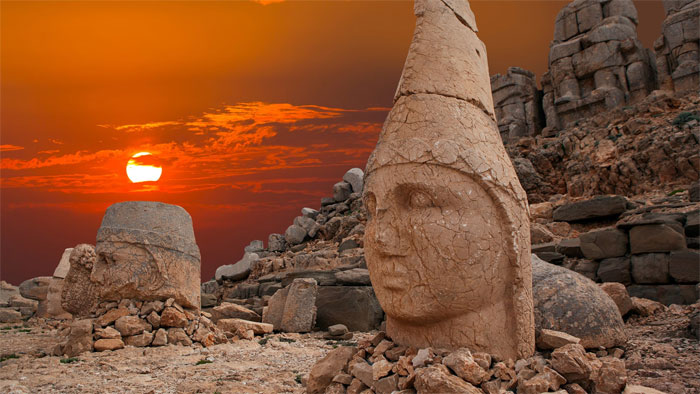
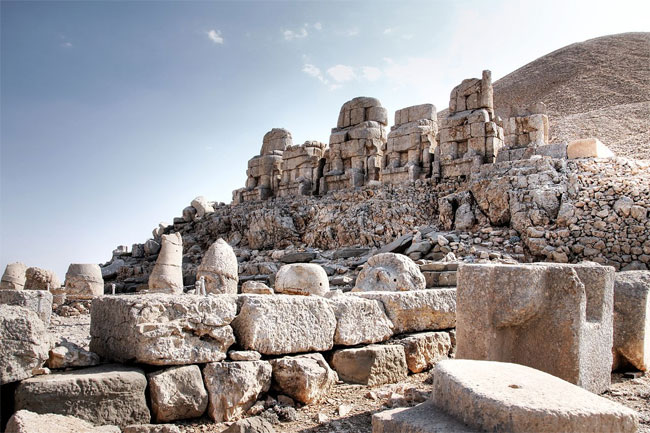
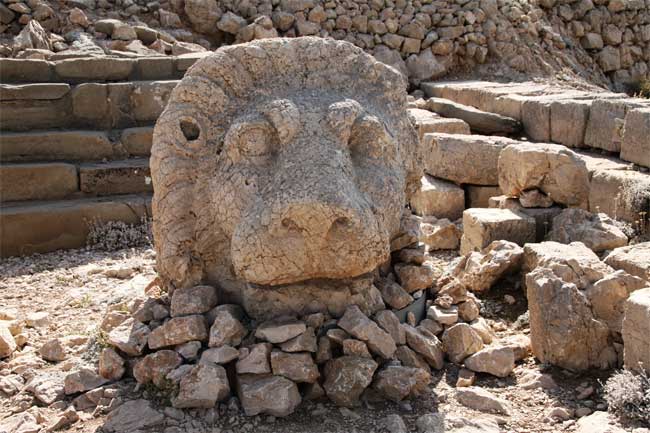
The temple is also the ancient Nemrut Dag tomb.
Many believe the site holds the secrets of an entire ancient culture. Every year it attracts huge numbers of tourists. Adventurous explorers happily climb the winding, twisting stairways and walk long distances to admire this masterpiece.
The temple is also the ancient Nemrut Dag tomb, believed to have been built by King Antiochus I of Commagene, a Hellenistic ruler. He reigned from 69 to 34 BC. The king chose the high mountain as his own burial place, hoping to take his place among the gods. The tomb complex was built from many separate blocks of stone piled high. There are statues of lions and eagles guarding the tomb, of the gods, and of the king himself.
The statues are no longer intact; their heads have fallen to the ground, adding to the site's mystique. Images of the site often appear on postcards and in Turkish tourism advertising, and many visitors enjoy snapping photos at this fascinating destination.
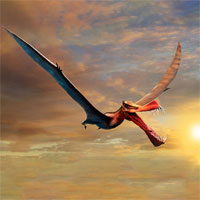
Australia's largest pterosaur discovered, with a wingspan of up to 7 meters
A fossil over 100 million years old from Queensland reveals a new giant pterosaur species with an estimated wingspan of up to 7 m.
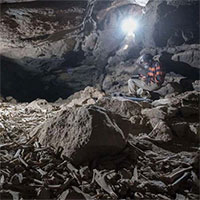
Cave packed with bones hoarded by hyenas for thousands of years, including prehistoric human remains
Researchers believe a huge pile of bones in a Saudi Arabian lava tube was dragged there by striped hyenas over thousands of years.
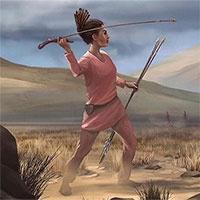
9,000-year-old grave of a young female hunter could rewrite prehistory
A 9,000-year-old grave in Peru holds a woman aged 17-19, buried with the stone tools she carried on her hunts.

Stunning discovery behind secret doors inside Egypt's Great Pyramid
Two secret "doors" inside the Great Pyramid of Giza may conceal a hidden chamber of the pharaoh Khufu, but their true purpose remains a mystery.
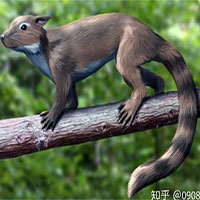
Oldest evidence of mammals feeding on dinosaurs found on Mamenchisaurus fossil
Tooth marks on a 160-million-year-old Mamenchisaurus neck rib from China are the oldest known evidence of mammals feeding on dinosaurs.
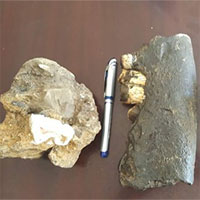
Rhinoceros sinensis fossils found near Rục community in Vietnam
Two Rục men found three Rhinoceros sinensis fossils, 30,000 to 50,000 years old, in a cave in Phong Nha-Kẻ Bàng National Park, Vietnam.